The conditions for a culture
Belonging as a minority in STEM takes more than a seat at the table
October 8, 2026 / Kelly Lau
Since moving to Halifax, my most impactful experience of racism occurred in a genetics lab.
The irony wasn’t lost on me, although the genes under examination were yeast. The task for the first lab of the year was to examine pink and white patches growing on a petri plate for clues about the genetic differences between the yeast strains present.
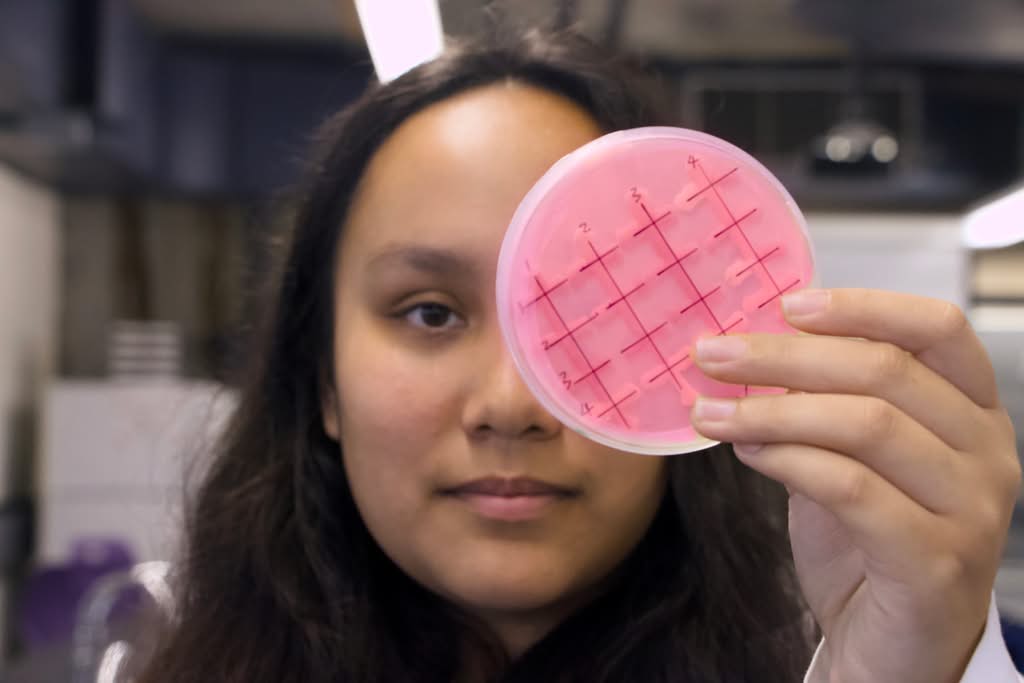
I prepared with Olympic diligence. I took meticulous notes, rehearsed until midnight and did a marathon of questions. I had completed my first year of study in the intensive and research-focused Integrated Sciences Program at Dalhousie University and was familiar with the terrain of a lab.
Despite this, nothing could have prepared me for the race I was entering.
As we started on the lab assignment, my answers didn’t gain any traction. Group members who admitted that they did not prepare for the lab breezed past my explanations and had little resistance to each other’s guesses. As I explained my logic, I couldn’t get around the hurdle between my answers and their belief in them.
My labmates wouldn’t accept the answers coming from my lips as valid. Instead, they went to the instructor in the room, only for the same answers to be spoon-fed back to them.
I was struck by how their perception of me was so dissonant from how I saw myself; between the competence I felt and the credibility I was afforded.
Even though my rigorous preparation should have given me a head start, I was left erasing and correcting the shared worksheet while the rest of the group moved on.
I was the one left trying to catch up.
This moment was particularly poignant. It wasn’t as blatant as hearing slurs while going to the bathroom in residence, or dodging the “No, but where are you really from?” comments between classes.
Yet it hit me so much harder.
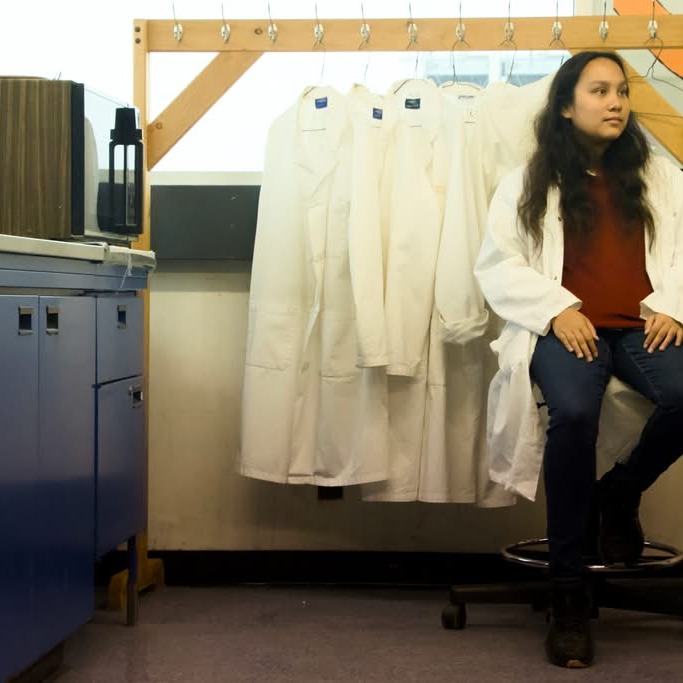
I took a seat at the elusive table of academia by clicking on the option for BSc on Dal Online. Yet just because I had a seat at the table — or rather the lab bench — it didn’t mean people would listen to what I said about the petri plate in front of me.
Later in the genetics course, we discussed how much DNA humans share. The answer: 99.9 per cent.
I struggled to reconcile that similarity with the distance created at the lab bench due to the 0.1 per cent difference, or that others’ views about my culture could dictate the perceived validity of my interpretation of the culture on the plate in front of me.
When I thought about the conditions that a strain of yeast needs to grow, I realized that, although the lab coat allowed me into the room, I needed different conditions to grow within science.
I found those conditions within the Dalhousie Science Scholars and Leaders Program. The co-curricular and academic program, run by Joseph Bielawski, gives support to underrepresented STEM students by offering structured professional development and academic support.
We unpacked the hidden curriculum within STEM — the unwritten expectations, unfamiliar pathways and the uncomfortable assumptions that shaped my earlier lab experience.
After my first year, I could handle a pipette, I knew an ungodly amount about rocks and I could write a mean research paper — but I felt unfulfilled.
What I needed to do to perform well on my next exam was clear, but what I wanted to do with the skills I was building was murky. My passion wasn’t in peptides (the building blocks of amino acids I studied in my first year), and as I looked at the reality of research, I struggled to find value in a field that seemed so distant.
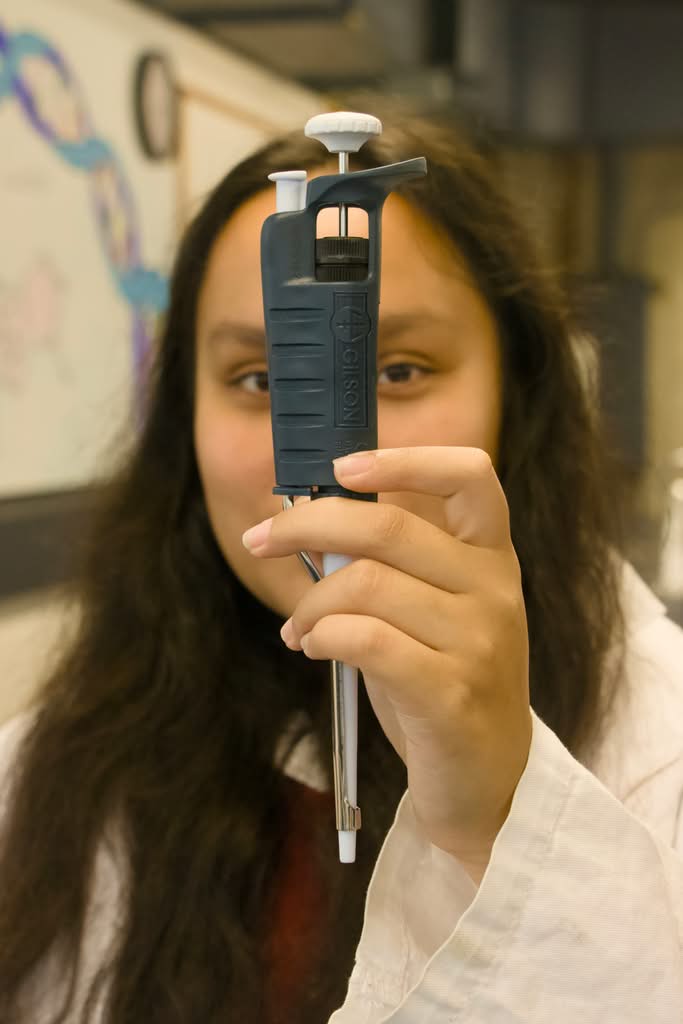
Participating in the Science Scholars and Leaders Program’s first-year interest group nurtured my growth by introducing me to a community of underrepresented science students. Its structured second-year course, BIOL2111: Becoming a Scientist I, let me move beyond finding the distribution of a mean and into what knowledge means beyond the classroom — the obligations of practicing science and the ways our work can serve our communities.
One of my favourite classes took place at the end of the first semester. The professor wheeled in a cart carrying a Crock-Pot of chilli, and we discussed the science outreach projects we were engaging in over the next semester.
As I loaded up a plate, I thought about the petri plate that I held at the beginning of the term and the bitter taste it left.
This plate was so much warmer. It held food and promises of plans for the future, reminiscent of the plates I held with my own family back home.
Here, we cultivated a different kind of culture in science — one where I proliferated.
Connections with current students and alumni helped me imagine myself taking on different roles. Following that year, I filled my personal plate with purpose and new opportunities.
I became an executive in the Dalhousie Science Scholars and Leaders Society, spent the summer as an intern for Chairs for Inclusion in Science and Engineering Atlantic and joined the third tier of Student Leadership Academy. With encouragement from the genetics teaching team and newfound confidence, I worked alongside other students to present the lab’s cumulative findings to the rest of the course.
Behind these steps were conversations, advice and people who helped me see these roles as something I could reach for. The program fostered an environment where we could do more than just fight for seats at a table, but also question how the table was set.
We thought about how to challenge how science was structured and communicated. From these conversations, I started the Humanity Behind the Sciences Society. In it, I interviewed professors while dissecting their stories and how their identities shape their work. Platforming their pathways and passions, rather than their publications, expanded my perceptions and let me share a different view of scientists with others.
That interest in narrative led me to Science in the Margins, a professional development program I’m developing with the support of the Canadian Centre for Diversity and Inclusion and the Student Leadership Academy.
By reflecting on the stories we tell about and within science, undergraduate science students can examine the assumptions shaping their practice and communication to understand how their work can better support marginalized communities. The mentorship and training I have received has become something I want to extend to others: an invitation to examine the table and a chance to rearrange it.
Almost exactly one year after my first genetics lab, I returned to that very same lab bench that started it all. This time, I returned as part of the genetics tutorial teaching team, encouraged by the staff to envision myself in the role after earning the top grade in the course.
In the same spot where I initially questioned my place in science, I was now encouraged and supported by the genetics teaching staff to help shape students’ experiences. Where I once struggled to have my explanations be heard, students look to me for answers and guidance.
The question that followed me after looking at that first petri plate remains: what conditions allow for growth?
Yet now I have a part in creating the culture of science and ensuring that students like me are in the right environment to grow and thrive.

Read more from the gazette
The AUS to ACAA pipeline
Chartwells manages half of SUB food vendors after Abstract takeover
Africville tribute on display at Nocturne

Tigers defeat Moncton 3-2 in a dramatic overtime finish
The Gleeboot could save lives