
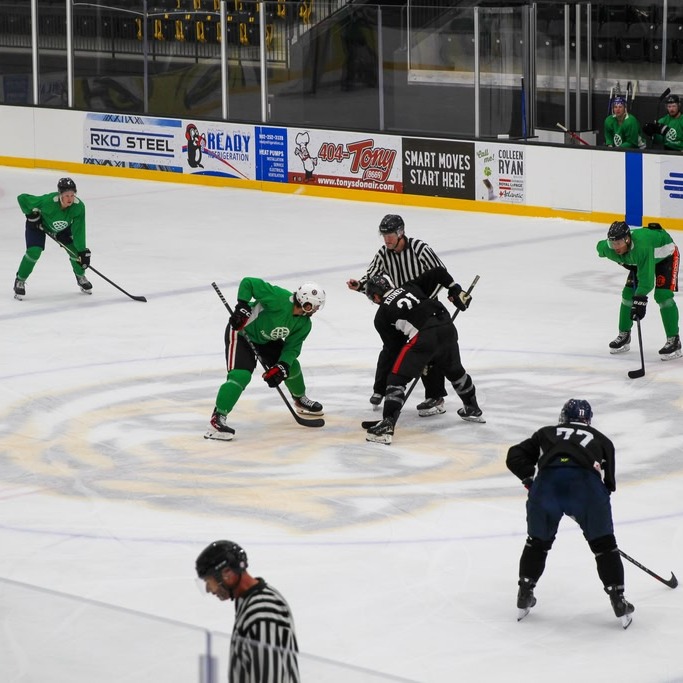
Tigers athlete looks forward to hitting the ice after his sixth concussion
Ben Bujold has been held off the ice due to repeated head injuries
November 19, 2026 / Dylan Buckman, Nora Blinn
Ben Bujold, a forward for the Dalhousie University Tigers men’s hockey team, has played hockey since he was four years old. He hopes to continue to play for as long as possible, but repeatedly sustained head injuries have kept him away from the game he loves.
Six concussions, to be precise.
His first concussion occurred in a centre-ice hit when he was 17 years old and playing for the London Knights in the Ontario Hockey League, taking him off the ice for over a month.
“I was out for a month and a week there, and just the best way to describe it is low battery. You just feel slow,” says Bujold.
Bujold says concussions can make everyday experiences feel difficult.
“The noises are louder than usual, the lights are brighter than usual,” says Bujold. “You just don’t feel normal.”
He missed the entirety of the 2024-25 season, his last in the major junior leagues, due to a concussion.
“I wasn’t a hockey player for that year,” says Bujold. “I didn’t know what my identity was.”
Over a year after his final OHL game, he debuted for the Tigers on Oct. 3, 2025. Bujold scored five goals and nine points in 13 games that season, but he has yet to make his season debut this year due to another concussion that he suffered off the ice this past summer.
The team’s head coach, Jon Greenwood, says he has emphasized the importance of being fully healthy before returning to hockey.
“There’s no question Ben wants to play,” says Greenwood. “He loves the game and wants to contribute to help his teammates and help our team.”
Greenwood — who has worked with several hockey organizations, including the Saint Mary’s University Huskies and Halifax Mooseheads — has witnessed plenty of concussions from behind the bench.
“If you pull your hamstring, chances are that’s not going to be bothering you in 10 or 15 years from now,” he says. “But with the head injuries, you never know.”
In a report by Active and Safe, head injuries account for 14 to 28 per cent of all injuries at the junior/collegiate level.
The report also says that, for prevention measures, some Canadian youth hockey leagues have banned the use of body checking at hockey games. They say this has reduced concussion risks by 67 per cent.
Greenwood says attitudes toward concussions have shifted throughout his career, as both athletes and coaches have become more educated on the long-term impacts of head injuries.
“We’re just so much more educated now on our bodies, especially with the head and brain injuries,” he says.
For the Tigers, a doctor and physiotherapist are on site during their hockey games to ensure players are taken care of.
Dr. Mark Stender, a physician at Dalhousie, is at every home game and monitors the athletes for injuries in real time.
Bujold remains focused on his recovery. He says that patience is the most important role, and encourages others who are dealing with concussions to avoid rushing the process.
“It’s obviously a tough injury, and you’re going to think negatively a lot — that’s one of the symptoms,” says Bujold. “Just noticing that it’s a symptom and trying not to let it take over is a big part.”

Read more from the gazette

$400K settlement reached in lawsuit alleging Dal profs conducted medical study on First Nation members without consent

The Dal review: Clayface and Pulse film reviews

Finance minister touts new federal budget in Halifax

Hundreds protest against Cape Breton AI data centre in Halifax
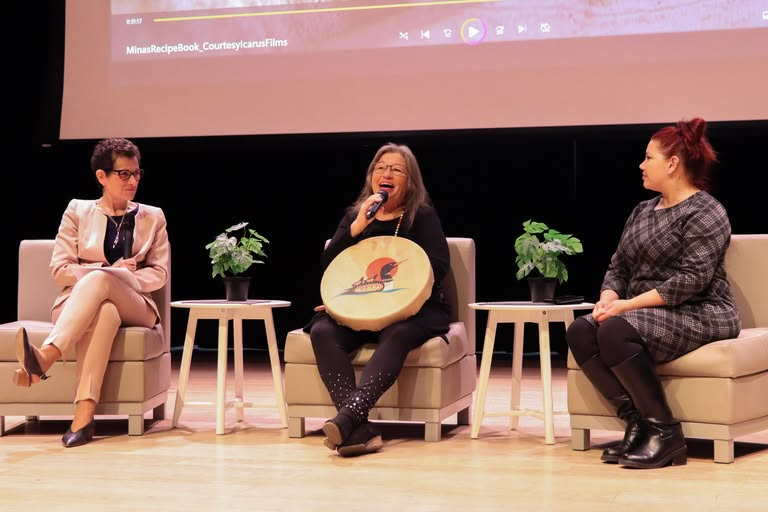
Local university series fostered Jewish and Indigenous conversation and connections