
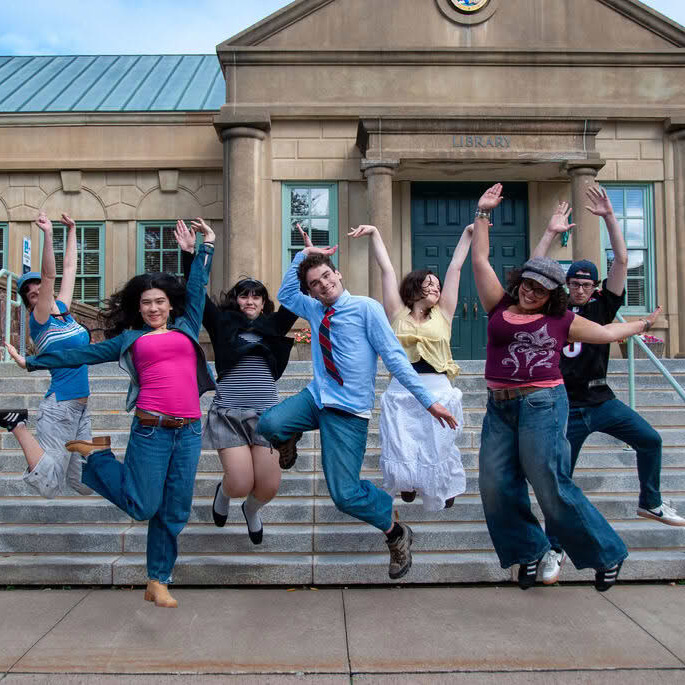
The Gleeboot could save lives
We’re really excited to take a break from angsty teen shows
October 8, 2026 / Grace Kim, Hailey Jackson
Few shows are as joyfully weird as Glee.
The show, about a misfit high school choir, dedicated a whole episode to a grilled cheese sandwich that vaguely resembled Jesus Christ. In another episode, a cheerleader co-hosts a talk show with an ecstasy-addicted cat. There was even an episode where a gas leak in the choir room causes a student to hallucinate his classmates as puppets.
Real generation-defining stuff, and if we’re lucky, it’ll be back on our screens soon enough.
Ryan Murphy, Glee’s showrunner, recently announced that he and the other two original creators had a finished script for the iconic show’s long-awaited reboot.
Although no studio is currently attached to the project, Murphy told Entertainment Tonight he’s reached out to many original cast members and is waiting to see what comes next.
Hopefully, for all our sakes, the reboot will provide some respite from the current trend of angsty, dark and depressing teen shows.
Lately, it feels like every new teen show is the same. They centre danger, sex, drugs, tragedy and prioritize shock value disguised as “gritty realism.” Shows like Euphoria and Ginny & Georgia push the idea that struggle is all your teen years have to offer.
Euphoria, which follows its teen protagonist’s spiral of addiction and mental illness until she dies from an overdose, is undeniably shocking. Euphoria’s teens have public sex in swimming pools and die drugged in a hole eaten by a snake. It’s bleak, and you can’t look away.
The show beats its characters down again and again, with no passion or hope for the future. It’s an extreme kind of torture porn and a grim lens on what adolescence can be.
On the other end of the spectrum, Ginny & Georgia’s take on a troubled teen attempts to evoke Euphoria’s pity, but is so out of touch with reality that its darkest moments come across as cartoonish and laughable.
The protagonist’s salute and slow-motion walk away from the boy she had sex with while he was in a relationship, or the time she blackmailed her neighbour to get her mother out of jail, are moments the show takes 100 per cent seriously. Yet they elicit a cringe (at best) and a laugh (at worst) from its viewers.
Some teens are on drugs. Some teens have casual and random sex, constantly. Some teens are really, truly struggling. Glee didn’t shy away from that. Instead, it handled it with self-effacing playfulness and choreographed choir numbers.
When we see adolescence portrayed as depressive on TV, we perceive it as that way in real life. It encourages a relentless cycle of despair, a self-fulfilling prophecy where high school is prescriptively tragic.
Glee was truly for teens. It was fun, silly, self-aware and took their dreams seriously. Rachel’s ego being the size of New York or Mercedes’ flair for the dramatics weren’t just quirky side traits; they were necessary steps embedded in the process of chasing success.
The show established that teenagers could be weird, ambitious and highly unlikable, but they were always passionate and ready to face the world’s challenges.
Yes, life can suck, but you aren’t limited to your adolescent misery. With friendship and a beautiful cover of “Cough Syrup,” Glee showed teenagers that this too shall pass.
Shows like Euphoria and Ginny & Georgia prioritize shock value and anguish over stories of true perseverance and hope. There’s a difference between a constant state of struggle and a pocket of hormonal turbulence. That’s what Glee understood.
If done right, the Glee reboot, or Gleeboot, could be generational and, more importantly, necessary. Adolescents deserve an optimistic look at what their lives can be. Messy, funny, creative, uncomfortable and deeply joyous.
So, Ryan Murphy, don’t mess this up. The kids need Glee.

Read more from the gazette
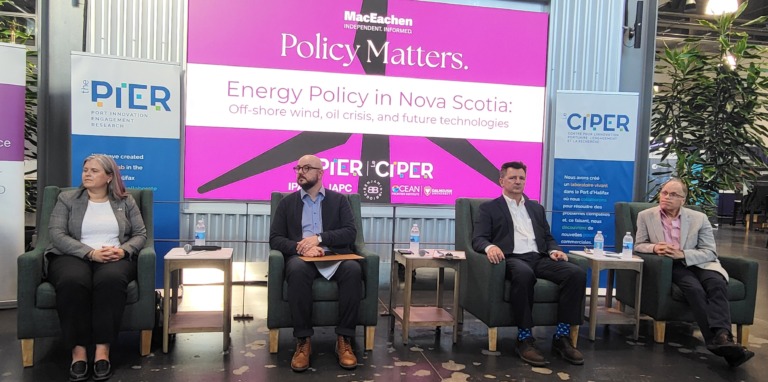
Dal’s MacEachen Institute restarts talk series with talk on energy future
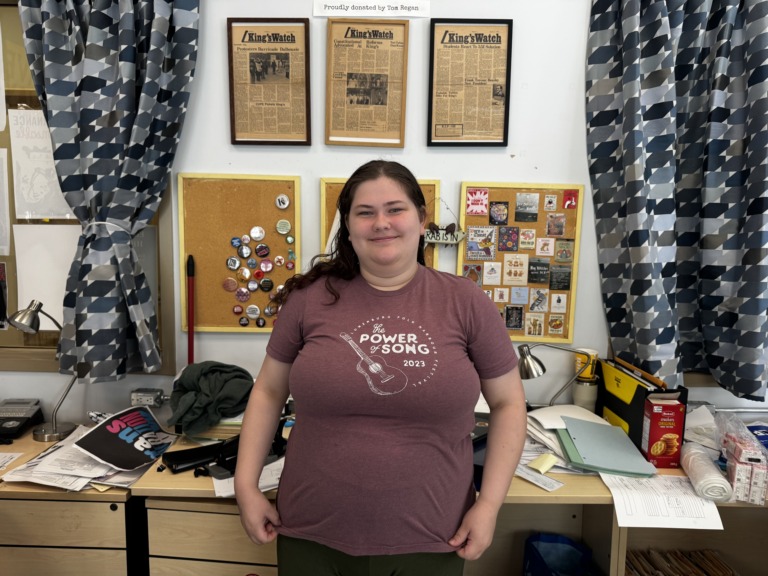
KSU finance VP steps in as interim president, won’t run in fall by-election
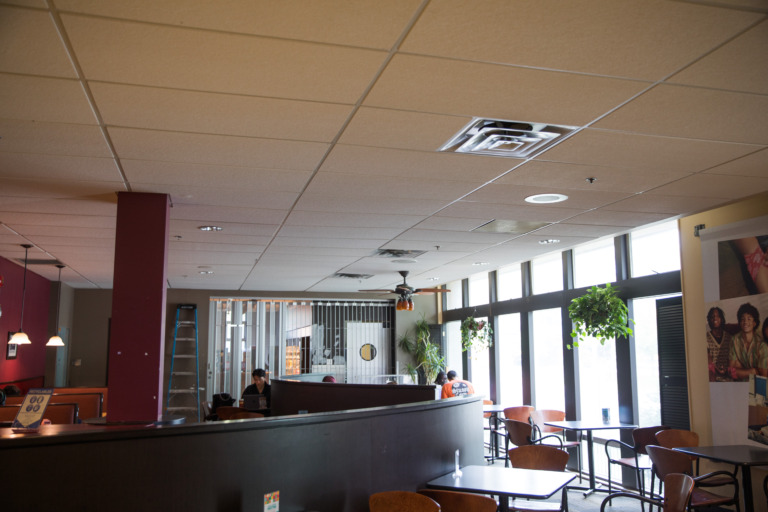
DSU to spend $250K renovating first-floor SUB room
Dal Mawio’mi celebrates Mi’kmaw and Indigenous culture on campus
Magnetic World attendees report long lines, safety concerns