
Women deserve to feel safe in their universities
Administrations need to stand with victims instead of alleged rapists
October 22, 2026 / Mariana Luz
Editor’s note: This story includes mentions of rape and sexual assault.
When I was 15, I was sexually assaulted. I didn’t tell anyone until I was 19. I know my experience is shared by millions of women worldwide.
We live in a world where most women have either experienced some type of sexual violence or know someone who has. In 2023, the World Health Organization estimated that about one in three women have experienced sexual violence against them.
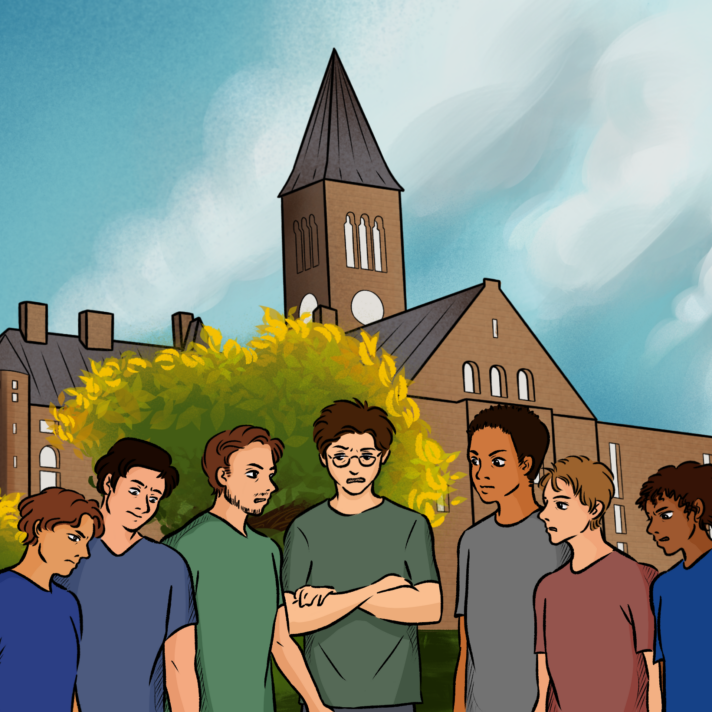
When at least seven men at Cornell University allegedly raped a fellow student for hours, and the alleged rapists continue to live their lives relatively unpunished, it hurts women everywhere.
Far too often we hear about women who experience extreme violence just so a man can have a few moments of pleasure. This fear of violence transcends private spaces, and many women are acutely aware they might not make it home safely after a night out.
A 2019 study found that 71 per cent of post-secondary students in Canada have witnessed or experienced unwanted sexual behaviour in a post-secondary setting, which includes off-campus settings that involve students. The same study found that in the year previous to the report, one in 10 women in Canadian post-secondary institutions experienced sexual assault, or about 110,000 women..
Universities are supposed to be a safe learning environment for all students. Still, in post-secondary spaces where there’s a culture of toxic masculinity and a dangerous glorification of sex — like fraternities — it can make female students feel scared to enjoy university life.
Researchers from the University of Michigan found that fraternities tend to create a culture that endorses violence against women. While there are seven fraternities in Halifax, none are officially affiliated with Dalhousie University — but that doesn’t mean these organizations aren’t part of our post-secondary setting.
From the first week of university, women are warned to be careful about their safety at frat parties and are often advised to watch over their drinks and to never go alone or without a friend.
Fraternities are dangerous to women in the community and cannot continue to exist the way they do. It cannot be normal for environments that are supposed to be a fun part of university life to require women to constantly stay vigilant because they can’t trust their fellow students.
I understand fraternities have a long history, important alumni and engage in philanthropic work, but I don’t believe student life will ever truly be a safe experience for women if spaces that students attend continue to foster rape culture and violence.
While Dalhousie and many other post-secondary institutions have implemented a sexualized violence policy, these policies aren’t always effective in reality.
At Dalhousie, an affected individual can report disclosing the incident. If a report is made, the case then goes through an investigative or non-investigative process stream depending on which pathway the sexualized violence advisor deems necessary. The policy applies to all members of the school.
The main flaw with this policy is that it relies on taking action after sexual violence has already happened, and often victims don’t report when they are sexually assaulted. A 2019 Statistics Canada report found that less than one in 10 post-secondary students report sexually violent crimes to university staff.
In the rare cases where it is reported, victims are often confronted with judgment and a drawn-out, traumatizing process where, in the end, most perpetrators face no justice.
While two of the alleged rapists have been expelled and another two were suspended from Cornell, the others were given lighter punishments, including the option to write an essay to mitigate temporary suspension from the university.
When universities like Cornell allow for alleged rapists to write an essay as punishment, they are telling them the institution will protect them.
Universities, including Dalhousie, need to update their sexual violence policies to create a safe environment for all students, and that starts with greater prevention measures.
Instead of taking action when the university receives a report, they should increase the focus on sexual health and safety education for all students and staff, and make it mandatory to do workshops or training about sexual violence.
More than that, Dalhousie needs to put a focus on regulating spaces which promote violence against women, like fraternities. This can look like regular and mandatory meetings with its sexual violence advisor for fraternities and sororities to talk about consent and sexual assault.
Talking about women’s sexual safety cannot only start when something happens. Universities need to take a stand and support women’s safety before major instances of sexual violence even begin. People who rape and sexually assault others need to face real consequences that are going to impact their lives.
If you or someone you know has faced any type of sexual violence, you can contact Lyndsay Anderson, Dal’s sexualized violence advisor, at lyndsay.anderson@dal.ca, or Maggie Ombayo, the University of King’s College’s sexual health and safety officer, at maggie.ombayo@ukings.ca.
It’s never too late to take action.

Read more from the gazette

The funding is lost, but the story goes on

Q&A with a member of the Gin and Jazz trio

“The quality is already suffering:” Dal makes all faculties and units cut 6.3% of spending
Could there be affordable housing hidden in Halifax? This group thinks so

Phoebe Bridgers wants you to be in the moment