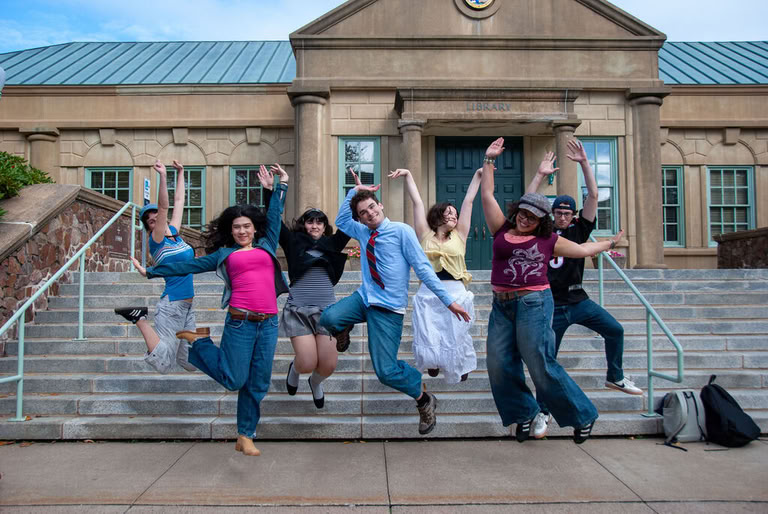

To twerk or not to twerk
A topic of great importance is emerging in the discourse and criticism that surround the arts
September 27, 2013 / Dalhousie Gazette Staff
 In case you haven’t noticed, a topic of great importance is emerging in the discourse and criticism that surround the arts. That would be the way in which artists, often those from privileged/white culture, habitually appropriate from other, less privileged (often minority) cultures. Criticism of this common phenomenon is definitely a good thing; it’s a step towards undermining the larger problem of systemic racism in Western society.
A popular example of cultural appropriation is Miley Cyrus’ recent, highly criticized music video and performance of “We Can’t Stop,” which has added to the popularization of the dance move known as ‘twerking’. Although twerking has only recently become a blip on the radar of mainstream pop culture, it has been a popular dance move for women of colour for much longer.
Synonymous with the African dance known as mapouka, twerking is thought, according to Norimitsu Onishi of the New York Times, to have descended from a “far tamer, traditional dance in the [Ivory Coast’s] coastal regions.”
Cyrus’s use of this dance move, then, is obviously problematic. Cyrus is using a culturally significant, nuanced practice for her own profit. Cyrus pushes this problem even farther, too, by having all of her backup dancers in the music video be women of colour.
Dodai Steward of Jezebel.com poignantly suggests that Cyrus “is very privileged to be able to play dress up and adorn herself with the trappings of an oppressed/minority culture. She can play at blackness without being burdened by the reality of it.”
While one can probably assume that Cyrus was unaware of the offensive nature of her video and performance, it is still hugely problematic. Such appropriation can be found all over pop culture and the arts, and it is definitely not new. Remember Gwen Stefani and her Harajuku Girls?
The good news is that cultural appropriation is now being talked about on a large scale. Things are improving in the world of fashion: in 2010, the Hudson’s Bay Company did not get away with selling knock-off Cowichan sweaters as official Olympic merchandise, just as Urban Outfitters did not get away with selling their “Navajo Hipster Panty” in 2012.
While things might be improving in that we are now aware of cultural appropriation, it is clearly part of a larger struggle—the ever-present systemic oppression of any and all persons who are not middle-class white males. By staying informed about these issues, however, perhaps we can move things in the right direction. Even if you do not feel that this issue directly affects you, remember—as the now popular phrase says—to “check your privilege.”

Read more from the gazette
Halifax’s thedottedline is here to finish what Kendrick Lamar started
The AUS to ACAA pipeline

Chartwells manages half of SUB food vendors after Abstract takeover

Africville tribute on display at Nocturne

Tigers defeat Moncton 3-2 in a dramatic overtime finish