
Ecojustice for Halifax
Litigators for the Earth, they have big plans for the Maritimes
October 22, 2018 / Kristen Tymoshuk
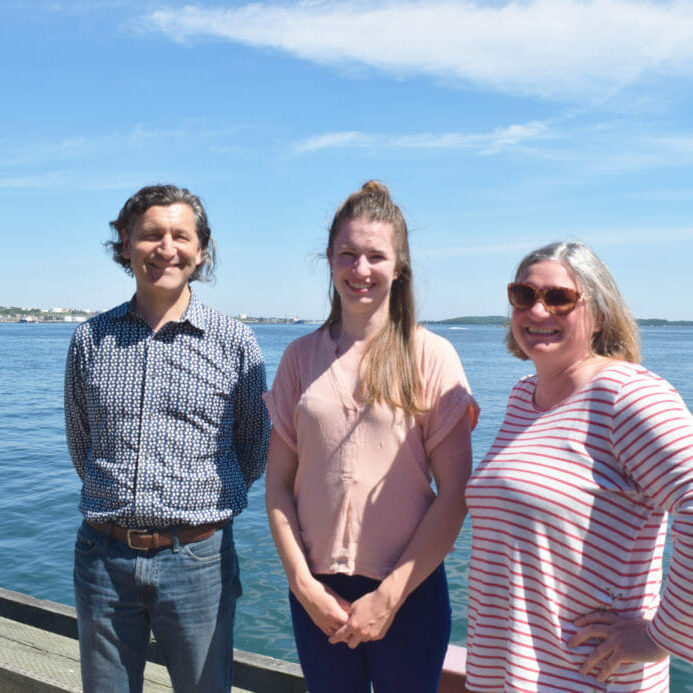
Meet Ecojustice – Halifax’s newest legal advocates. Who do they advocate for? Planet Earth.
Funded solely by donors, Ecojustice is Canada’s largest environmental law charity. Environmental law is a branch of law that regulates activities with the potential to impact the environment. Whether that means fighting for endangered species protection or challenging harmful government decisions, environmental law covers it all.
Free legal support for environment
Ecojustice fits into this field by providing legal support for environmental organizations across Canada, free of charge. Ecojustice’s main office is located in Vancouver, with other locations in Calgary, Toronto and Ottawa.
In July 2018 it opened a new office in Halifax, bringing its total number of offices up to five and increasing its impact coast-to-coast.
“We looked at various options for an additional office and landed on Halifax because there’s a lot of environmental issues to be addressed and there’s a pretty strong environmental community in Halifax and Nova Scotia,” said Sarah MacDonald, one of the environmental lawyers at the Halifax office. “That really helps us because we have people to collaborate with who know the issues inside and out and can help us build cases and get going.”
A Dalhousie University environmental law graduate, MacDonald went to Dal with the intent of working in social or environmental justice. After her second year at Dal, she got a summer position with Ecojustice and realized she wanted to pursue a career in law.
In the past, Ecojustice has addressed some cases in Nova Scotia, such as the Harrietsfield contaminated water case. Residents of Harrietsfield didn’t have access to clean drinking water for more than a decade: their wells were contaminated by toxic chemicals leaching from a former construction and demolition site.
That’s where Ecojustice stepped in.
“The environmental minister issued an order requiring the companies that ran the site to clean it up, but the companies appealed the order. Ecojustice intervened on behalf of the community members to try to get the order upheld,” said MacDonald. “The order was upheld in the end, although the site has not been cleaned up because the companies do not have the money to do so, so that’s still an ongoing issue for the community.”
MacDonald also broke down some of the key issues they plan to address through the new office.
Future ecojustice
Faulty endangered species protection is a central focus.
“It’s [no] secret that the Department of Lands and Forestry hasn’t been properly implementing the Endangered Species Act,” said MacDonald.
Regulating offshore drilling is another focal point in the Atlantic provinces. Newfoundland and Labrador is especially interested in expanding its offshore oil and gas sector. BP has proposed to conduct an exploratory drilling program off the coast of Newfoundland that would begin in 2020 if the project is approved by the Canadian Environmental Assessment Registry.
Working against the oil and gas sector will also tie in closely to the fight against climate change. Ecojustice hopes litigation against the government and oil and gas companies will get national leaders to do something to properly mitigate climate change.
“Ecojustice is very interested in bringing a lawsuit that could have a national impact rather than something that would just impact Nova Scotia,” said MacDonald. “We want to see politicians held accountable for their failure to properly regulate greenhouse gas emissions and encouraging completely irresponsible growth of the oil and gas sector.”
For students interested in pursuing environmental law or other environmental issues, MacDonald had some advice.
“One thing a lot of environmental organizations look for when they’re hiring is a demonstrated interest and commitment to environmental issues.”
Organizations like Ecojustice love to see students that have experience volunteering in the environmental sector, she said. What matters to these employers is passion and dedication.
“They want to know that people will stick around and put all of themselves into the work, because that’s what’s important to these organizations.”
MacDonald said Ecojustice is excited by the possibilities in Halifax. She would love to make connections with local environmental organizations or student groups to discuss the issues they’re facing.

Read more from the gazette

The Dal review: Clayface and Pulse film reviews

Finance minister touts new federal budget in Halifax

Hundreds protest against Cape Breton AI data centre in Halifax

Local university series fostered Jewish and Indigenous conversation and connections

Dal Student Life hosts not-so-haunted campus tour