

Canada’s Medical Assistance in Dying (MAID) program is becoming more appealing to the poor
Everyone deserves end-of-life care
February 28, 2025 / Kaylyn Heine
In 2016, legislation was passed legalizing Medical Assistance in Dying (MAID) in Canada for qualifying individuals.The purpose of the law is to provide autonomy and choice to Canadians. On paper, MAID appears to be a compassionate program that aims to minimize suffering, but in reality, it could quickly turn sinister.
The cost of living in Canada is increasing, which disproportionately affects people with lower incomes. This means that the gap between the rich and the poor is growing. At the same time, the Canadian population is aging, with the number of citizens over the age of 85 doubling between the years of 2021 and 2022.
Quality of life has been commodified
Access to long-term care services and end-of-life care in Canada is not equitable and is dependent on your economic position. Nursing home costs in Canada differ greatly depending on the quality of care. A bed in a ward setting is significantly cheaper than a private room. Paying more money directly results in better care. This means that low-income individuals may not be able to afford care, and if they can, the quality of their care will likely differ greatly from a wealthy individual with a similar diagnosis and prognosis. Quality of life in Canada has been commodified; it is not guaranteed and must be purchased. This is problematic on its own, but becomes even worse with the introduction of MAID.
If quality of care has to be purchased, then only the rich will be able to afford to age and die in comfort. Dying with Dignity Canada claims that Canada is not targeting the poor with MAID, citing that individuals must not make the choice because of external pressures and
must be provided with information about all of their options, including palliative care. This does not account for the differences in the quality of privatized vs. public care and the inaccessibilty of palliative care for certain populations. People experiencing homelessness, for example, face barriers to palliative care and wait longer to be discharged from hospitals to an alternate level of care.
The only choice
The attitudes of Canadians demonstrate the hopelessness of poverty in this country. In a survey conducted in May of 2023, 11 per cent and 16 per cent of participants stated that they strongly agree and moderately agree, respectively, that poverty should be a qualifying reason to seek MAID.
The numbers of Canadians using MAID are increasing, with a 31.2 per cent increase between 2021 and 2022. With more and more people choosing MAID, there will become less of a demand for long-term care services and end-of-life care, driving up the costs of these services and furthering the divide. The greater the divide becomes, the less MAID looks like a choice for the lower class. It will become the only choice, which is not a choice at all.
To maintain the autonomy MAID offers to Canadians, we must ensure it does not become the only feasible option for any particular group of people. Every Canadian deserves to live and die in comfort. Long-term care and end-of-life services need to be more accessible and a basic level of care needs to be guaranteed.
What should be done
The government needs to take steps to universalize long-term services and end-of-life care, to eventually eliminate the need for the private sector by matching it in quality. This will take effort on the part of the government and a shift in attitude from taxpayers. This will take time, which is why the private sector cannot be abolished by the government. It must instead be phased out organically as differences in quality of care diminish. The people in privatized care are human beings, and their quality of care should not be diminished as the government improves universal care. Instead, the government should use the private sector as a benchmark of what the quality of universal care should become.
The MAID program should not be eliminated, but it is the government’s responsibility to continuously evaluate the equity and implications of its implementation. My current concern is the impacts on the lower class, as the cost of living increases and the population ages. Canadians deserve autonomy and choice. Life and death decisions should not be made based on economic status. For MAID to be ethical, the Canadian government needs to ensure equitable access to long-term care services and end-of-life care.

Read more from the gazette

The Dal review: Clayface and Pulse film reviews

Finance minister touts new federal budget in Halifax
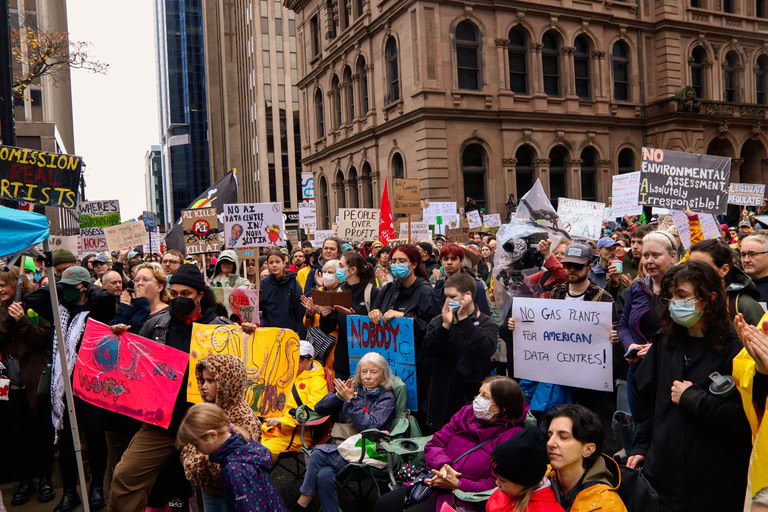
Hundreds protest against Cape Breton AI data centre in Halifax

Local university series fostered Jewish and Indigenous conversation and connections

Dal Student Life hosts not-so-haunted campus tour