Only three candidates running across nine empty positions in DSU by-election
Elections process needs “wholesale change,” president says
October 20, 2026 / Dylan Follett
Only three people are running across nine empty Dalhousie Student Union Council positions in the union’s upcoming Fall by-election.
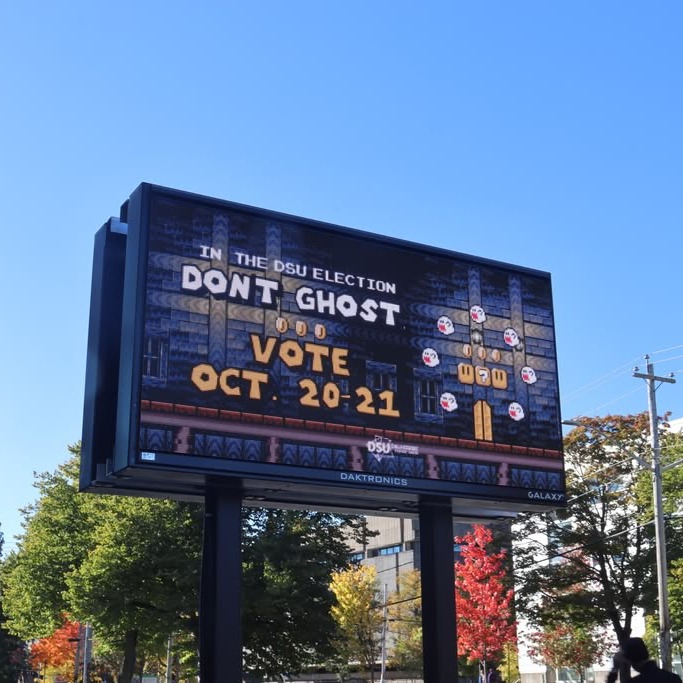
Voting for the by-election is open on Oct. 20 and 21. There are candidates for the roles of Faculty of Arts and Social Science Representative, Faculty of Architecture and Planning Representative and Disabled Students’ Community Representative. Every candidate is running unopposed.
Three community representative positions — Women Students, International Students and Residence Students — and three faculty representative positions — Agriculture, Computer Science and Graduate Studies — will be left vacant.
There is no other option for students to elect representatives for this year, but the DSU council can appoint students to empty council roles after the by-elections.
“I’m glad to see that there’s such strong candidates that are running,” says DSU President Anjali Seshadri. “It is difficult to see that there aren’t many candidates running within the positions, [I] was hoping there would be a little bit more of a turnout.”
“It’s an indication that there needs to be a wholesale change in how the union approaches marketing of the elections process, as well as outreach about it,” says Seshadri.
The fall by-elections fill empty positions on DSU council, the union’s highest decision-making body, until the end of the current term on April 30.
Only members of a faculty can vote for that faculty representative. For the three positions with people running, students will vote yes or no for that candidate being elected.
“Three people running is frankly depressing,” says Rory Laing-Gatehouse, a first-year political science student who is running unopposed for Faculty of Arts and Social Science Representative. “It makes me sad about the state of political discourse on campus, but at the same time I am not surprised at all.”
The other two candidates running are Nermine Nakdad for Architecture and Planning Representative and Kenzy Bezeau for Disabled Students’ Community Representative.
“I am not super happy that I’m just being appointed, as much as it would stress me out to have to run a competitive campaign; in the interest of democracy, that would be a lot better,” says Laing-Gatehouse.
Despite this, he doesn’t fault students for the lack of candidates.
“I think people are very aware that the DSU has a limited scope, and that it’s very intentionally hamstrung by the administration.”
Seshadri says there are no plans for election changes yet, but she hopes they will be in place by the winter general election, when next year’s executives and councillors will be chosen.
One person, Niomi Hayes, was disqualified from running for Women Students’ Community Representative due to an incomplete nomination form, according to the DSU’s website.
DSU council is made up of the union’s four executives, two board of governors representatives, seven community representatives and 12 faculty representatives. Roughly a quarter of council positions will still be empty after the by-election.
Seshadri says the reduced size won’t affect council’s operations, but that it means the union will lose important perspectives.
“The role of council is to act as a representative body of the students,” says Seshadri. “That’s the biggest hit that happens when there’s so many vacant positions, that we’re missing a diversity of opinions and perspectives.”
Seshadri says that while candidate turnout shows problems with the DSU’s election outreach, she doesn’t believe it indicates a problem with the DSU’s community engagement in general.
“There needs to be large-scale changes so that students understand the importance of council itself and that it is also one of the important ways to get engaged with our work,” she says.
With files from Hazel MacKenzie.
Read more from the gazette
Q&A with DSU Faculty of Architecture and Planning representative candidate Nermine Mokdad
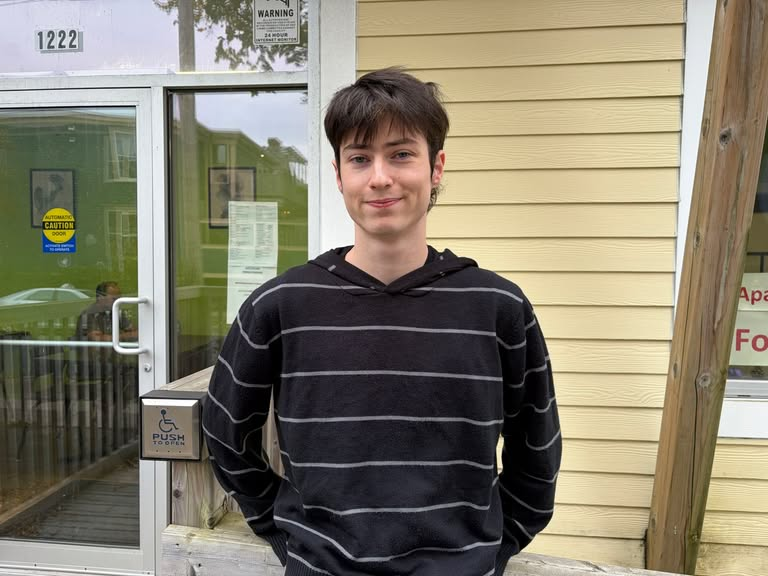
Q&A with DSU Faculty of Arts and Social Science Representative Candidate Rory Laing-Gatehouse
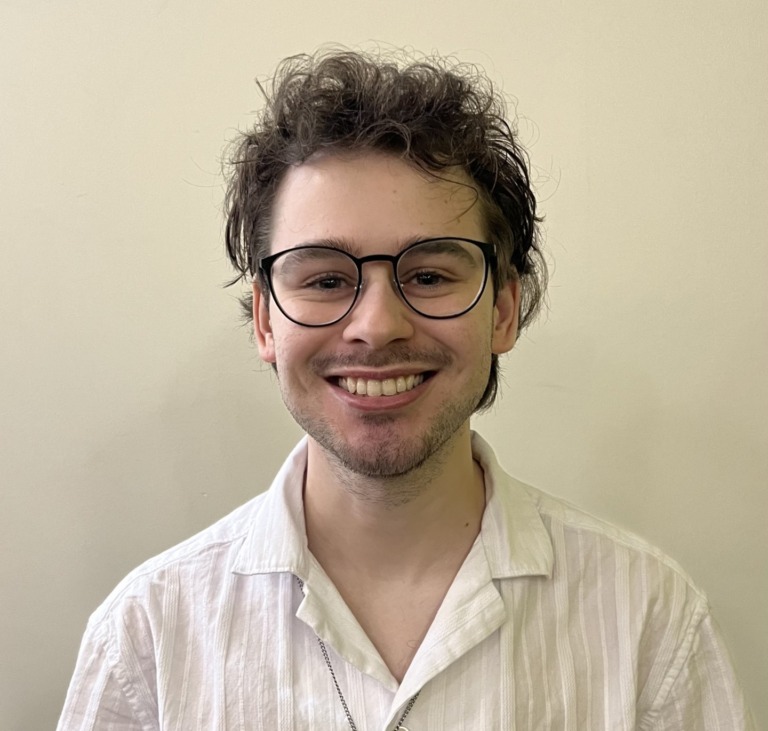
Q&A with DSU Disabled Students Community Representative candidate Kenzy Bezeau
Ella Mowbray Chriske acclaimed as KSU president in by-election
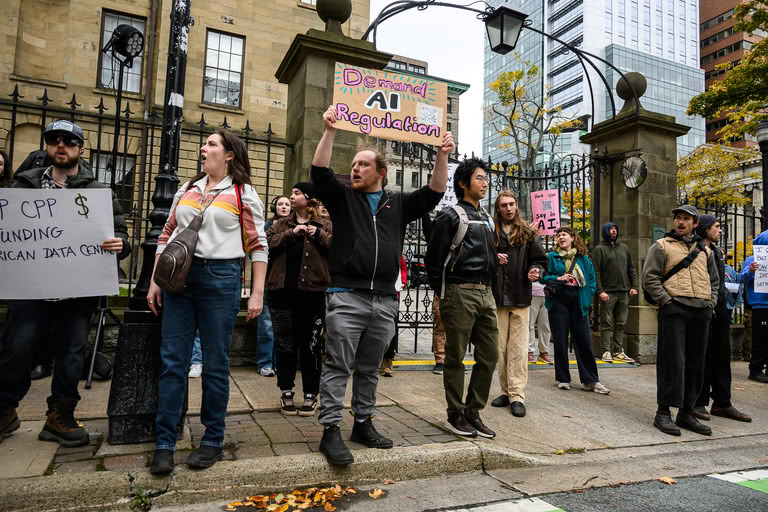
Over 100 people protest against AI data centre at legislature