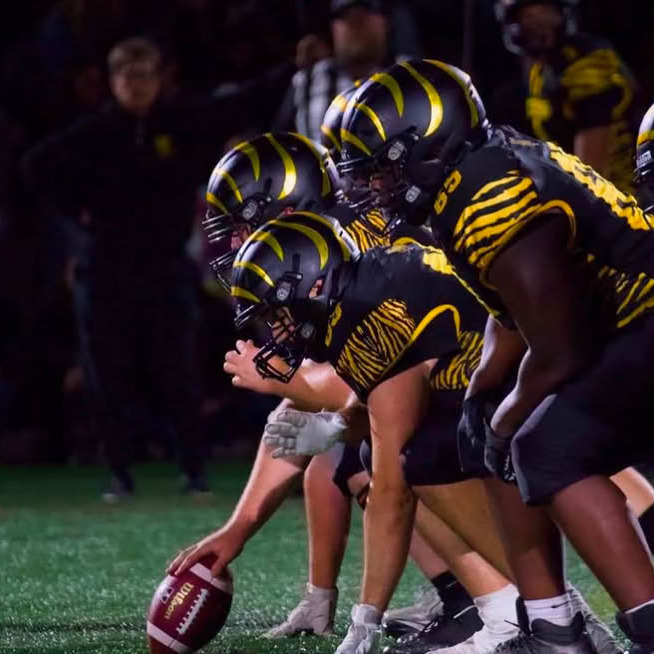
Dalhousie football players call for mental health awareness
Following the deaths of 2 players in Ontario, Tigers emphasize mental wellness
October 22, 2026 / Lily Van Beek
In early September, two Ontario University Athletics football players died, inspiring increased attention to athlete mental health across the country.
The deaths of Daniel Molla, a University of Waterloo offensive lineman, and Nathan Guizzetti, a University of Windsor running back, were tremendous losses for the Canadian football community.
“[Mental health] is a big team focus and something we definitely talk about in the locker room,” says Raif Morton, a rookie defensive back for the Dalhousie Tigers football team. “We’re all remembering and honouring the young men who passed in September.”
He says the deaths in the OUA prompted reflection on the state of mental health in college football.
“[The news] highlighted, for the team, some mental health concerns,” he says. “You look around the room, and you imagine if one of [your teammates] slipped into a hole and they couldn’t dig themselves out.”
A brotherhood: one-on-one connection off the field
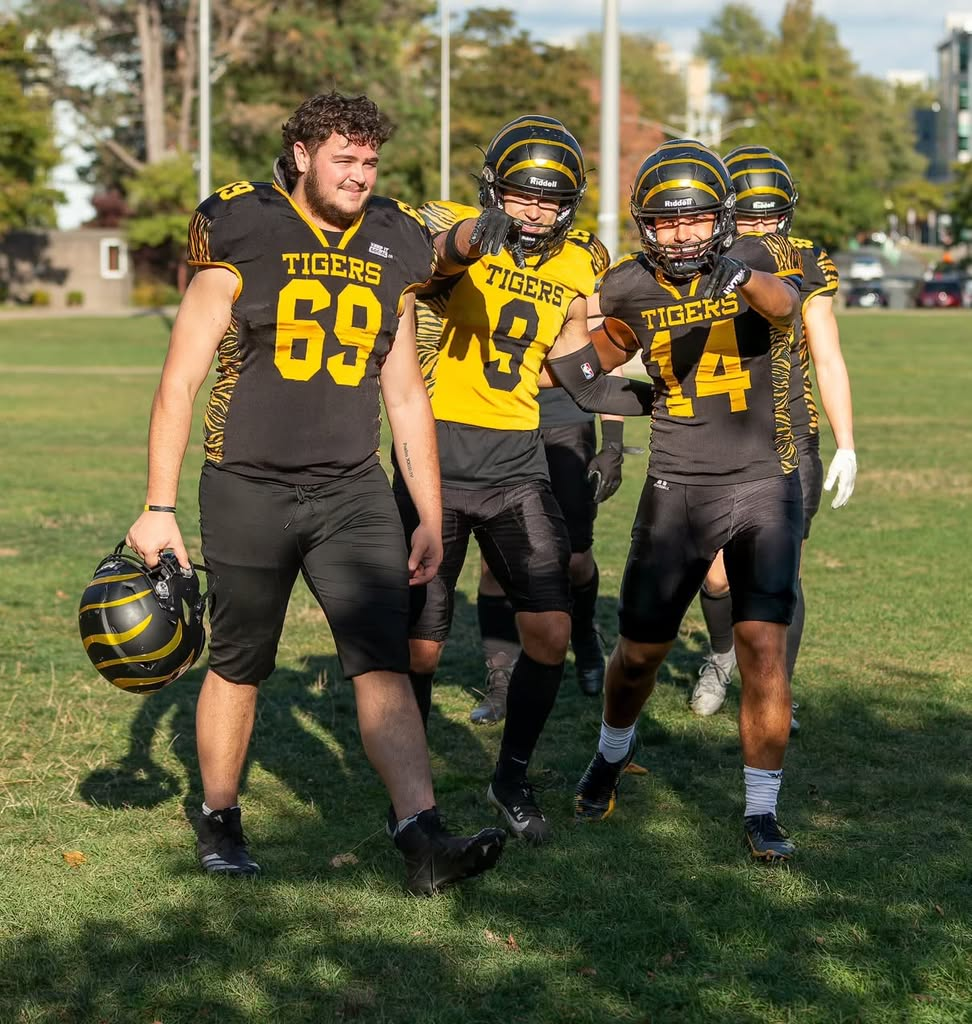
Lucas Ferracuti, equipment manager and former offensive lineman for Dalhousie, says mental health supports have improved each year since players dealt with the tragic loss of a teammate, Alexander Jessup, in 2022.
“One of the big things that helped us through [his passing] was knowing each other so well,” he says. “We got together, and we formed support groups.”
Following recent deaths in the OUA, Ferracuti says coaches and support staff have informed players of existing mental health resources.
Morton says the team’s veteran players and coaches also approached the team about the importance of open dialogue.
For Morton, Dalhousie football’s strongest approach to addressing athlete mental health challenges has been cultivating close connections between players, coaches and staff.
“We promote a culture of ‘this is your team, this is your family,’” he says. “We’ll go out once a week — all the defensive backs — and grab dinner together. We’ll all catch up on each other’s lives.”
Ferracuti says the team’s close-knit bonds and regular check-ins ensure no teammate struggles alone.
“College football has always been very demanding. It asks a lot of you, but it’s also been very supportive,” says Ferracuti. “The guys and the coaches all care for each other a lot. We all try to have an open ear, we all try to listen, we all try to help out.”
Players are also valued and respected regardless of their seniority on the team. Morton says this helps alleviate some performance-related pressures.
“I’ve been treated almost identically to fourth-year starters,” he says. “The way I’m treated on a daily basis is the same as any other guy who was recruited or who was five stars in high school.”
Ferracuti says the coaches and support staff are equally as invested in maintaining a supportive culture for athlete mental health.
“Because I’m not a coach — I’m just an equipment guy — it means I talk to everybody on the team and also I don’t make decisions about what they do. I’m just here to help them,” says Ferracuti. “I’m able to talk to the guys a lot more in a little bit more of an informal way … I can be very open with the guys, they can be very open with me.”
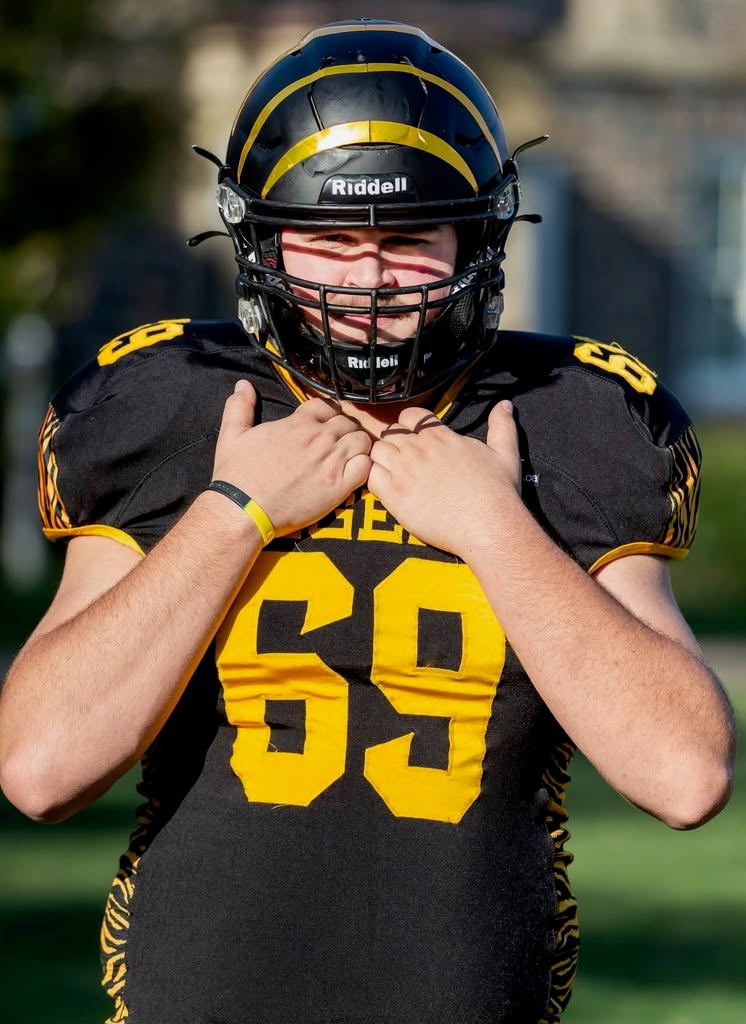
Does stigma around mental illness still exist?
Increasing dialogue around athlete mental health is combating generations of stigma within the sport, says Morton.
“Particularly in men’s sports, a lot of guys have trouble opening up about [mental illness]. It presents us as soft or weak,” he says.
Morton says he recalls being discouraged from talking about his mental well-being on previous teams.
“On other teams, and even on ones that I played against in high school, coaches would instruct players not to say anything to anybody outside of the team,” he says.
Ferracuti says conversations about mental health have become standard in light of the deaths of Molla, Guizzetti and Jessup.
“There used to be [a stigma], but I don’t think there is anymore. Over time, the macho image of college football has changed for the better,” says Ferracuti. “Guys talk about how they’re feeling all the time.”
Morton, however, says some players who grew up in a football environment where mental illness was stigmatized are still struggling.
“It’s really important to get [mental health training] at a younger stage,” he says. “Promoting a culture where you don’t have to be a hypermasculine stereotype all the time would be positive.”

Read more from the gazette

“The quality is already suffering:” Dal makes all faculties and units cut 6.3% of spending

Could there be affordable housing hidden in Halifax? This group thinks so

Phoebe Bridgers wants you to be in the moment
Top recruit ready to make his mark for the Tigers
Ombudsperson’s report outlines areas Dalhousie can improve