
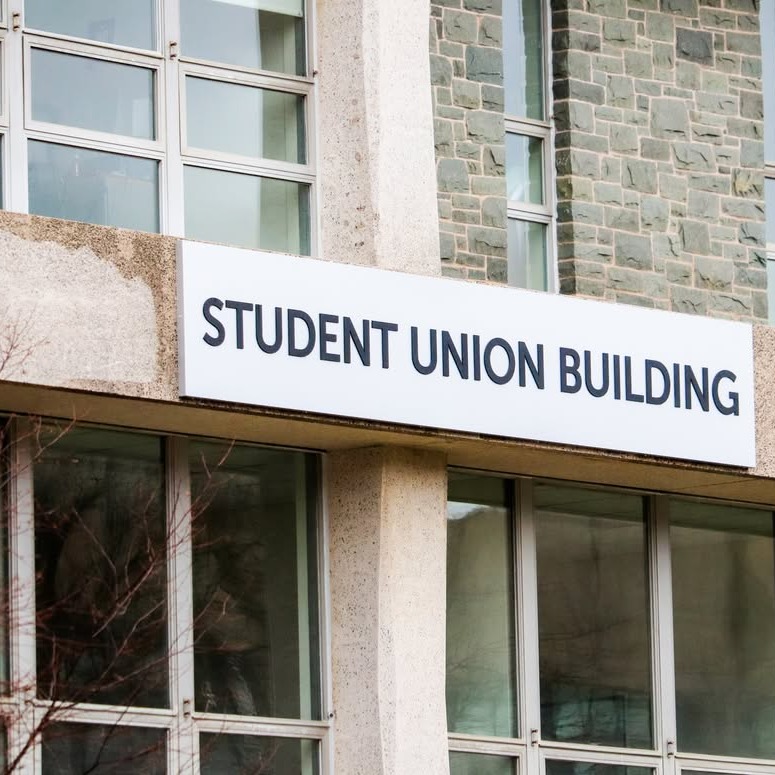
DSU execs are left to fill advocacy gap after closure of union equity and accessibility office
Union committee now manages grants, execs manage advocacy
November 19, 2026 / Hailey Jackson
The Dalhousie Student Union quietly closed its equity and accessibility office last year, ending a years-long decline in focus on its programming and advocacy mandates.
Last year’s union executive ended hiring for the centre, which advocated for students with discrimination complaints. The closure follows years of the centre’s size and activity decreasing, DSU President Anjali Seshadri said in an email to the Dalhousie Gazette. DSU council did not vote on or discuss the office’s closure, according to meeting minutes from the 2025-26 year.
The equity office was created in 2013 to advocate for students facing discrimination at Dalhousie University and advise on inequities built into university and union policies. It was financed by a $1 student levy for full-time students, or $0.50 for part-time students.
At its end, the office focused solely on awarding grants related to equity, a responsibility which has been transferred to a union committee.
The office’s levy is still being collected, according to current DSU Finance and Operations Vice-President Anton Kredl. In an email to the Dalhousie Gazette, Kredl said the VPFO typically does not recommend cancelling a levy fee until three years after an office is considered defunct, and the levy money is currently held in a reserve designated for the E&A office.
Selam Abdella, who served as director from 2019 to 2021, says she remembers the office’s scope had “ebbs and flows.” When she stepped into the role, the office employed a student director but no other employees.
Abdella, an international development and political science student at the time, expanded the office to include a programming coordinator and commissioners for specific events.
During the COVID-19 pandemic, the office gave out $50,000 in emergency bursaries. Abdella says she did not remember the office focusing heavily on policy review during her tenure.
Abdella says communication between the office and the union’s executive was crucial. The office did not advocate directly to the university at the time, relying on the union’s executives to put forward its recommendations.
Seshadri attributes the office’s decline to changing priorities and a lack of institutional memory as the union’s executive changes every year.
“Support of the offices is supposed to be a core responsibility of the [executive] roles, and if the office really wasn’t succeeding … then that [executive] duty was not carried out properly,” she said in an interview with the Gazette.
Seshadri says closing the office “is not a decision that I would have made, but it just depends on the people that are involved.”
Last year’s DSU president, Maren Mealey, declined to comment on the decision to close the office.
Seshadri says the union is working to create an office to replace the office with a more fleshed-out staff structure and concrete expectations of its responsibilities by the end of this year.
The office is still listed as an available service on the DSU’s website, with contact information for a former office manager and project coordinator.
Without the E&A office, Seshadri says the union’s capacity for equity-related policy reviews is limited. The union’s president and internal vice-president are now handling accessibility and equity complaints.
Abdella says although she believes the current executive is committed to equity, that commitment is not as guaranteed without the office.
“If there is a living structure [like the office] that requires an equity and accessibility mandate, then that ensures that programming and that funding is still secured,” she says.
At the time of its closure, the office fell under the purview of the vice-president internal. The responsibility has since been moved to the vice-president of finance and operations.

Read more from the gazette
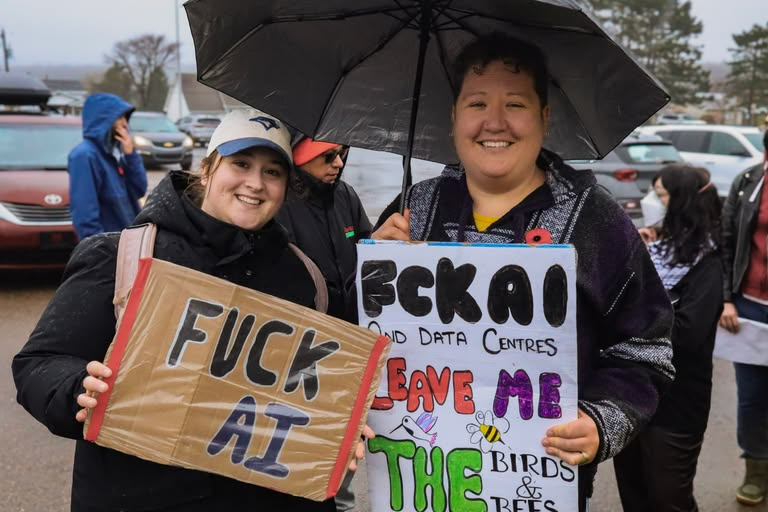
EIA-bsent? Port Hawkesbury data centre campus to move forward without EIA

Fire chief requests $1M funding increase, 20 additional firefighters in HRM
StudentsNS calls for province to maintain campus sexualized violence prevention funding
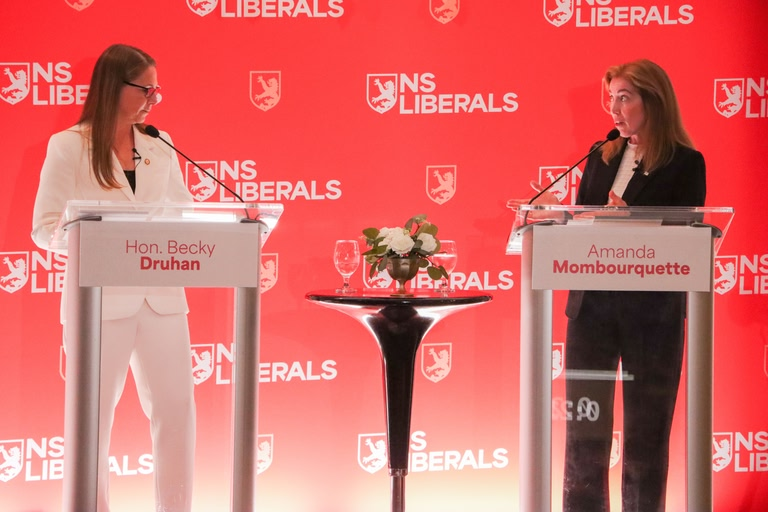
Who will be the next leader of the N.S. Liberals?

Daniel James McFadyen finds new sound on The Garden