
Twenty landlords own 43% of Halifax’s rental housing units, report shows
Fifty-six per cent of rental units are owned by corporate landlords
September 24, 2026 / Hailey Jackson, Dylan Follett
A new report finds that financial firms and chain landlords own the majority of the Halifax Regional Municipality rental market, with 20 landlords owning 43 per cent of the HRM’s rental housing units.
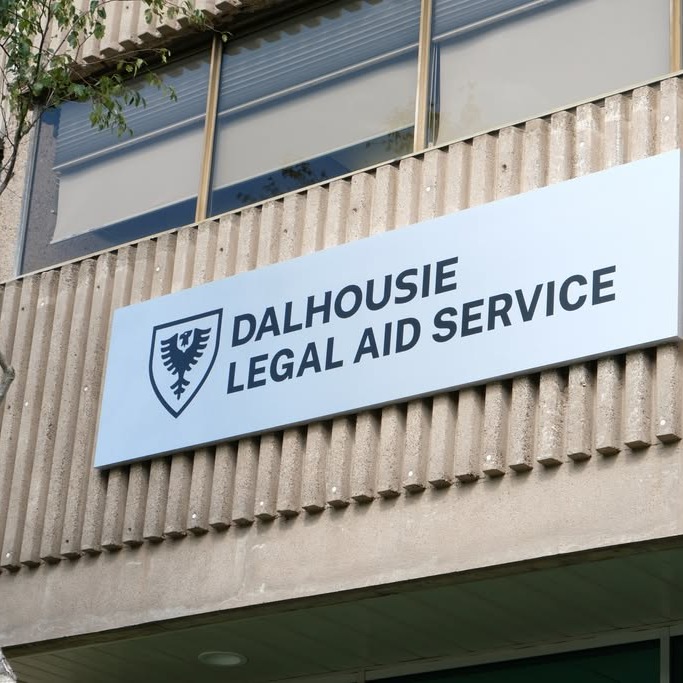
The report, titled Who Owns Halifax? and released by Dalhousie Legal Aid Service on Sept. 10, found that corporate landlords — who are more likely to have units in poor condition, raise rents and evict tenants — dominate Halifax’s rental market, owning at least 56 per cent of all rental units.
The community-based legal aid office analyzed over 50,700 units — around 77 per cent of the housing market — with five or more units and traced ownership of all of them to 895 individuals.
“It was a really big surprise to find out how concentrated the ownership was,” says Mark Culligan, a community legal worker at Dal Legal Aid who helped write the report. “We knew there were significant issues, but it was much greater than we thought.”
Dal Legal Aid receives funding from Dal’s Schulich School of Law. Much of their work focuses on housing, helping over 600 people a year with tenancy hearing consultations and producing educational materials.
The report found Halifax’s largest landlord, Killam Apartment REIT, owns 10 per cent of the total analyzed market with 5,350 units.
Canadian Apartment Properties REIT, a national rental housing investment company, owns the second most with over 3,300 units in Halifax, or 6.6 per cent of the market. Universal Realty Group, a Halifax-based chain landlord, owns the third most with just over 2,000 units, or 4.1 per cent.
The report is the first of its kind for the HRM, as there was no requirement for landlords to register their properties until the municipality mandated it in April 2024, and then made the registry public in May 2025.
In a Sept. 11 press release, Rental Housing Providers Nova Scotia, a landlord lobbying group, said that the new report is misleading.
Kevin Russell, the group’s executive director, said the report is “another dishonest attack from activists that target hard working men and women and that own and operate housing in our province,” in the release.
The group said Dal Legal Aid excluded 88 per cent of HRM properties by only analyzing properties with five or more units.
Culligan says the group’s comments are “not a fair critique.” While they were excluded, properties with four or fewer units make up about 23 per cent of housing units, a small enough fraction that Dal Legal Aid’s analysis still stands, he says.
The discrepancy comes from RHPNS measuring by number of buildings, regardless of how many households are in each, while Dal Legal Aid uses the number of units.
“What [RHPNS’s] statement reflects is the discomfort that the landlord industry has when people are pointing out the kind of concentration of wealth and power that is represented by this ownership data,” says Culligan.
Culligan says Dal Legal Aid also didn’t have the capacity to analyze all the properties because the report was developed as a summer project in addition to Dal Legal Aid’s regular work.
The report comes as Nova Scotia’s legislature must reconsider the province’s annual five per cent rent increase cap set to expire at the end of 2027. Dal Legal Aid is calling for a permanent rent cap in Nova Scotia, while RHPNS is calling for the cap’s removal.
“If we’re thinking about how we should do our rental regulation policy, whose interests are we balancing?” says Culligan. “Are we balancing mom-and-pop [landlords] versus hundreds of thousands of Nova Scotians? Or are we talking about 895 individuals who own the majority of the housing stock in Halifax?”

Read more from the gazette

Halifax’s thedottedline is here to finish what Kendrick Lamar started

The AUS to ACAA pipeline
Chartwells manages half of SUB food vendors after Abstract takeover

Africville tribute on display at Nocturne

Tigers defeat Moncton 3-2 in a dramatic overtime finish