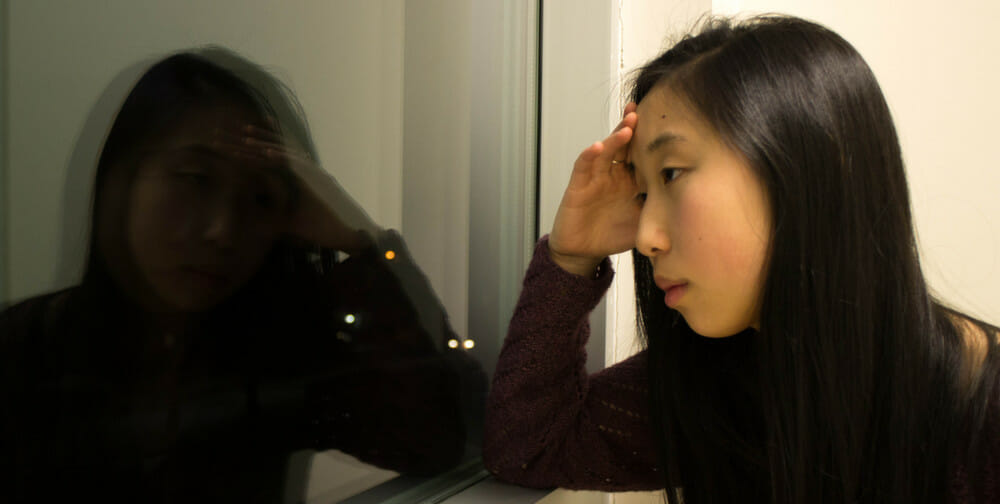
Heavy workloads and long winters can leave students susceptible to depression. (Photo by Asrar Ul Haq)
In recent years, mental health awareness and reported forms of mental instability have increased. The Mental Health Commission of Canada states that one in five Canadians experience mental health problems.
Contemporary understandings of mental health address the effect of stress not only on mental health, but also physical health. Many people treated for heart disease, asthma, Alzheimer’s and other common illnesses are told to practice stress management. If issues of stress lead to mental illness as well as other health concerns, people should place importance on practicing stress management just as they would practice healthy dietary habits and commitment to physical activity.
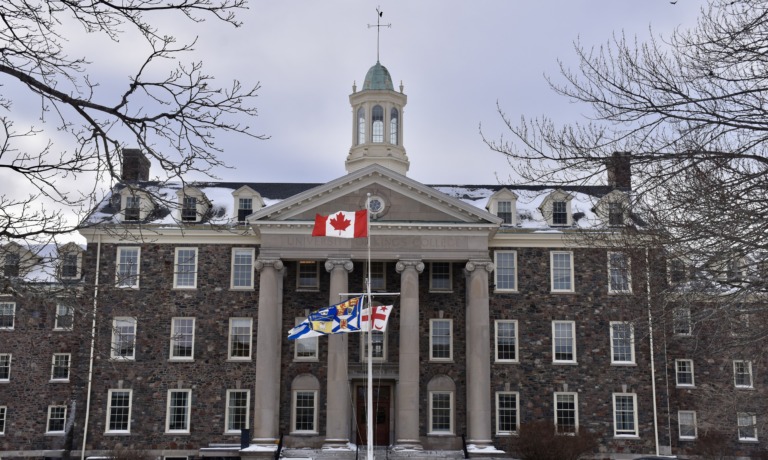
Academic expectations at any university cause students to feel stressed, making many students susceptible to depression. Seasonal Affective Disorder (SAD) is a common form of depression that could potentially be affecting more Dalhousie students then people realize. The disorder can have mild effects on many students, and the winters we experience in Halifax for much of the academic year are a contributing factor to this form of depression.
There are a number of students at Dalhousie who are living away from home and are unable to see their families regularly. For me, it is important to take a break from the Halifax winter—even just going back to Ontario to spend time with family. This is a luxury that many students may not have, and they’re spending breaks in Halifax while many of their friends are away.
With mental health awareness on the rise, it is becoming more common for people to look for emotional support in other ways. Dalhousie Health Services is one way in which students can find support and address their concerns, limiting further developments of mental illness. As SAD could be affecting many Dal students to some degree, Dalhousie may want to consider making their counselling services more available by reducing appointment limitations.
Students should be aware of how common both stress related depression and Seasonal Affective Disorder are. If you are experiencing these types of issues it is important to make some adjustments early on, before symptoms worsen. Dal offers many different types of extra-curricular activities, like club teams, recreational sports, volunteer opportunities and fitness classes at the Dalplex. By taking advantage of these programs it’s easier to distract yourself from the extreme colds, heavy snowfalls and limited daylight trapping you indoors.
If you believe you may be suffering from a severe form of depression or mental illness, speak to a health care professional.