
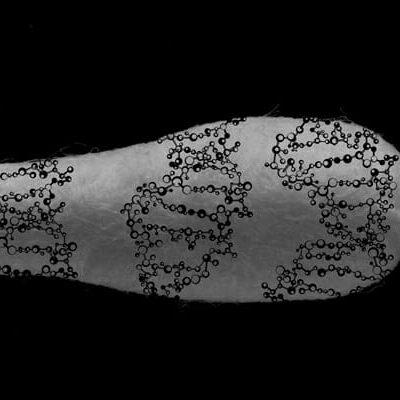
Students ‘Get Swabbed’ for research
Dal leads the way in stem cell research
November 11, 2011 / Dalhousie Gazette Staff
Dal leads the way in stem cell research
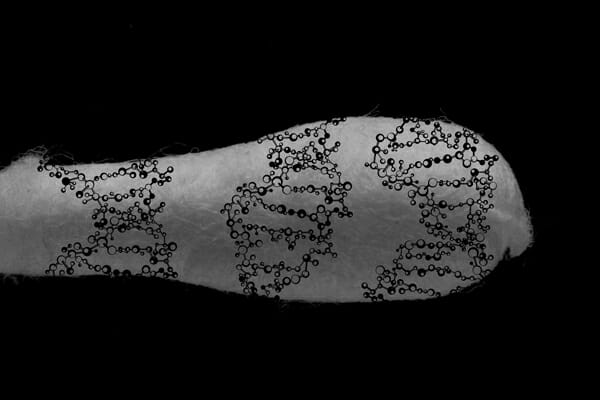
DNA cotton swab
Students in the SUB on Nov. 1 might have noticed the balloons hanging on the stairway with papers hanging from them that read “Get Swabbed.” The bustling commotion of people walking in and out of room 224 was the focal point of all the action.
The event, called One Match, was held in affiliation with the Canadian Blood Services. It was a university challenge to see who can get the most participants involved in donating stem cells.
Dalhousie aimed to get about 200 participants to donate. One of the organizers of the group, Kristen Sine, says the campaign aimed to do more than just win the competition.
“It is an event to raise awareness for stem cell research,” she says.
“Get Swabbed,” the competition’s catch phrase, urged students to give samples of blood or marrow, which would be placed in a registry for future use of someone who needed it.
At 4:30 p.m. there had been about 100 students who had already donated. Organizers were hoping to squeeze in another 100 by 7:00 p.m.
According to the National Institutes of Health resource for stem cell research, stem cells are “unspecialized cells capable of renewing themselves through cell division, sometimes after long periods of inactivity….Under certain physiologic or experimental conditions, they can be induced to become tissue- or organ-specific cells with special functions.”
Stem cells are very important in discovering cures for new diseases, or in the case of “Get Swabbed”, in creating a vast network of banks that can supply to people in need.
Students around campus seem to show indifference to the subject. “I personally wouldn’t donate, but stem cells are helpful in research and to people, and I agree with it,” says Dal student Kenisse Trotman.
There are ethical issues at play in the stem cell debate, though. The procedure for actually harvesting adult stem cells is difficult and unstable, according to Suzanne Holland’s article Science, Ethics and Public Policy.
Stem cells help to replace organ tissue or blood cells, and donations of stem cells can save lives by rebuilding damaged tissue. But questions of how far to take this sort of research, how dangerous the procedure is, and how likely it is to work prevail in works like Holland’s.
Controversy around stem cell research revolves largely around embryonic research, which involves taking stem cells from unborn children to test them or to use them for therapy.

Read more from the gazette

Local university series fostered Jewish and Indigenous conversation and connections
Dal Student Life hosts not-so-haunted campus tour

Budgeting tips, from the provincial government
Hungover, Hungry and on a Budget

How has affording to be a Dalhousie student changed in the last 30 years?