
MacLeod is out of tune with Nova Scotians
The public holds the energy minister accountable for misogynistic lyrics
September 10, 2026 / Georgia MacDonald
I don’t know whether I’m relieved or disappointed that “George Jones” — the song written by Marco MacLeod, Nova Scotia’s ex-energy minister — has been pulled from streaming platforms.
My ears are definitely grateful. I’ve already endured multiple painfully produced rap songs thanks to a middle school classmate.
But as a journalist and commentator, I’m almost disappointed.
MacLeod released “George Jones” and three other songs 13 years ago under the alias Meadowville. Despite the passage of time and his name not being directly connected to the music, these songs have resurfaced to haunt him.
The Canadian Press reports, with their copy of the song, that MacLeod’s lyrics contain a series of expletives and sexual innuendoes, as well as a reference to cocaine use.
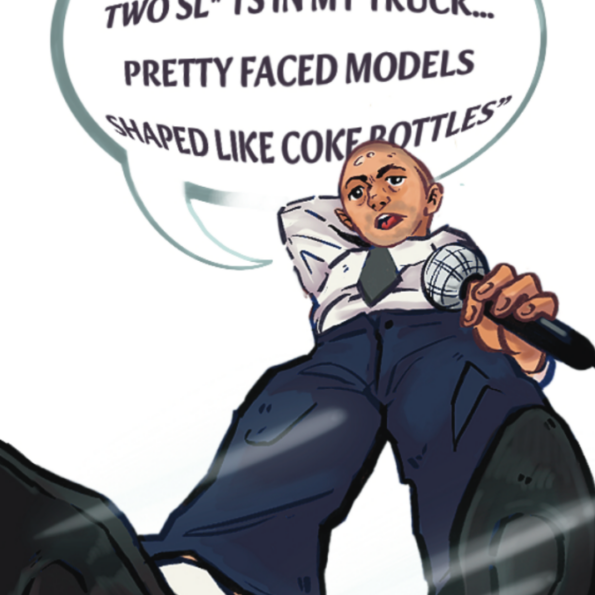
Mason Kossak, a journalist from the National Post, provides lines like “cocaine in my brain, two sluts in my truck” and “She’d jiggle in LuLus until I’m hard in my Fruit Looms.”
While the lyrics are absurd, distasteful and juvenile, one question remains: how severely should MacLeod be punished?
Adsum for Women and Children House, a Halifax-based organization that provides shelter to women and children, released a statement regarding this situation.
They argue that “Holding these beliefs and disseminating this type of content should disqualify an individual from public office.”
I agree, but I believe they are a bit misplaced in this case.
Maybe I’m giving MacLeod the benefit of the doubt, but I think he wrote the lyrics without genuinely believing the message or behaving as his lyrics suggest.
It’s not an excuse for his poor choice of words — I believe media that condones violence against women should be taken seriously. It seems like MacLeod mimicked the lyricism of that era rather than admitted any damning ideals.
At least the Progressive Conservative caucus says so.
The caucus argues that the song isn’t autobiographical, and MacLeod asserts that it’s a ridiculous song he wouldn’t make today.
“I’m so sorry to everyone who’s been hurt,” MacLeod said to reporters in his statement about the song.
Leah Martin, the minister for the advisory council on the status of women, also reported to the Globe and Mail that she has had a “great experience working with MacLeod,” and that “He has accepted responsibility and has expressed a commitment to learning and improving.”
Despite all this, MacLeod resigned on Sept. 2.
I’m disappointed that this ended in a resignation when it could have been an opportunity for lasting improvement.
The amount of energy that went into cancelling MacLeod could have been directed toward encouraging systemic change, such as stronger background checks for political figures and clearer procedures for handling situations like this.
Perhaps extending more grace to those who acknowledge and take responsibility for past misconduct would foster a kinder society and a less cancel-focused culture.
Members of the public should be thoughtful toward those they hold accountable and consider what they actually hope to achieve.

Other Posts in this category
Make-A-Wish partner society founded at Dalhousie

DSU rehires same security contractor for DalFest after alleged assaults last year, adds new safety measures

Tony turns Provincetown into Hollywood
Meta’s AI glasses are for perverts
The NFL thinks you’re shallow and they’re too lazy to care