
Want to travel affordably as a student? Consider volunteering
Students struggle to finance travel opportunities
November 5, 2026 / Lily Van Beek
Travelling abroad can be a formative experience for young adults, but some students say it’s no longer something they can afford.
“It’s not possible to finance travel when I already don’t have enough money,” says Elizabeth Ferreira, a fourth-year philosophy student at Dalhousie University.
Ferreira, who recently went on exchange to France in January 2026, says her travel expenses cost her four years’ worth of savings. She spent about $12,000 on just plane tickets and food, before covering tuition and rent.
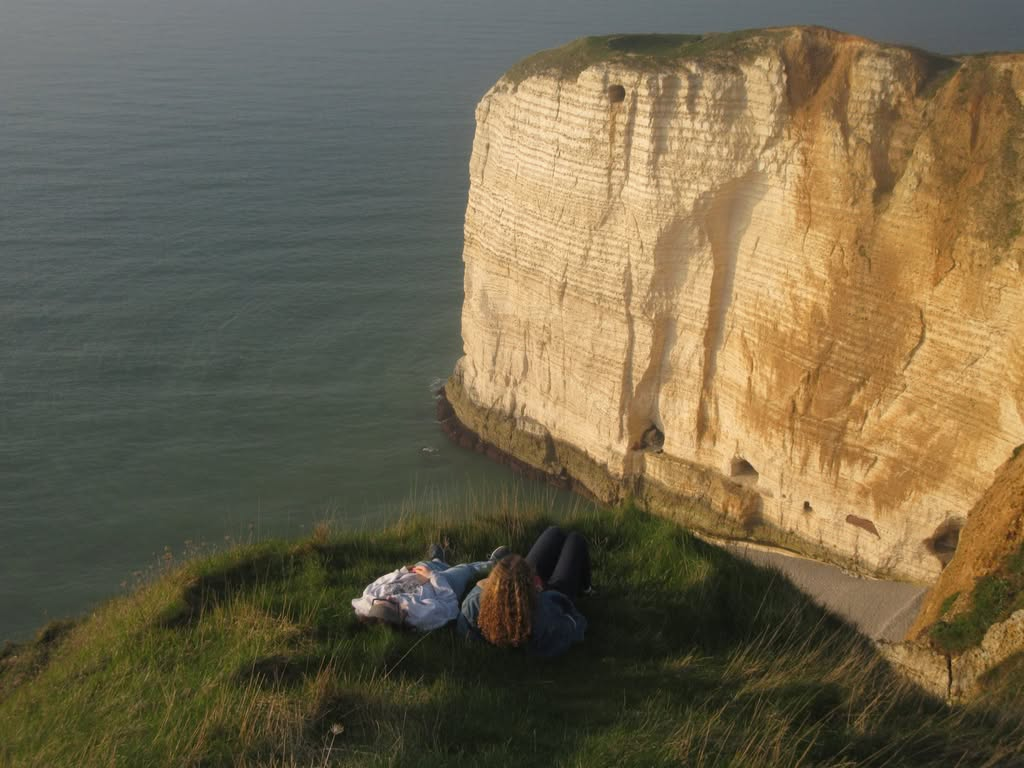
Jack Carlson, a fourth-year marine biology student, took a semester off school to pay for his exchange to Ecuador.
“I put all the money I would have used in second semester towards this [trip], and then I took the next semester off in order to work back home.”
Ferreira and Carlson found a more affordable way to scratch the travel itch: volunteering abroad.
Ferreira helped establish permaculture in a Romanian commune. She says volunteering with an external organization lowered her cost of living and helped her budget for a month-long stay in Romania.
“If you’re a European citizen, you can volunteer through the EU Solidarity Corps, and they sponsor your travel,” says Ferreira. She also researched two voluntourism organizations: Workaway and World Wide Opportunities on Organic Farms.
Ferreira received lodging, food and subsidized travel through her work with the commune.
After his exchange, Carlson volunteered with a hostel in the Amazon rainforest to maintain the surrounding environment.
“The hostel let the rainforest take back some of the land,” he says. “[The owners were] making gift baskets for an Indigenous community that’s low-contact down the river.”
Carlson’s volunteer efforts led him to visit a community of the Indigenous Achuar peoples living in Suwa. He said his stay at a nearby eco-lodge cost around $500 a night, with additional costs for travel.
“It was a six-hour bus ride and a six-hour fibreglass canoe ride down the river to reach this tribe that was very unique,” says Carlson. “[Meanwhile], there was an eco-lodge further down the river.”
Even well-travelled students are discouraged
Despite wanting to continue travelling, both Ferreira and Carlson say they cannot afford trips in the near future.
“I want to see South America, and I want to see Asia, but I have to make all my money back [from my trip to France],” says Ferreira.
She also says it’s hard to save enough money for potential travel complications.
“You cannot budget things so that you will come back with absolutely zero money,” says Ferreira. “Trains get cancelled, planes get cancelled, you have to rebook things and people don’t necessarily refund you. You have to have a cushion.”
Carlson has dreams of visiting India and Spain but says travel costs are well outside his budget. Instead, he is finding ways to travel cheaply in Eastern Canada, bikepacking across Newfoundland with a friend.
“We were putting up our tent near a stream most nights … It was a 14-day trip with some of the most beautiful views I’ve ever seen, and it cost us $400 each.”
Ferreira also advises students to compare costs of living between potential destinations.
“Romania was pretty cheap. Their leu is about 30 cents Canadian,” she says. “Countries like Germany and France were not cheap at all.”
Carlson says his biggest tip is to engage with locals instead of booking tickets to tourist traps.
“If you don’t have a plan, interact with locals, make local friends,” he says. “We stayed in someone’s RV.”

Read more from the gazette

The cost of having a vice

How a psychology and history student affords to live in Halifax

I might fail my classes, but at least I have a paycheque

Building sandcastles without sand

How the DSU president lives on $40,000 a year
