Black Student Advising Centre starts new ‘Village’ student-wellness cohort
Around 20 students will join the 6-month pilot program
September 10, 2026 / Dylan Follett
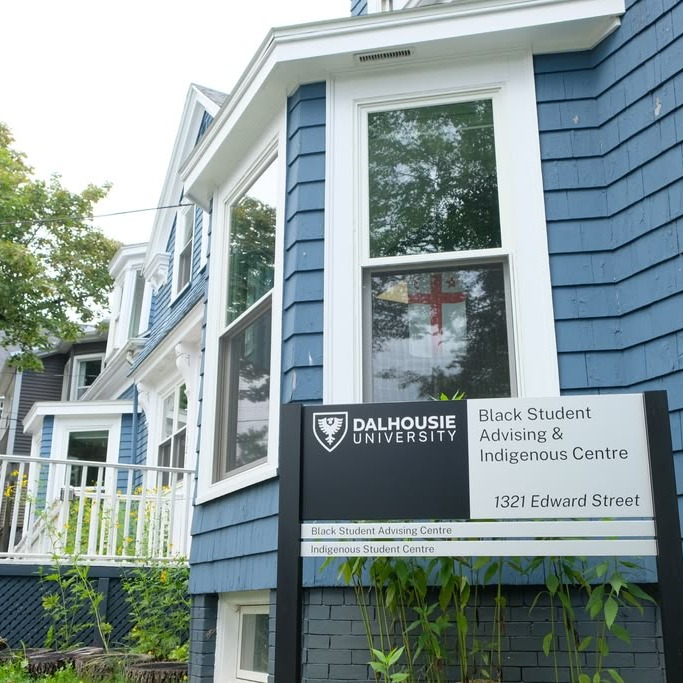
Dalhousie University’s Black Student Advising Centre and Student Health and Wellness are starting an Afrocentric mental health and wellness program, with applications currently open for the first student cohort.
The Village program will run from October to March and accept around 20 students. Members will meet monthly for 2-3 hour workshops and conversations around mental health, cultural identity, community and practical life skills. Students will additionally have access to asynchronous resources.
It’s a pilot program that Matthew Thomas, an advisor at the centre, helped initiate. He hopes the project can be adapted and expanded for the future based on how this year goes. The deadline to apply to join the Village this year is Sept. 12.
“Even though it is work, it really is a labour of love. This is what motivates us … This is why we’re here ultimately,” says Thomas. “To be able to do something that’s meaningful in [this] sense…it feels like an exciting, passionate thing.”
The program began developing last year after the centre began working with Jason Chatman, a Black counsellor with Student Health and Wellness. Thomas says the program is an intentional attempt to bridge the gap between Black students and access to mental health services. The Village received just over $12,000 of funding from the Community Foundation of Nova Scotia for its pilot year.
The Village is inspired by the adage “What’s understood don’t need to be explained,” and aims to create a space where Black students’ culture and experiences are centred, making it easier for them to get helpful support and grow while in community.
“Ultimately we want to increase wellness in Black students holistically,” Thomas says.
The team behind BSAC includes Thomas, another advisor and four student staff members.
Beyond the 20-student cohort, Thomas thinks the program will help show the broader Black community at Dal that “We have the capacity, the capability, the resiliency, the willingness to care for ourselves well, and we’re empowered to take ownership of our wellness.”
Thomas says the funding they received, which is less than they asked for, will go towards food, presenters and an overnight trip to the Black Loyalist Heritage Centre in Birchtown, N.S.
He says budgetary constraints are part of why the pilot cohort is capped at around 20, but the group also wanted to have enough intimacy for meaningful dialogue.
Thomas hopes that the Village becomes regular programming and that its model could be a template for groups like Indigenous and LGBTQ+ students. He is excited because the program has a lot of interest, including from colleagues around the university.
“Anytime there seems to be a meaningful solution to gaps that exist in services, I think there’s just a curiosity and a hopefulness and an optimism.”
BSAC will not receive any additional funding or training from Dal for the program.
“We know that we’re adding a new significant endeavour on top of the core programming that we already do,” says Thomas. “So I definitely feel a little bit of apprehension about that.”
Read more from the gazette
Q&A with DSU Faculty of Architecture and Planning representative candidate Nermine Mokdad
Q&A with DSU Faculty of Arts and Social Science Representative Candidate Rory Laing-Gatehouse
Q&A with DSU Disabled Students Community Representative candidate Kenzy Bezeau
Only three candidates running across nine empty positions in DSU by-election
Ella Mowbray Chriske acclaimed as KSU president in by-election