
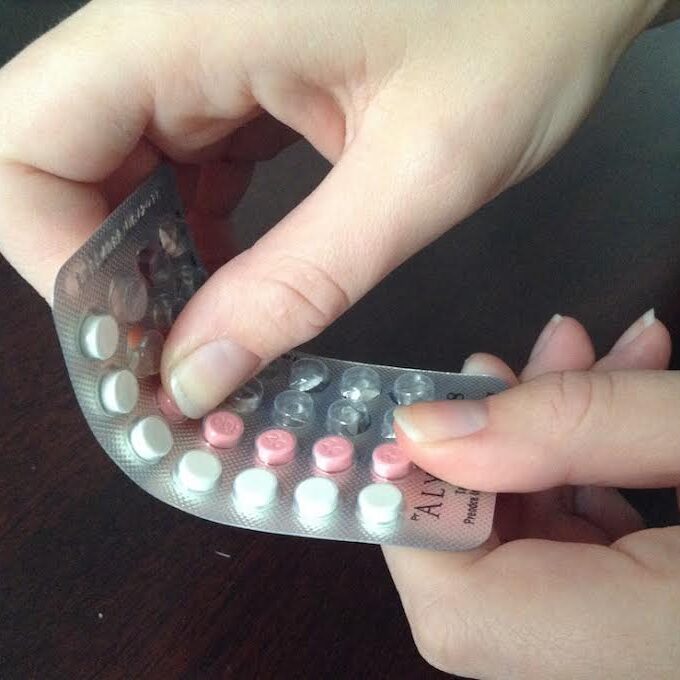
Study linking depression and birth control not wholly accurate
Research on hormonal contraceptives causing mental health issues for women likely overstated.
November 23, 2016 / Samantha Calio
A study associating birth control with depression has received heavy media attention, leaving some experts concerned that the news coverage will leave women uninformed.
“It’s been misreported in terms of some of the headlines actually suggesting that the pill causes depression … and that’s not at all what the study showed,” says Tanya Tulipan, psychiatrist for reproductive mental health at the IWK Health Centre.
The Danish study published in the JAMA Psychiatry journal on Sept. 28, has been reported by major news outlets such as CBC, CNN and Global due to the number of participants. Over a 13-year period, more than a million women between the ages of 15 and 34 had their experiences with birth control recorded.
The study didn’t diagnose women with depression because of the pill. Most women were prescribed antidepressants while on the pill and a portion of these women were diagnosed with depression in hospital, says Tulipan.
Antidepressants are often associated with depression, but they can also be used for anxiety disorders, menopausal symptoms and chronic neuropathic pain.
An 80 per cent increase in depression because of the pill was reported by media, which is not the case says Crystal Chaulk, pharmacy manager at Guardian Nova Pharmacy on Coburg Road.
There is actually only an 18 per cent chance that someone on birth control will develop depression. This is an increase from the 10 per cent chance that women face when they aren’t taking the pill.
Only eight more women out of 100 are developing depression when they are on the pill, says Chaulk.
Medical press released an article titled “before you freak out about birth control and depression read this,” which goes on to say “some recent headlines and news stories claiming the birth control pill is linked to depression have overstated the findings of a new study and caused panic among some women.”
The study showed that teens, between the ages of 15 and 19, are more likely to be using antidepressants.
Tulipan says any form of hormonal-based contraception has side effects. The more serious ones include blood clots and severe migraines, but women should be aware of all of the risks before starting birth control.
Even though the study is considered controversial, media coverage has opened a conversation about mental health and women.
“If there is anything this study shows, it is how little attention women’s mental health has received and how much more research we need to fully understand the link between hormones and mood symptoms,” says Tulipan.
“I think actually recognizing the very real biological link between hormones and mood, and possibly depression, is an important field of study that needs more attention.”

Read more from the gazette

The AUS to ACAA pipeline

Chartwells manages half of SUB food vendors after Abstract takeover

Africville tribute on display at Nocturne

Tigers defeat Moncton 3-2 in a dramatic overtime finish

The Gleeboot could save lives