
Sustainable fashion is failing plus-sized people
Conscious shopping cannot exist without inclusivity
March 14, 2020 / Mayowa Oluwasanmi
From production to Instagram promotion, the fashion industry is a trillion-dollar industry. But, the rise of fast fashion has considerable drawbacks. Rapid production has made the current fashion landscape one of the top contributors to global environmental pollution. The industry produces 10 per cent of global carbon emissions and ranks second for the largest water consumer. Experts have warned that microplastics, the small particles of plastic that make up cheap fabric, are clogging up the oceans. This mass, cheap production accumulates harmful waste and is often paired with inhumane working conditions and sweatshops.
The rise of sustainability
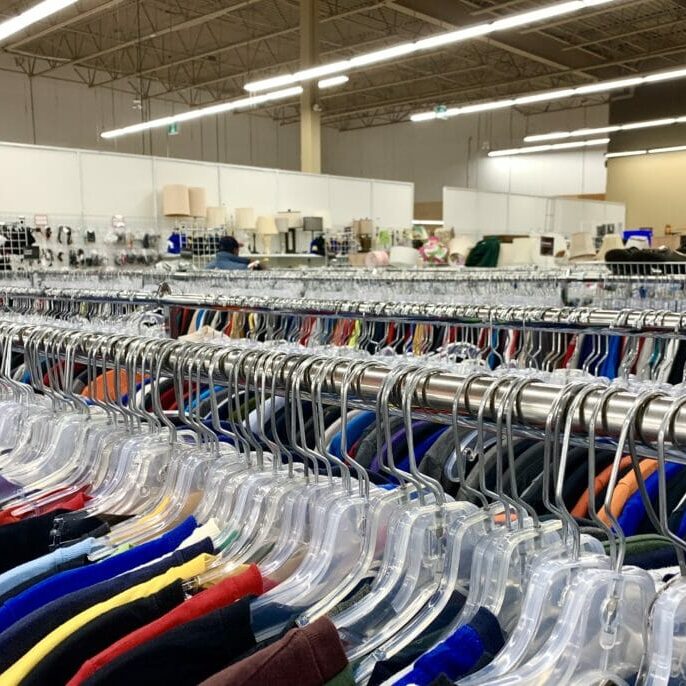
A growing, influential and more conscious consumer base has increased the demands for more sustainable, ethical fashion. Gone are the days of old where thrifted items would be met with disdain and hidden in shame. In the past few years, there has been a significant rise in brands pledging to become sustainable, while moving towards more ethical production practices. In addition, more consumers are being exposed to information surrounding thrifting, sustainable textiles and upcycling. On paper, this is a picture-perfect industry shift.
However, not everyone is included. One major issue surrounding ethical fashion is access to all sizes. The sustainable fashion economy is ignoring a wide demographic by isolating plus-size consumers from the movement. The plus-size dollar is powerful, with an annual growth rate twice the size of the total clothing market. According to a report by Forbes, plus-sized consumers spend more when shopping for clothing. While an estimated $250 billion is spent on clothes each year in the U.S., $21 billion is spent by plus-sized customers. Considering that the average woman in the U.S. and Canada wears a plus size, retailers have done little to reflect the realities of the customers around them. The rise of mass-produced online brands like Fashion Nova and Pretty Little Thing have slightly conquered this gap by providing a variety of sizes not found in brick and mortar stores. Despite that, these Instagram brands tend to cater to one specific body shape, rather than take into account everybody’s differences. This limited diversity also comes with a price tag, taking a heavy toll on both workers and the environment.
Include every body
Moreover, vintage shops are facing a massive gap when it comes to plus-size options. Blogger Stephanie Yeboah, in an article about ethical fashion, contended that many secondhand shops did not carry a “huge amount of options when it came to purchasing vintage or second-hand items.” Supermodel Tess Holiday is one of several plus-size public figures who have spoken up about this issue. In an interview with BBC, she said, “I want to be conscious of not contributing to fast fashion because of how wasteful it is, but it’s either that or I run around naked.” Many well-known ethical brands do not carry above the industry standard (size 12 and under) which effectively barricades thousands of women from making a conscious choice.
Despite this, there has been recent progress in the right direction when it comes to plus-sized sustainable options. Ethical brands like Global Citizen Designs and Reformation have begun to craft their own lane in terms of size inclusivity, while vintage shops specializing in plus-sized clothing are popping up online and in-store.
Inclusivity should not be an afterthought. If the plus-size market is the highest spending one, why are plus-sized people treated as an afterthought and relegated to poor quality, fast fashion boutiques? Ethical brands must ensure that, in the wave of conscious demand, size inclusivity is a priority and not a burden. Every person deserves the ability to make informed choices and when it comes to climate change, no progress can be made if a significant portion of the global population is not given an equal footing ground to change.

Read more from the gazette

PWHL Takeover Tour returns to Halifax for three games, sets league record

Dalhousie women’s soccer team goes coast-to-coast to compete in nationals
Former Houston minister Becky Druhan elected Nova Scotia Liberal leader

A new director, upgraded space and provincial grant cut for Dal’s transition year program

Your vote matters