Books
Black History Month is almost over
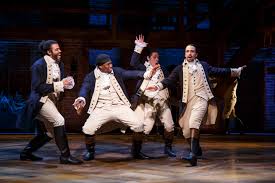
The world seems to get more diverse as time goes on. In the new Star Wars film, two of the leading stars, Oscar Isaac and John Boyega, were Puerto Rican and African American, respectively. One of the biggest literary hashtags is #weneeddiversebooks, and with the use of the internet, it is now easier than ever for people outside the mainstream to get their voices and their works out to the public. With the closing of Black History Month, it seems appropriate to bring up some resources for people who enjoy learning about varying aspects of histories and works of fiction. In terms of fiction, The Substitutes (Myisha Haynes), Nibi (Gyimah Gariba), and Demon Street (Aliza Layne) are easy to find, entertaining webcomics. If you prefer books, Pointe by Brandy Colbert and This Side of Home by Renee Watson are contemporary YA with black leads, though if fantasy is more your thing Ursual K Le Guin’s Earthsea series might be the way to go. Neil Gaiman’s Anansi Boys is a good choice for adult fiction, and if you’re looking for classics, notable author Alexander Dumas was a black writer with some of the best adventure stories of his time. Sometimes history is just as interesting as fiction. For example, Hamilton, one of the biggest Broadway Musicals at the moment which mixes hip hop with history from textbooks. Written by the very passionate Lin Manuel Miranda, who is of Puerto Rican descent, the play is about one of America’s Founding Fathers, Alexander Hamilton, and his journey from “a bastard, orphan, son of a whore and a Scotsman dropped in a forgotten spot in the Caribbean” to the revered figure he is known as today. While the play is not specifically about black history, it does feature anti-slavery themes in accordance with Hamilton’s own views, and the cast is almost entirely non-white – except for the role of the King of England, George III. History is also presented in an interesting manner by Tumblr’s MedievalPOC. It aims “to address common misconceptions that People of Color did not exist in Europe before the Enlightenment, and to emphasize the cognitive dissonance in the way this is reflected in media produced today.” It provides short blog entries on paintings, manuscripts or artifacts that demonstrate the presence and influence of people of color in European history, as well as provides resources, such as open source academic articles and timelines. If you’ve seen the same story in the mainstream media or history books all the time, why not try something new?
Submit Write Now
Dal/King’s undergrad creative journal open for everyone
150 Years of Change, 150 Years of the Same
A Look at Evolving English at Dalhousie

Getting oriented with Halifax
Entertainment within walking distance
What Dal should read
I’m suggesting this not because I think some experiences are universal and common to all fiction, but because experiences are not universal


Going nowhere and back
In 2012, Mark Black’s first book NoMeansNo: Going Nowhere was released as a part of Invisible Publishing’s Bibliophonic music series