
Samie Durnford, Assistant News Editor
Halifax Regional Municipality (HRM) has been trying to develop a plan to manage and preserve its urban forests. The Halifax urban forest consists of trees on private or public property, in urban parks and on the streets. The intended purpose of the plan is to raise awareness about the importance of the urban forest, to identify the benefits and values of protecting and managing the urban forest, and to address any areas of concern.
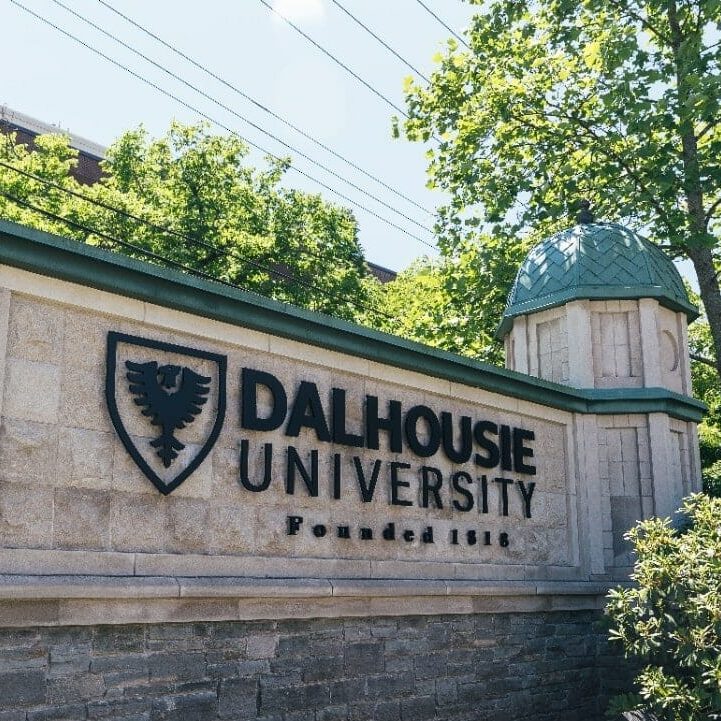
The Municipality partnered with students from Dalhousie’s School for Resource and Environmental Studies. Justin Hack and Jen Ross, students in the program, have been helping with the development of the urban forest plan.
During the summer Hack and Ross helped the city with the project as interns. Hack says he’s been looking at all the ways the urban forest can benefit the city of Halifax.
“Basically we need a plan for the trees,” says Hack. “We want to not only increase the amount of trees within the urban forest but also protect the trees that are already here.”
Things such as construction, changing weather patterns, pests, and private landowners cutting down trees challenge the urban forests in our city. These are some of the concerns that need to be addressed.
Hack says the total number of trees in our urban forest is 57.8 million. These trees remove about 118 thousand tonnes of carbon from our air. There are also 93 thousand sites in Halifax that can have a tree that currently do not. Hack says that planting more trees will contribute to the public well-being.
Ross held focus groups this summer to see where the public wanted to take the urban forest plan, and what benefits they felt it would give them. Shade and the growth of edible fruit were both identified by the public as values of having an urban forest.
Hack says that the urban trees have a benefit to cost ratio of eight to one, meaning every dollar the city invests in our urban forest, the community “sort of receives eight dollars in return through energy savings, storm water control, property value increase, and CO2 reductions.”
Currently Dalhousie is no longer involved in the project formally; however, Hack says that he intends to remain involved. He says that there are currently about 10 Dal students looking at ways of how to contribute to the development of the urban forest. He also says that they want to remain involved to make sure the urban forest plan is well written and expresses the community’s views.
Despite the fact that his internship ended last Friday, Hack plans to remain hands-on.
“I feel really connected,” says Hack. “I put a lot of time and effort into this project.”
The official title of the management plan is HRM’s Urban Forest Master Plan (UFMP). The UFMP will aim to help manage urban forests in Halifax for the next 25 years

Read more from the gazette

The Gazette Reviews: The biggest blockbusters at AIFF

The Gazette Reviews: AIFF films shot in Atlantic Canada

The Gazette Reviews: AIFF Films Based on True Stories

The Student Chef – ‘Coffee Cake’

Sydney Sweeney’s ad isn’t ‘just sports,’ it’s a political statement