
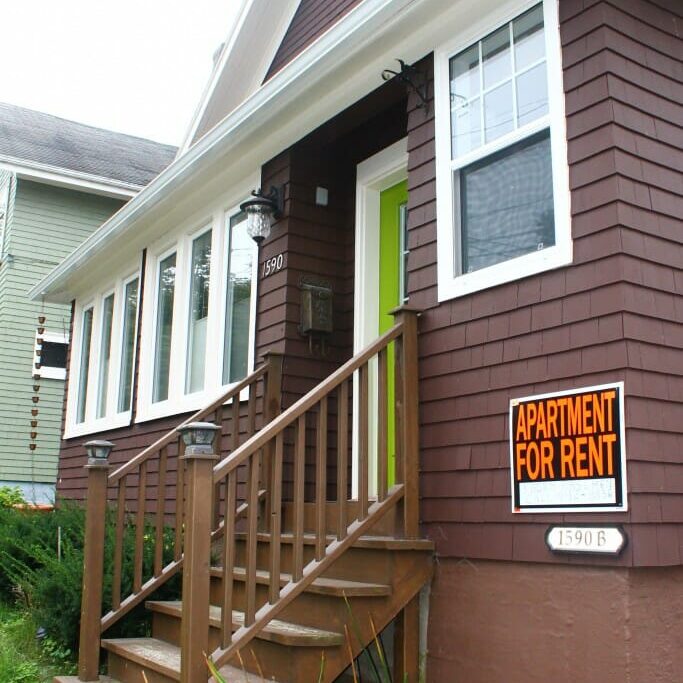
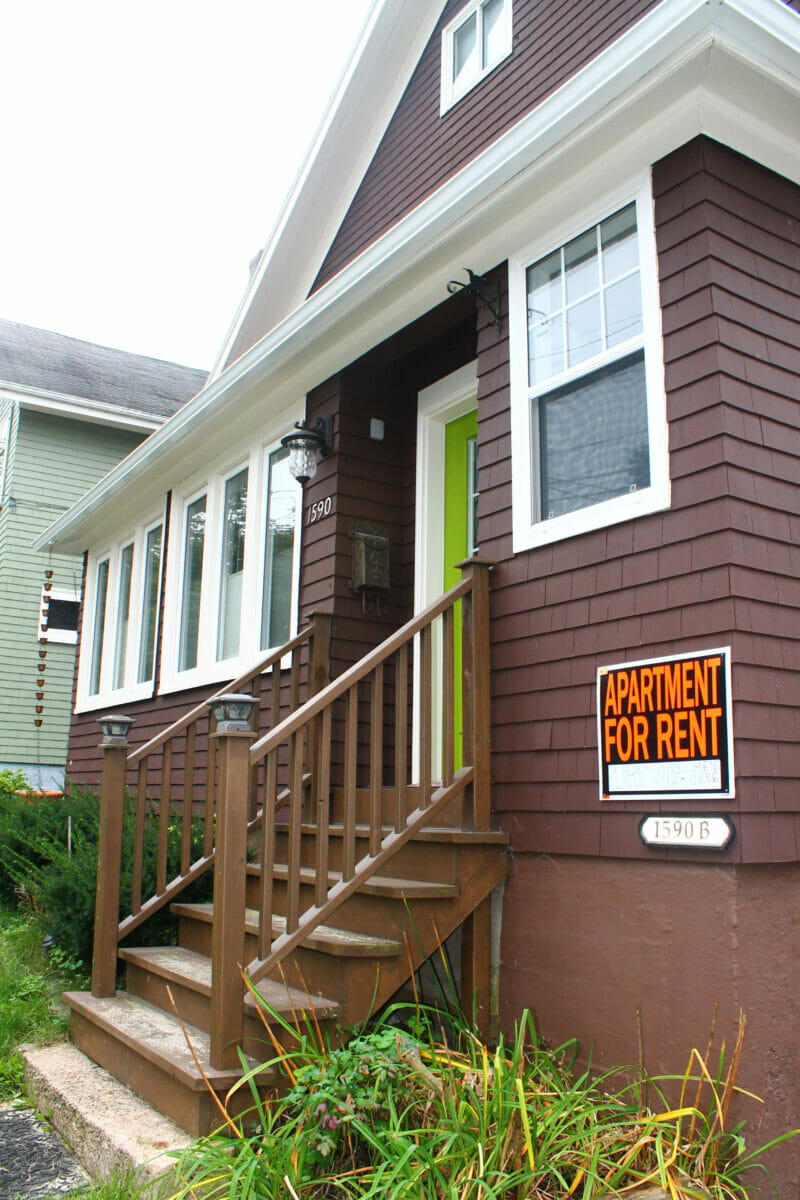
Check out the Access Nova Scotia website for info on tenant rights and responsibilities (Photo by Amanda Rolfe)
As we all know, a large percentage of Dal students are from outside the province. This means the majority of students here are renting places in the city while they work on getting their degrees, making it a landlord’s market. As a result, rent increases consistently and landlords don’t seem to have too much trouble finding people to occupy their properties.
Being one of those out-of-province students who has rented and subletted in Halifax for the past three years, I’m no stranger to the leasing game. Which is why every year at the end of my lease, I scrub the place from top to bottom with my roommates to ensure we all get our damage deposits back.
If you’re unfamiliar with renting, tenants hand over a damage deposit, usually half a month’s rent, to hold their place when they sign their lease. Essentially, damage deposits are meant to ensure the landlord has a way of covering repairs without having to pay out of their own pockets if damage is done during your tenancy.
It seems to be a trend, though, that damage deposits are being used as a method of threatening tenants to go above and beyond in hopes of having their money returned to them. Landlords are giving out long lists of cleaning tasks to be done before people move out, stating the damage deposit will not be returned, for example, if the oven is not cleaned. I have experienced this, and so have a number of my friends in their own houses.
As a curious tenant, I looked into it and found some interesting information about the damage deposit. According to the Access Nova Scotia website, landlords actually need your written consent if they decide to keep the damage deposit. There is also no mention of having to clean the property before leaving.
Of course, it’s common courtesy to leave a place cleaner than you found it, but from my understanding of tenant rights, landlords shouldn’t be taking $275 from you for not wiping down the refrigerator. The Tenancy Act also says tenants are not responsible for the normal deterioration of the property, so if you didn’t technically damage it, you shouldn’t have to worry about not getting your money back.
Ultimately, it’s important to realize that landlords are probably not going to tell you your rights if it means they might make some additional cash off of your ignorance. As a tenant, make sure you know your rights—it’s the best way to prevent landlords from taking advantage.

Read more from the gazette

The AUS to ACAA pipeline

Chartwells manages half of SUB food vendors after Abstract takeover

Africville tribute on display at Nocturne

Tigers defeat Moncton 3-2 in a dramatic overtime finish

The Gleeboot could save lives