
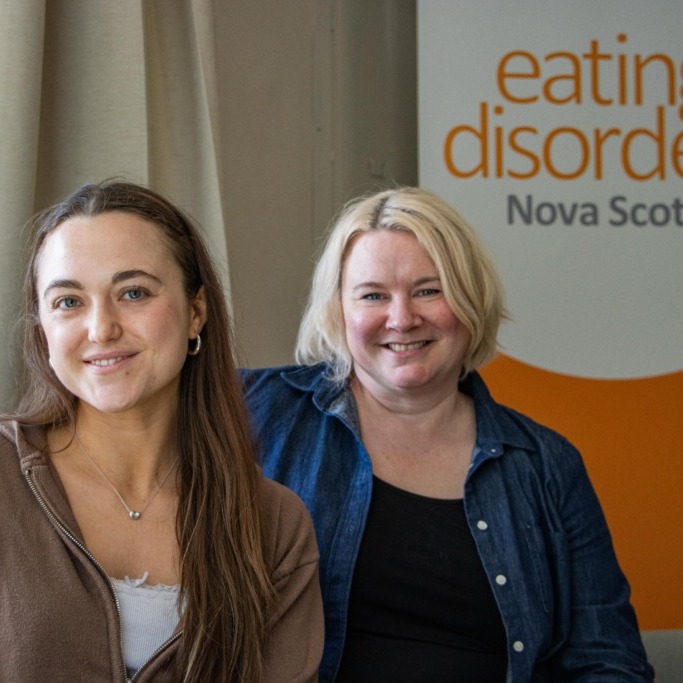
New Halifax centre offers judgment-free eating disorder support
Eating Disorders Nova Scotia partners with Dal society for peer support
April 14, 2026 / Allie Zavagno
Editor’s note: Gaia Hake is a member of the Dalhousie Gazette Publishing Society’s board of directors. The board of directors has no involvement in the editorial content of the Gazette.
Halifax’s first eating disorder therapy centre opened on March 23, offering in-person support for people of all ages.
“We can organize and have programs with people here — it’s our own production,” said Shaleen Jones, the executive director of Eating Disorders Nova Scotia.
EDNS previously offered virtual and community-based programming, but this is the organization’s first permanent, non-clinical space.
The opening of the Agricola Street centre marks a significant step for eating disorder support in Nova Scotia, said Jones.
By creating a physical hub for peer support, EDNS aims to reduce isolation, make recovery resources more visible and provide an entry point for those not ready to seek formal treatment.
“There’s no pressure to do anything,” said Jones. “You can come in and hang out with the art, play with the puppy, and you never have to come back or do anything after that.”
She said the organization wants people to feel welcome and comfortable, and its staff and volunteers are there to help with next steps.
Catherine Armour is a program assistant at EDNS and the founder of the Ninety Percent Society at Dalhousie University, a student-led group dedicated to eating disorder awareness and education.
The society creates a safe space for discussing body image, mental health and eating disorder treatment.
Gaia Hake, the society’s co-president, said that EDNS has been a key community partner, helping the Ninety Percent Society provide crucial peer support.
“Having a dedicated physical space makes such a big difference for eating disorders and eating disorder awareness,” said Hake. “It makes it feel a lot more real and less intimidating.”
Jones said making connections is a critical part of starting the recovery process.
“Eating disorders thrive in isolation and are driven by shame and stigma,” she said. “Having a space people can come and feel at home and not feel judged … that’s the power of peer support.”
Hake said the society seeks to combat that feeling of isolation, ensuring people who are struggling don’t have to seek treatment alone.
“It’s really important to me and to the other people in the society … because it’s a hard conversation to have, we’re not giving up on it,” she said.

Read more from the gazette

KSU council to choose new interim president on Sunday
The Student Chef – Corn Chowder

BREAKING: KSU president resigns
BREAKING: Faculty union holds vote of no confidence in Dal president, others
Make-A-Wish partner society founded at Dalhousie