Q&A with DSU presidential candidate, Anjali Seshadri
The DSU general election’s voting period is from Feb. 10 to 11
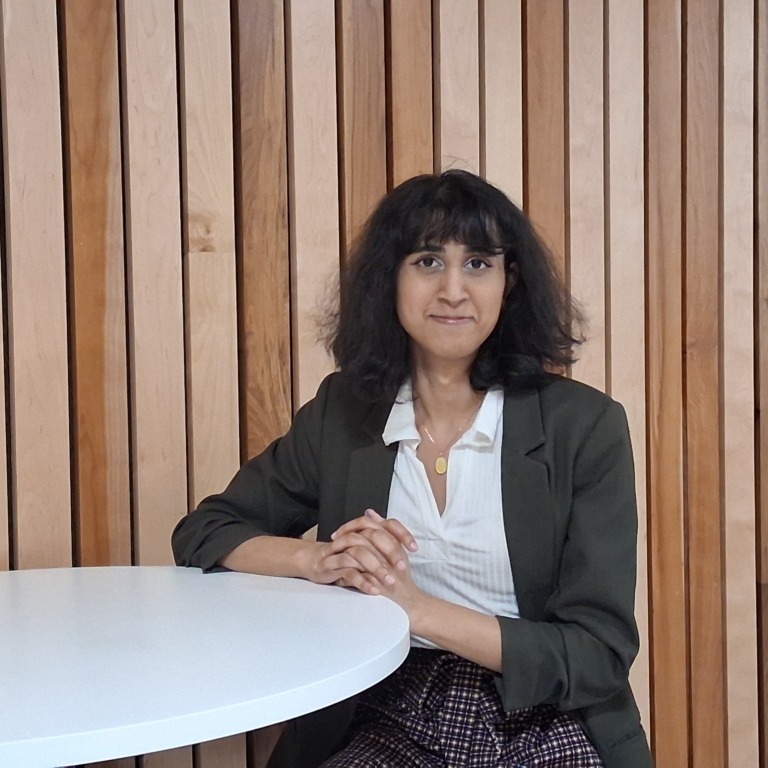
Anjali Seshadri is a third-year applied computer science student campaigning to be the Dalhousie Student Union’s president for the 2026-27 academic year.
Seshadri is running against Mia Jager, the sole other candidate campaigning for the role. The DSU’s general election voting period runs from Feb. 10 to 11.
Currently serving as DSU 2SLGBTQIA+ students’ community representative, Seshadri says she aims to foster a collaborative environment where student voices and concerns are heard.
This interview has been edited for clarity, grammar and length.
Why are you running for this position?
In my council work, I saw a lot of opportunities for improvement in the DSU. Talking to students, a lot of them either don’t know much about the DSU, or they don’t know how to contribute or participate in the different initiatives that are happening. There’s a lack of clarity and transparency, which also ends up happening at council, where councillors aren’t really in the loop about initiatives that are going on and feel lost. I want to [change that].
What previous experience do you have that makes you the best candidate for this position?
I’m a member of the oversight committee and the bylaw and policy review committee. We finally just wrapped up a set of insurance town halls that were run in collaboration with DalOUT. We got a lot of student feedback about the types of care that people require for the student health plan, and increasing the coverage limits so that people don’t have to pay so much out of pocket.
What are the three most important things your campaign is based on?
I want the union to be more open and transparent, which also means that the president needs to be open and transparent. I will properly advocate for students at the university senate and board of governors. I will follow through on the different objectives and plans. My campaign is largely based on modifying the council and the committees of the union. There are a lot of improvements that can be made to make council more collaborative. It’s very procedural right now; that type of formality tends to get in the way of student action.
Following this year’s lockout and lost class time, how will you support students in receiving tuition refunds?
It’s important that we make good use of the executive committee that we have at the union, the vice-president academic and external can advocate for students on behalf of the students for items such as tuition [refunds]. We will also offer academic flexibility and accommodations. I’m willing to show any public support for initiatives that are brought by the executive committee.
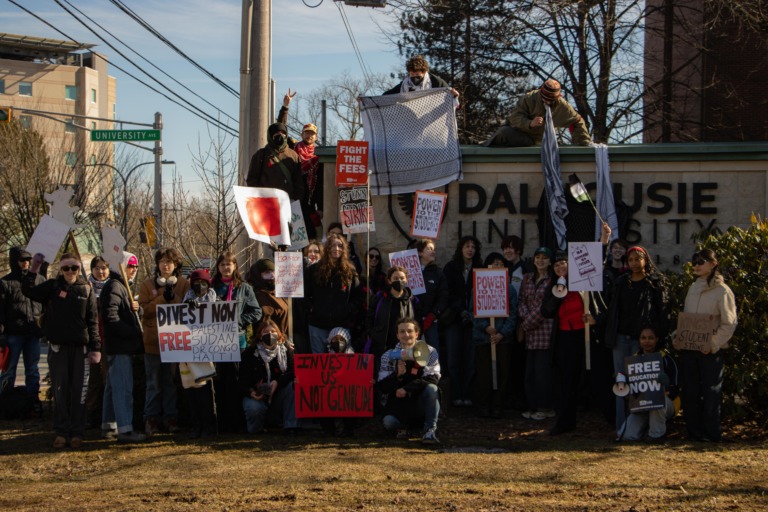
Maren Mealey, the current president of the DSU, campaigned on working on Dalhousie’s divestment from Israel. Is that something you plan to continue during your potential term?
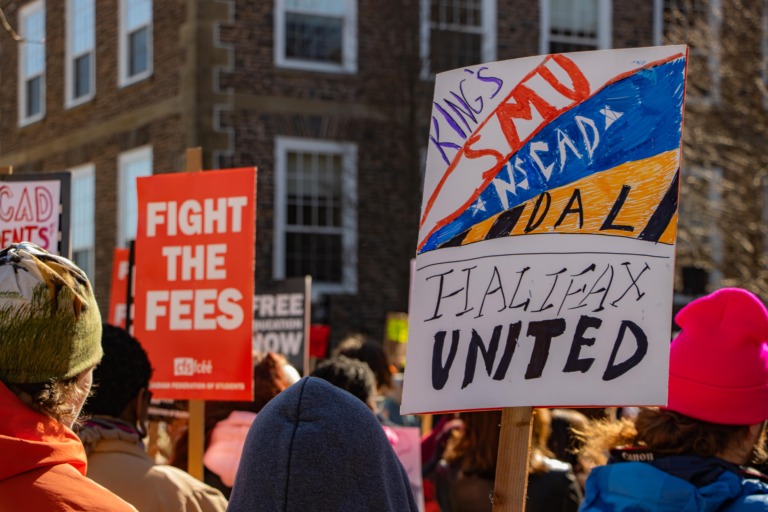
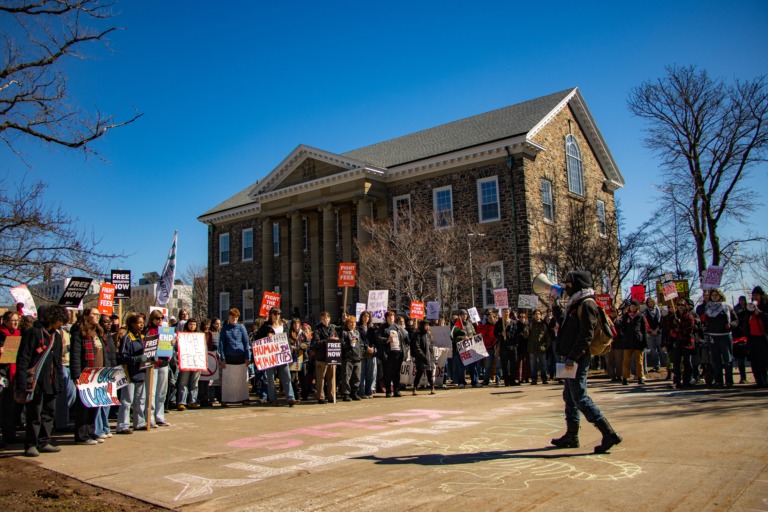
Yeah, there are some current student initiatives that are calling a special general meeting of the union to have a strike vote, possibly over the two big demands, which were divestment and keeping tuition from increasing. I’m definitely willing to show public support for those things as president.
What would you do differently compared to the current DSU executive team?
Being part of the oversight committee gave me a little bit more of an understanding of how the current executives are approaching their work. I would like executives to be a lot more open to students, to be able to host office hours and actually do student consultative feedback. This could be through holding town halls or more general meetings aside from just the big annual general meeting that happens. That way, executives stay in touch with what students want.
Is there anything else the student body should know about you or your campaign?
Regardless of how the election turns out, I want students to know that they should keep trying to participate in the union. Student participation is what drives student unions, and to not have student participation, it’s really difficult for students to get the gains that they want in tuition and in their academics. If elected, I want students to feel free coming to me and talking about different problems they’re having at the university.