Q&A with DSU Black students’ community representative candidate, Eve Wedderburn
The DSU general election’s voting period is from Feb. 10 to 11
February 10, 2026 / Joshua Smith
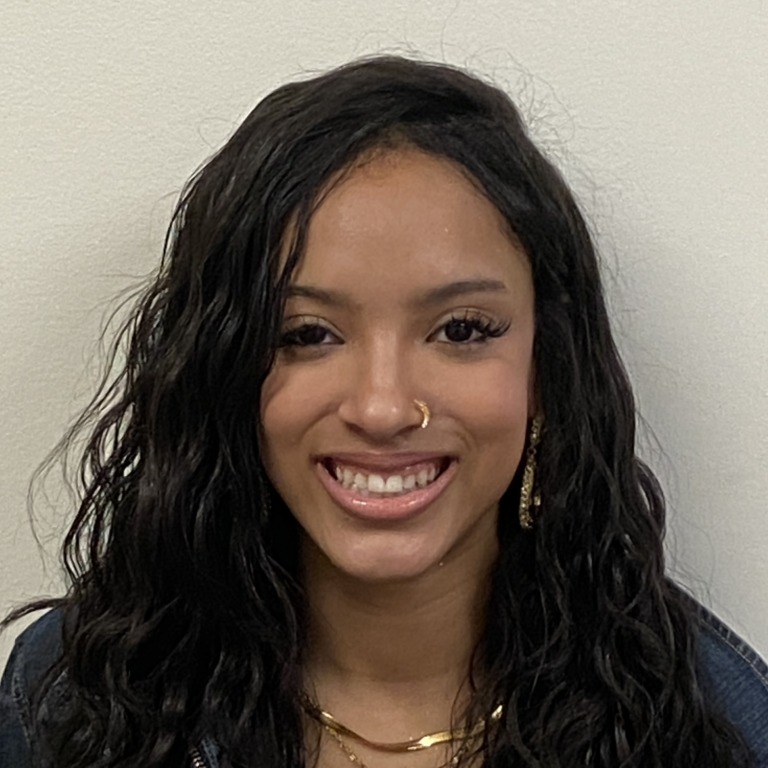
Eve Wedderburn is a third-year medical sciences student running in the Dalhousie Student Union’s general election for the Black students’ community representative position.
Wedderburn is running unopposed for this position as the incumbent. She currently occupies the role after a successful uncontested campaign in last year’s election.
This interview has been edited for clarity, grammar and length.
What have you learned in your first year as Black students’ rep?
The main thing I’ve learned is that there are a lot of things we don’t know about what the DSU does. It’s been nice to see how they function, and then getting to be in a space where decisions are made and having your opinion set forth. Another thing I’ve learned is the power that students hold here at Dal.
Is there anything you’ll do differently next year, based on what you’ve learned?
One important thing I would do differently is being a little bit more [proactive] in analyzing and reading official documents, such as bylaws, because a lot of the time, it’s nitpicky and specific. Being able to have a locked-down understanding of how the DSU operates is super important and something I’m learning.
What are you most proud of accomplishing in this role?
Last year, I started the ad-hoc Black student leadership committee. That’s been a really rewarding experience and definitely my largest accomplishment. It’s been nice to work with a committee of students that has a shared goal and to be able to figure out what our ideas are and how to make them something that’s tangible. We’re working on a documentary that we’re going to be filming about the Black experience at Dal, and that’s been super exciting.
What still needs to be improved for Black students at Dal?
The resources we have, like the Black Student Advising Centre and the admissions pathways, have been really helpful, but I still think a certain level of cultural competence needs to be achieved by everybody across the institution. People across the diaspora face very different challenges compared to the average Dal student. Whether it’s people from here or people from away, understanding how they can be assisted in a way that makes them feel incorporated in the community is really important. Making sure they feel seen and heard, understanding their perspectives and how every individual needs different resources and diversifying those resources so they’re accessible.
You made headlines in 2019 when you posted a video on Twitter inviting Barack Obama to your junior high school before he spoke in Halifax. Did you know back then that you wanted to advocate for Black students in the type of role you’re in now?
I’ve always had a passion for working in advocacy. I would say the broad idea, yes, maybe not the specific, but it’s always been something in the back of my mind that I’ve wanted to do. Even when I knew that my path was going to be more science-centred — even though science and activism shouldn’t be separate — I still wanted to be involved in the community. I still want to advocate for people when I can because there are different levels of privilege in the communities as well. So, in the grand scheme of things, yes, but it’s been nice to kind of have that passion within me that I can now use at a larger scale.

Read more from the gazette
KSU council to choose new interim president on Sunday

The Student Chef – Corn Chowder
BREAKING: KSU president resigns
BREAKING: Faculty union holds vote of no confidence in Dal president, others
Make-A-Wish partner society founded at Dalhousie