One step forward, 100 years back: traditionalist conservatism is in full swing online
Traditional conservative values are dangerous
March 12, 2026 / Bimpe Abayomi
I’ve heard 2026 is the new 2016, but from where I’m standing, we’re heading further back than that. Traditional conservative values are on the rise online, and it’s something we shouldn’t ignore.
As a chronically online pop culture lover, I’ve seen the resurgence of conservative values take over spaces that once felt safe.
My favourite creators in communities like anime, gaming and comics are becoming increasingly more right-leaning, along with their fan bases. The growing culture of exclusivity and the lack of representation in these spaces make me feel unwelcome.
As someone with hobbies and interests in primarily male-dominated spaces, I’ve had many experiences being fact-checked or quizzed on my knowledge. As annoying as this is, it’s only the beginning of discriminatory behaviour.
More and more, I’ve witnessed bullying within fandom spaces based on race and gender. Countless Black cosplayers have been barraged with racist hate comments and messages after cosplaying non-Black characters, claiming it’s inaccurate or disrespectful.
Shirleen Mabeya, for example, a Black model and cosplayer, was flooded with hate comments after cosplaying Rin Tohsaka from the anime Fate/stay night. This behaviour is what makes me and many others wary of cosplaying online and at anime conventions. The risk of hate just doesn’t make cosplaying feel worth the effort, time and money.
The gaming community isn’t much better. One of the first times I played a video game, I played Overwatch on my older brother’s PC and used voice chats. When the other players, who were mostly men, heard I was a girl, I was barraged with comments like “Go back to the kitchen” and repeatedly called a bitch.
To say I was revolted would be an understatement, but this one experience reflects a deep misogyny that runs rampant within the community — and often in the games themselves.
Take the controversy that surrounded the 2025 release of Ghost of Yotei, when the main male character of the prequel game Ghost of Tsushima, Jin Sakai, was replaced with a woman, Atsu.
Fans went so far as to boycott the game because of a simple change in character, while more problematic games receive far less criticism.
Sexist games like Duke Nukem Forever involve kidnapped women being impregnated by aliens and the hero receiving lap dances for completing tasks. The disgusting objectification of women should receive more scrutiny than the mere existence of a female character did.
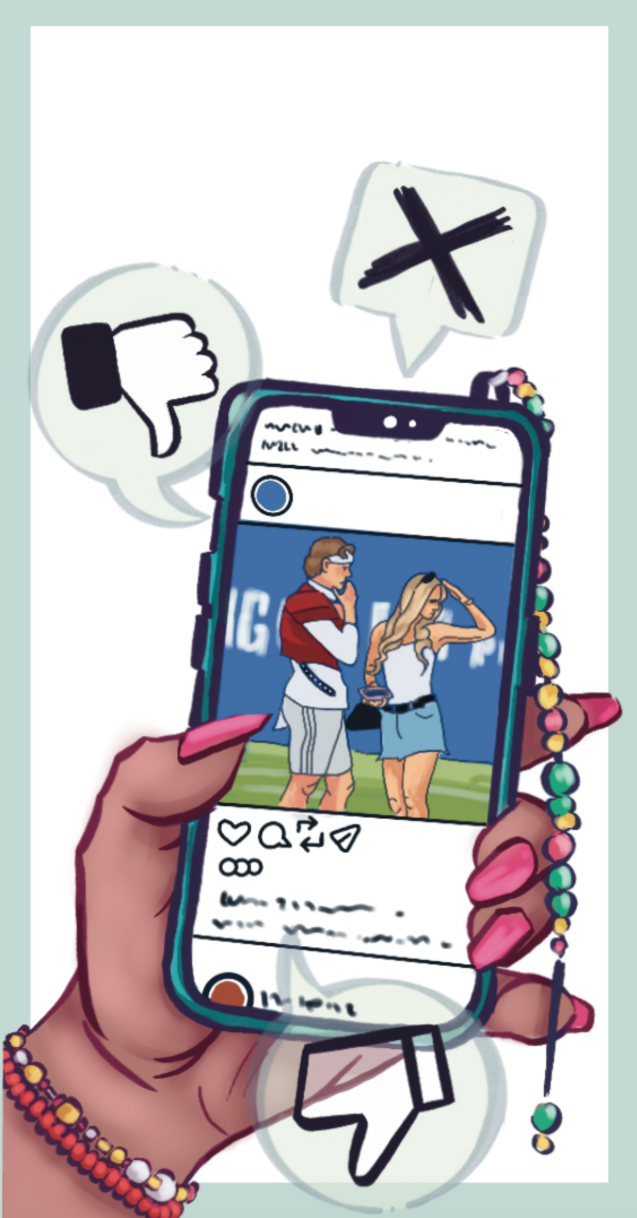
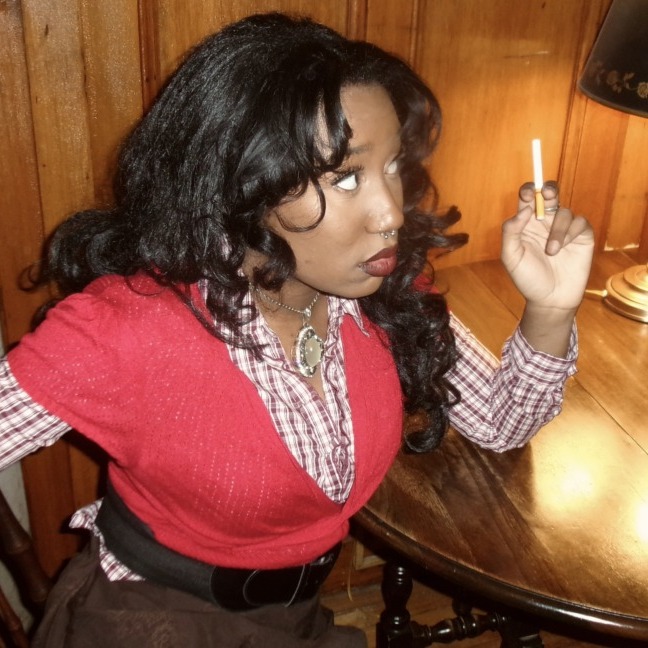
But female-dominated online spaces, like fashion, aren’t exempt from this rise in conservatism either. It’s mirrored in the recently popular aesthetics like coquette, tradwife and vintage Americana, which are connected to and often associated with traditional conservative values.
They’re all hyper-feminine, drawing inspiration from mid-20th-century fashion, featuring long hem lines, high necklines and delicate fabrics and patterns. These aesthetics subtly reinforce traditional gender roles that encourage women to dress modestly and behave “properly,” overlapping with broader cultural messages urging women to prioritize the nuclear family, child-rearing and homemaking.
The rise of the “clean girl” aesthetic reflects similar backwards priorities. The neutral clothing, dewy skin, performative wellness and the appearance of no effort are reflective of the Christian, purity culture-driven idea that beauty amounts to cleanliness and modesty.
The problematic notion of “cleanliness” implies an opposing unclean or dirty girl — a notion with deep roots in racism, linking whiteness to cleanliness and presenting black and brown skin tones as dirty.
While the clean girl aesthetic is far from how I choose to style myself, the lack of representation within that trend still negatively affects me — and others. Women of colour and plus-sized women who enjoy this aesthetic deserve style icons they can see themselves in.
This lack of representation furthers the feeling of otherness already experienced in everyday life and discourages minorities from expressing themselves. It’s not fair that there are relatable fashion figures for a few people and little to none for the rest of us.
The rise of conservatism online leads to this lack of representation; minorities don’t feel safe in these spaces because of derogatory attitudes. No one should feel threatened while playing a video game. No one should feel unwelcome or unwanted in online communities they’re passionate about.
But it’s also a cyclical problem. If there’s no representation in these spaces, we’ll never be able to move beyond the harmful traditionalist conservatism that excludes us in the first place.
The problematic trends involving cosplay and fashion are easy to dismiss as online gibberish, but the normalization of hate doesn’t stay online.
When prejudice becomes routine, it allows people to rationalize small-scale injustices within their own communities or social circles — and even systemic inequality and state-sanctioned violence.
The time for widely accepted prejudiced behaviour is over — no matter how clearly or subtly it may present itself.
As the saying goes, out with the old, in with the new. It’s not the 1900s anymore.

Other Posts in this category

Make-A-Wish partner society founded at Dalhousie
DSU rehires same security contractor for DalFest after alleged assaults last year, adds new safety measures

Tony turns Provincetown into Hollywood
Meta’s AI glasses are for perverts
MacLeod is out of tune with Nova Scotians