
Dal board of governors chooses not to vote on divestment motions
DSU president attempted to table motions in a board of governors meeting on March 24
April 9, 2026 / Jonas May, Dylan Follett
By: Jonas May, news editor and Dylan Follett, assistant opinions editor
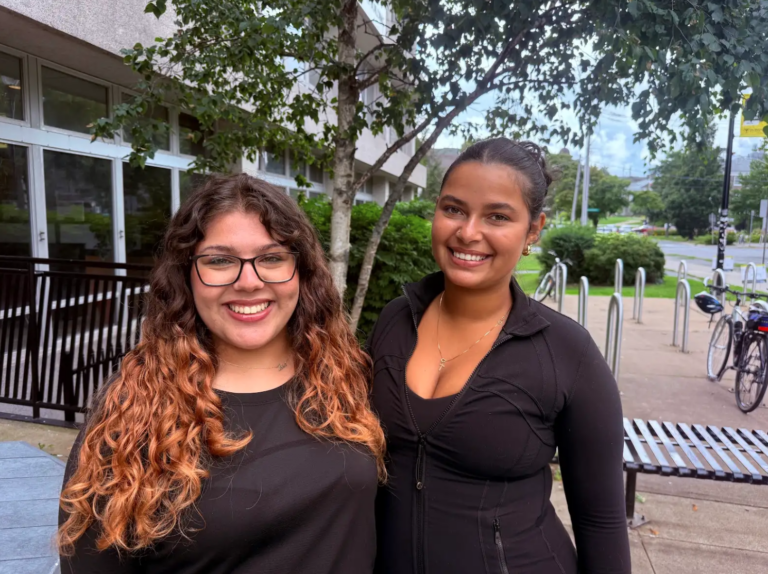
Dalhousie University’s board of governors chose not to vote on divestment motions presented by Dalhousie Student Union president Maren Mealey at a March 24 board meeting, instead sending them to the university’s financial committee for review.
Mealey tried to add two motions to the meeting’s agenda, calling for divestment from entities related to fossil fuel production, weapons manufacturing and human rights violations.
The motions’ contents weren’t presented to board members.
Cheryl Fraser, board chair, advised that the motions be passed to the board’s investment committee and before being tabled at a future finance, audit, investment and risk committee meeting.
Janet Bryson, Dalhousie’s media relations director, confirmed in an email to the Dalhousie Gazette that the motions have been referred to the FAIR committee. The next committee meeting is scheduled for May 7.
The Gazette requested to speak to a member of the FAIR committee; Bryson instead provided a statement confirming that the FAIR committee will decide how to proceed with reviewing the motion.
Jay MacIsaac is a member of Dalhousie’s board of governors and the FAIR committee. During the board meeting, he strongly suggested that board members not mandate specific divestitures of assets from the university’s endowment fund until they’re reviewed by the FAIR and investment committees.
“Otherwise, it just puts the members of this body at risk,” he said in the board meeting. “We’re not going to get into the business of picking stocks one way or the other.”
Mealey hopes to present the motions at the upcoming committee meeting, but hasn’t received confirmation despite multiple email requests.
Her term as DSU president ends on May 1, which she said could cause “unfortunate complications” in the motions’ proceedings.
The proposed motions align with divestment goals from the province-wide student strike — which the DSU supported — that took place in Nova Scotia from March 15 to 21.
One of the strike’s demands was that the university divest from entities invested in weapons manufacturing, fossil fuels production, genocide and the exploitation of sovereign Indigenous land.
Related: Organizers wrap up Nova Scotia’s first provincial student strike
Members of Dalhousie’s administration met with Mealey and a Dalhousie strike organizer to discuss the movement’s goals towards the end of the strike.
She described the discussion around divestment at this meeting as frustrating.
“It did feel like there was a strong opposition from the institution around [divestment] despite it being a persistent student issue,” said Mealey.
Motions target divestment from 24 entities in Dalhousie’s endowment portfolio
The motions’ chosen entities for divestment are based on Dalhousie’s most recent public list of holdings from March 31, 2025.
The DSU chose 19 entities related to fossil fuel production and five entities for divestment based on weapons manufacturing and human rights violations.
Both motions called for Dalhousie to divest from the listed entities within one year. If passed, the university would be mandated to divest its endowment fund portfolio from related entities by 2030.
Divestment from the listed entities would follow a multi-year schedule starting in 2026, with annual progress reports submitted to the FAIR committee and board of governors.
Along with the motions, Mealey prepared in-depth rationales for including each company in the divestment list.
She said students don’t want funds from the university’s endowment fund supporting industries they don’t believe in.
“If [Dalhousie] commits to divestment, it’s a real opportunity to build trust between the students and the administration that doesn’t exist right now,” said Mealey.
Dalhousie has pushed back against divestment calls for years
Dalhousie has consistently rejected student calls for divestment from fossil fuels and weapons manufacturing for decades.
In 2013, Divest Dal, a student-run organization, was founded to advocate for Dalhousie to divest from fossil fuels. The year after, the group held protests and submitted a proposal calling for Dalhousie to divest from the 200 companies with the largest holdings of fossil fuel reserves.
In response, a report from the university’s investment committee said that while they shared Divest Dal’s concerns, they were “of the opinion that fossil fuel divestment will not be an effective method to impact climate change.” The board of governors voted to accept the committee’s recommendation and reject Divest Dal’s calls.
Since then, Divest Dal has expanded their goals to include university divestment from weapons manufacturers and investments which profit from genocide and crimes against humanity.
They’ve also begun advocating against Dalhousie’s recent agreement with the Nova Scotian government to spearhead the return of fracking to the province.
Related: Dalhousie given $30 million to research onshore natural gas drilling
Dalhousie has consistently rejected or ignored students’ calls for divestment, including an eight-day encampment on the quad in 2017.
Twelve Canadian universities have committed to divestment.
The university’s board of governors voted against a proposal to divest from companies complicit in the genocide in Gaza, proposed by then-DSU president Mariam Knakriah on March 25, 2025. In response, students occupied the Henry Hicks Academic Administration Building in February 2025, forcing a board meeting to end early and keeping the building closed for a week.
Related: Students occupy the Henry Hicks Building after Dalhousie’s board votes against divesting from Israel
The university didn’t meet students’ demands after the summer 2024 pro-Palestine encampments, which lasted 78 days on the quad and called on the university to disclose and divest from all investments linked to Israel, or after last month’s student strike.
Dal Divest said they’re skeptical about the motions’ odds, but will continue fighting
Leah Walter, a Divest Dal organizer, said she thinks the university has refused to divest because “[Dalhousie] is a colonial institution that is really dead set on making money right now.”
Divest Dal helped Mealey with preliminary research and planning for the motions, including using their divestment list as a foundation for developing the investments included in the motion.
While she said the report is well-researched, Walter feels skeptical about this motion’s chance of success.
“Dal has given me no reason to believe in them, or to believe that they will do the right thing,” she said. “I’ve spent my entire university career fighting for divestment, and they have spent the entire time fighting against people like me.”

Read more from the gazette
BREAKING: Olivia Chaput chosen as KSU interim president
KSU council to choose new interim president on Sunday

The Student Chef – Corn Chowder
BREAKING: KSU president resigns
BREAKING: Faculty union holds vote of no confidence in Dal president, others