Bring back the internet café
Technological regression, AI filmmakers and cybersex; basically, we’re screwed
April 9, 2026 / Emily Claire Russell
My phone is embedded in me like a tick in the side of an animal. Self-help gurus will say to lock it in a safe for 30 days or take up the torch of a “digital detox.” But these Band-Aid solutions just show the scale of the real problem: we live in a coercive, parasitic technology culture.
No matter how long I retreat, I eventually return to the inescapable digital realm, like a fish to water.
It’s April, and school has ramped up to a high-pitched rattle, a frequency that doesn’t relent until final exams sputter to an end. As we wait for our morning lecture, wrung out and exhausted, my classmate laments about the number of hours they stare at a block — the inescapable screen that’s the site of our learning.
“Bring back the pen and paper essay,” they say, and I agree. But we sigh, thinking of the assignments that must be typed up by Thursday, Friday and Sunday night. The screen remains close at hand.
I used to justify my time online in the name of “staying connected” — to keep some tether to the happenings of the world. But I’m growing skeptical of the integrity of this “connection.”
In a time of digital spaces, where our sense of reality is increasingly corrupted, can we ever get back to a time before?
Young people are looking for a saviour and finding reprieve in digicams, 35 mm analog film, MP3 players, brick phones, landlines, typewriters and pen and paper. We’re in a moment of technological regression that’s about more than just nostalgia.
We can’t go back to sending scrolls by pigeon or pony express. We desperately need alternatives. But I’m wary of the fetish involved with a movement like techno-regressionism.
I recently saw a belt made of iPod Nanos on my Pinterest feed. Even the physicality of old technology comes with its own consequences. At the end of the day, everything we produce ultimately becomes waste.
But we hear less about the e-waste that leaks into torrential rivers of garbage and the AI data centres that pull water from our drinking sources by millions of gallons.
You can no longer “just Google it” without being complicit in this unseen pollution.
Never mind AI, the entire internet world no longer interests me. I don’t want to know about Clavicular and the phenomenon of looksmaxxing. I don’t want to know about cybersex. I want the physicality of sex, sans cyber. If you want to say it’s a matter of accessibility: cybersex for all. Well, I’d rather be celibate.
I spent the first years of my life as a toddler running around a small-town gift shop where my hippie mother sold gemstones, tarot cards and New Age philosophy books.
It was also Bobcaygeon’s first internet café. Just after the turn of the millennium, back when the internet was still tethered to the earth, and there was no talk of phones gaining consciousness beyond the warnings from The Terminator (1984), which we watched on DVD.
Since then, we’ve been boxed in and coerced — what the hell do we do now? Shoot analog film for $30 per roll? Groceries are hard enough to cover, let alone the sheer indulgence of using bygone tech.
Yes, I’m addicted to digital technology. But equally, I’m addicted to reality, and it’s under threat. I’m more paranoid than I’ve ever been in my life.
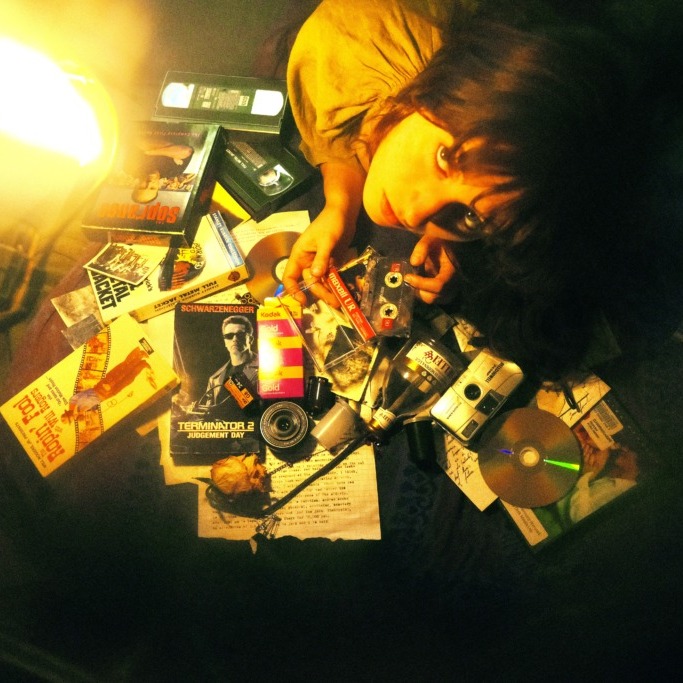
In the end, all I can say is that I find some solace in watching The Sopranos on a 99-cent VHS tape from the Salvation Army, because that way I know with certainty that what I’m seeing is real.
In the glow of the rabbit ear television, an elephant of a machine, I feel momentary relief from my constant vigilance. Physical media provides access to truth, a truth that’s now expired, lost its validity and become plastic like everything else in our digital realities.
Just let us go back to the time of the internet café.

Read more from the gazette
Olivia Chaput chosen as KSU interim president
KSU council to choose new interim president on Sunday
The Student Chef – Corn Chowder
KSU president resigns
Faculty union holds vote of no confidence in Dal president, others