‘It’s About Time’ for Black art
Dalhousie Art Gallery exhibit highlights Black dance in Canada
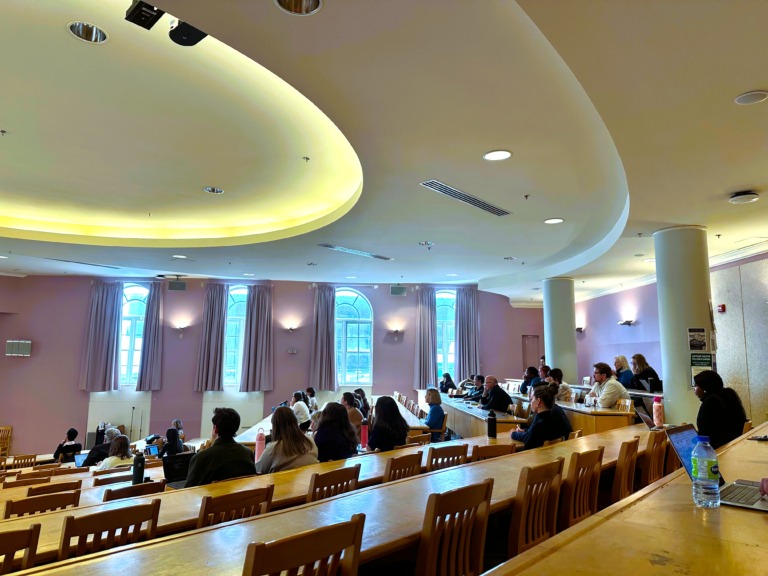
“It’s About Time: Dancing Black in Canada 1900-1970 and Now,” opened at the Dalhousie Art Gallery on Jan. 22 to a packed room of professors and art enthusiasts.
“You always go into these projects hoping people will have an interest, but we never expected both the number and the response from people,” said Seika Boye, the curator of the exhibition.
The exhibition highlights the history of Black dancing in Canada, exploring how dancers, choreographers, communities and cultural movements “shaped social life across the country,” according to the Dalhousie Art Gallery’s website.
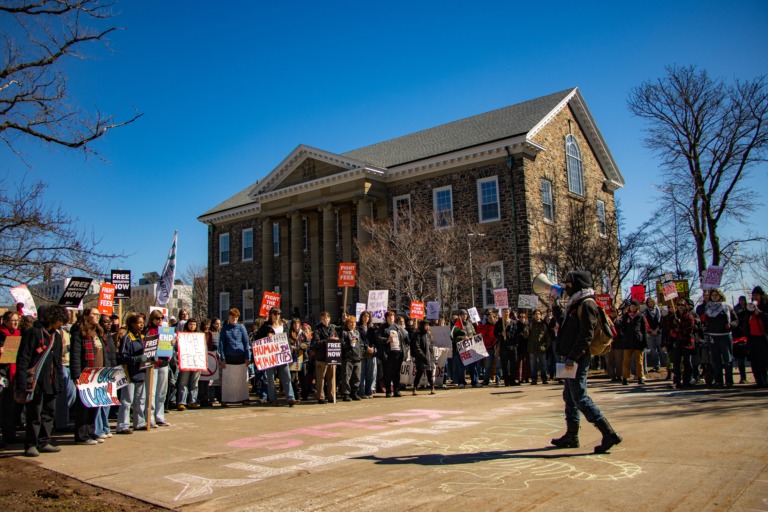
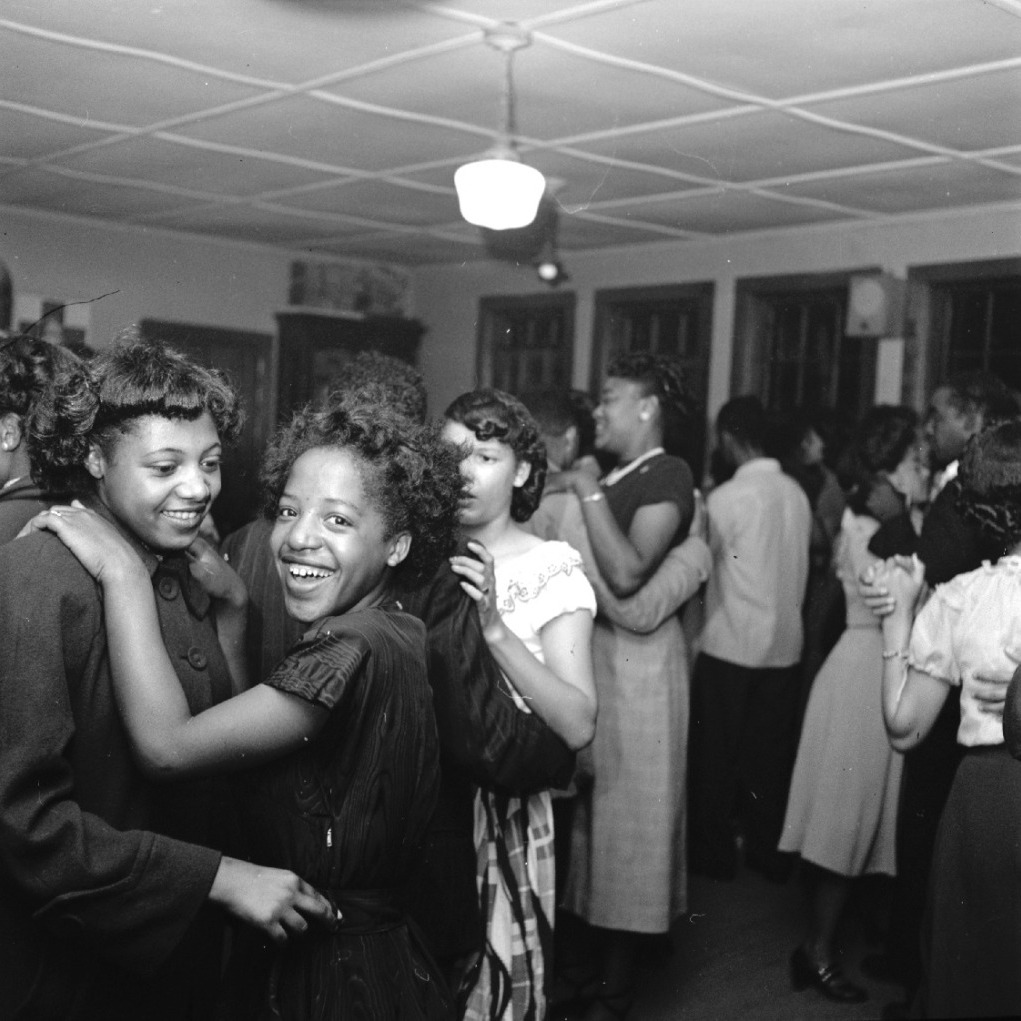
It utilizes newspaper clippings, old photos and past media coverage to demonstrate the history of dance at concerts, dances and protests.
“I’ve spent my life in dance, and it’s easy to overlook it as a site for exploration about society, and about who we are and how we relate to one another,” Boye said.
The exhibition was originally commissioned by Dance Collection Danse, a national archive dedicated to preserving the history of dance culture in Canada.
Amy Bowring, the executive and curatorial director at DCD, spoke about the importance of the archives.
“By hanging on to all of the tangible elements that are created around dance, we can go to some measure in recording its history,” she said.
“It’s About Time” was first exhibited in 2018. Since then, it’s travelled to different Canadian galleries and universities, adding a twist at each venue.
At every new location, Boye incorporates geographically relevant pieces, including installations by local artists.
“Their perspectives are what make this iteration unique, along with the new archival materials, and it’s been a real honour getting to know them,” Boye said.
The exhibition grows as Boye travels and finds new archival pieces.
“Every time something new turns up, even after all of this time researching, there’s renewed validation about the importance of continuing to do this work,” she said. “In Nova Scotia, we’ve just barely scratched the surface.”
The exhibit examines how Black Canadian dancers have built community and resisted racism.
“It’s really asking the question: where were Black people allowed to dance?” Boye said. “And if they were allowed to dance somewhere, what kind of dancing were they allowed to do?”
Bowring said collecting pieces of art history is crucial.
“It’s the most ephemeral of all of the arts, right? It’s not like you can hang it on a wall,” said Bowring. “It’s not self-recording. It happens in a moment, and then it’s gone, and you either catch it or you don’t.”