Nova Scotia student strike a ‘testing ground’ for growing national movement
Despite weak participation, organizers say it provided lessons and growth for the student movement
The recent province-wide student strike set a precedent and provided lessons for student movements and potential strikes in other provinces, student organizers say.
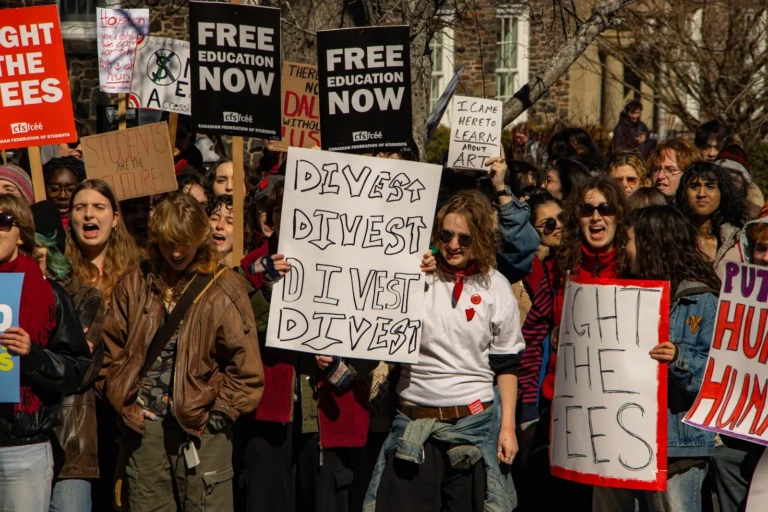
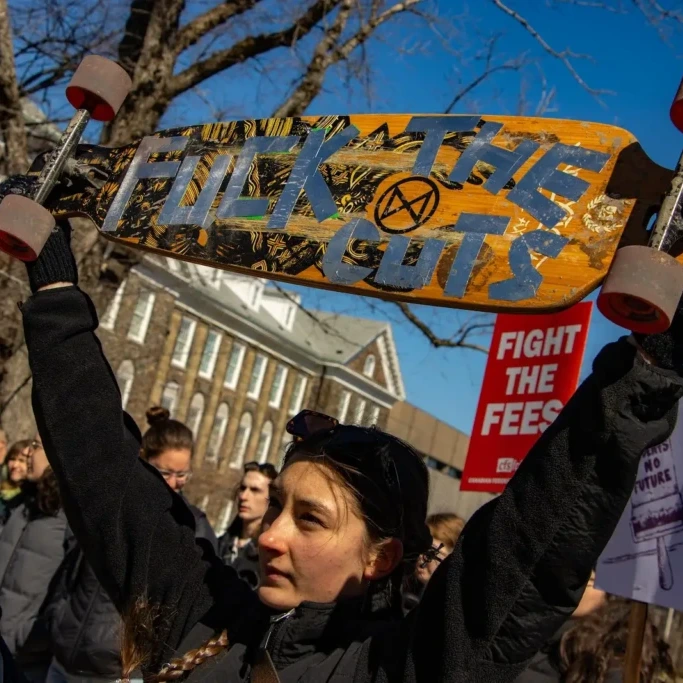
The Nova Scotia student strike lasted from March 15 to 21. It was the first province-wide student strike in Canada outside of Quebec.
The movement’s goals included affordable tuition — including a 20 per cent tuition cut and the end of differential fees for international students — and divestment from entities invested in weapons manufacturing, fossil fuels production, genocide and the exploitation of sovereign Indigenous land
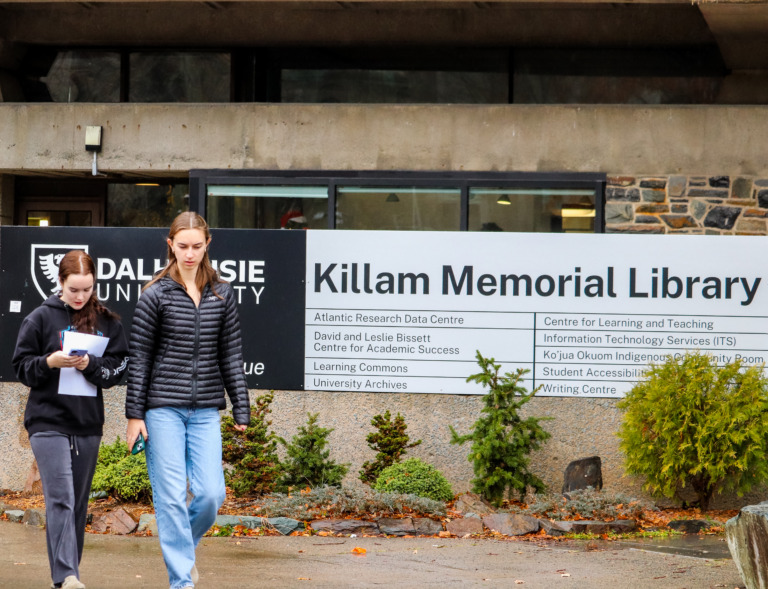
Despite most Dalhousie University students not participating in the strike, some student organizers say the strike was successful in building capacity and setting an example for future student movements.
Abdullah Al-Jabji, the founder of Ontario Students Against Austerity, a student-led organization advocating against tuition hikes and student funding cuts, visited Nova Scotia to learn from the strike.
“This strike is essentially the testing ground for future strikes in the rest of the country,” he says.
Related: Nova Scotia students rally at Dalhousie during week-long strike
OSAA has preliminary plans for a limited strike in November 2027. Al-Jabji says that critiques of the movement’s initial attempt should be used as lessons for future student strikes, rather than as failures of organizers.
After a series of high-profile cuts to education spending across multiple provinces this year, interest in student strike actions has grown.
Eddie Zhang is an organizer with Ontario Students Against Austerity who helped organize a strike policy vote at McMaster University. The vote passed a binding motion on March 13 to develop a new student strike policy.
The motion mandates that McMaster’s student union write a policy outlining the methods and structure of a potential strike. Zhang is helping draft the policy and says he’s discussing tactics with Nova Scotian and Quebec organizers.
“Hearing that Nova Scotia was striking definitely fueled a lot of movement here,” Zhang says.
Nova Scotia Student Strike’s joint demands of divestment and tuition cuts are something Ontario organizers like Zhang want to emulate, as recent loan and grant cuts have shifted attention away from divestment.
Zhang says they will continue to organize and communicate with Nova Scotia Student Strike organizers throughout the summer.
The University of Toronto, the Ontario College of Art & Design University and the University of Guelph are also building towards strike policies in the province.
In Quebec, thousands of students went on strike last week, protesting against provincial government austerity.
The Coalition de Résistance pour l’Unité Étudiante Syndicale — representing 30,000 students through member student associations at multiple institutions, including Concordia University, Université du Québec à Montréal and the Université de Montréal — organized the strike.
Quebec has historically seen more student action than other provinces, including multiple successful province-wide strikes. Naïma Le Nédic, a CRUES executive, says she is pleased to see students in other provinces taking action.
“If we can be united against the government for a better life, I think that we can have some of the demands met,” says Le Nédic. “I’m really happy that we are not alone.”
Le Nédic says the union is in communication with student organizers in Nova Scotia and France. She says they’re watching other provincial movements and plan to reach out to other student groups across Canada to share their knowledge and experience.
Nédic says CRUES plans to build Quebec’s recent one-week strike into a two-week strike next fall, and, if demands aren’t met, an indefinite general strike next spring.
“I [hope] that the other students will keep striking, keep fighting to better their lives because it’s very important not just in Quebec but in Canada in general,” says Nédic.
In New Brunswick, proposed cuts to post-secondary education in February led to student outrage and protests. In March, the cuts were reduced to a funding freeze on university operating grants.
The threats to post-secondary funding catalyzed protests from students across the province, raising the profile of a possible strike.
“[The New Brunswick sentiment] is similar to the one we’re seeing not only in Nova Scotia but also in Ontario and across Canada,” says Ana Lucía Pavón, president of the St. Thomas University Students’ Union.
Pavón has organized protests with multiple other New Brunswick universities and met with N.B. Premier Susan Holt to argue against the cuts.
Pavón, who’s in contact with Ontario and Nova Scotia organizers, says the possibility of a provincial student strike depends on the government’s response to students’ demands.
Other universities in New Brunswick are also engaging in student activism, including at Mount Allison University, where students occupied an administration building on March 27.
Around 20 students affiliated with Divest MTA staged a sit-in outside administration offices, leading the school’s president and top administrators to meet with them to discuss divestment from weapons manufacturers and fossil fuel companies.
“With everything that’s been going on in Nova Scotia and these national calls for these student strikes, we are expanding our message,” said Andrew Knickle, an organizer with Divest MTA.
Members of Divest MTA, who expressed support for the Nova Scotia strike, recently founded New Brunswick Student Strike, a student organization advocating for affordable tuition and divestment.
“A lot of our demands going forward are going to be aimed more at the provincial government and almost directly mimicking [the strike] in Nova Scotia,” he says. “The other provinces have been a huge inspiration and a lot of us have been trying to collaborate and work towards a sustained and potentially national call for a strike.”
Knickle says, depending on capacity, a New Brunswick student strike could happen next year or in 2028.
Ontario, Quebec, Nova Scotia and New Brunswick are all connected to the loose National Student Strike coalition. There are also smaller movements in Saskatchewan and British Columbia.
Al-Jabji says the Nova Scotia strike has shown students around the country that it’s possible to make change through the student strike movement.
“We’re seeing it happen at a national level,” says Al-Jabji. “[It’s] happening a lot quicker than we initially thought.”
He says a national student strike was originally expected to take a decade to build towards, but after the Nova Scotia strike, it could be possible as soon as next year.