Organizers wrap up Nova Scotia’s first provincial student strike
Four universities participated in the strike from March 15 to 21
Students from four Nova Scotia universities concluded the province’s first student strike last week, with organizers optimistic for the movement’s future despite low event turnout.
“[The strike] went incredibly well,” said Aaron Abogado, a NSCAD student union representative and strike organizer. “You can always have criticism and come back to the drawing board, but for a first strike in Nova Scotia … it was an astounding success.”
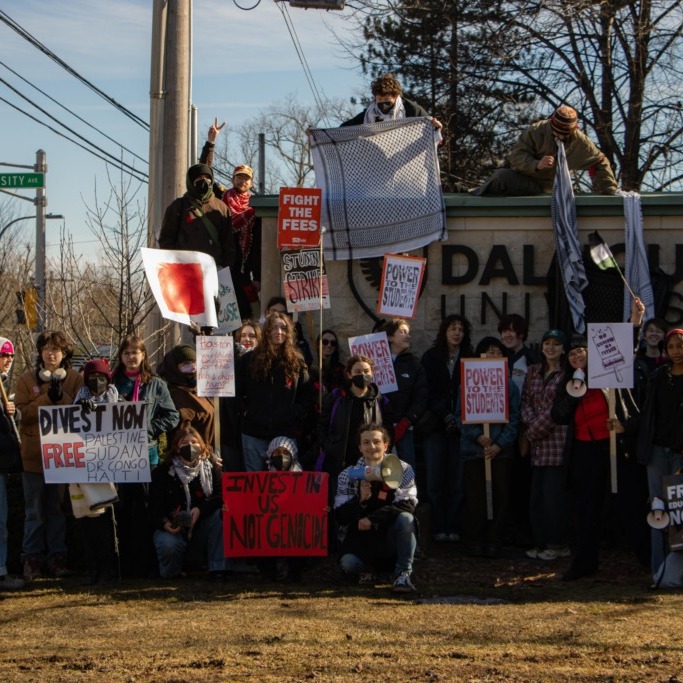
The March 15 to 21 strike saw a week of protests, teach-ins, and activities. A student union motion instructed students not to turn in assignments or attend class during the week.
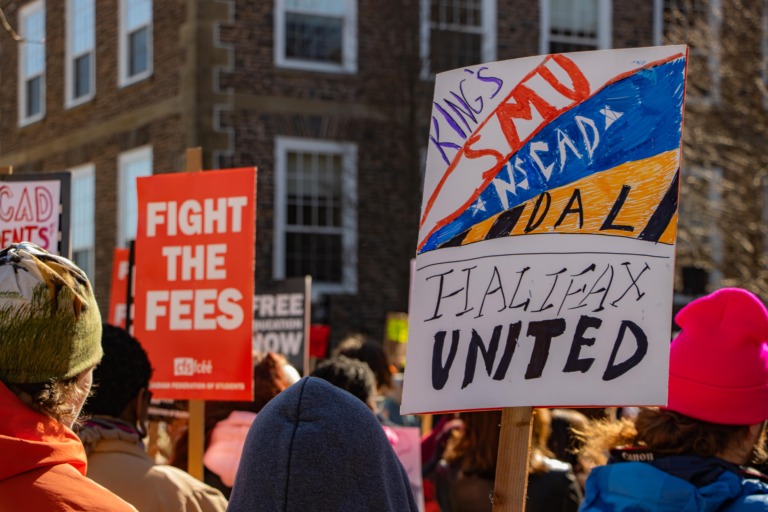
The goals of the strike were affordable tuition — including a 20 per cent tuition cut and the end of differential fees for international students — and divestment from entities invested in weapons manufacturing, fossil fuels production, genocide and the exploitation of sovereign Indigenous land.
Much of the strike’s programming was centred around Dalhousie, the province’s largest university, though it saw less strike turnout and participation than other striking institutions.
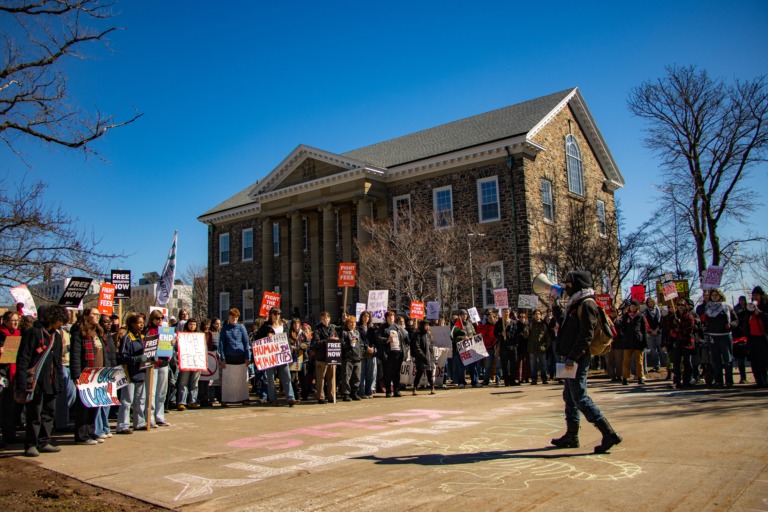
Dalhousie strike organizers planned for strikers to be picketing from Tuesday to Friday, but the only day picketing occurred was Wednesday, with just four to six pickets present at a time.
Malcolm Mealey, a Dalhousie student strike organizer, said many people showed their support despite a low number of picketers.
“You don’t need the most numbers to be the most effective [for picketing],” said Mealey. “We didn’t encounter anyone who was opposed to what we were doing. It was very successful in my mind.”
Other schools, including Acadia and NSCAD, had picketing throughout the week with consistently stronger turnout.
Community showed support for the strike
The Dalhousie Student Union passed its first-ever strike motion on March 12 with 64.2 per cent of votes in favour. Approximately one per cent of Dalhousie students voted on the motion.
Maren Mealey, DSU president and sibling of Malcolm Mealey, said that the voting results were a “clear showing” that Dalhousie students are politically engaged.
“It is really incredible to see students mobilize around issues that they care about,” she said. “I don’t take it lightly that students have voted in favour of something that comes at a great potential consequence and risk to them.”
The motion mandated that all Dalhousie students strike, though students were not forced to participate.
Related: DSU passes student strike motion with 64.2% in favour
Malcolm said that the vote showcases that students care about the NSSS movement and the values the organization fights for.
“Even if they don’t see it yet, I hope that this strike will show the students who disagree with the strike vote that it is an important tool that we can use to better our education and better our future generations,” they said.
The student unions of King’s, NSCAD and Acadia also passed strike motions. Schools also modified their specific strike motions.
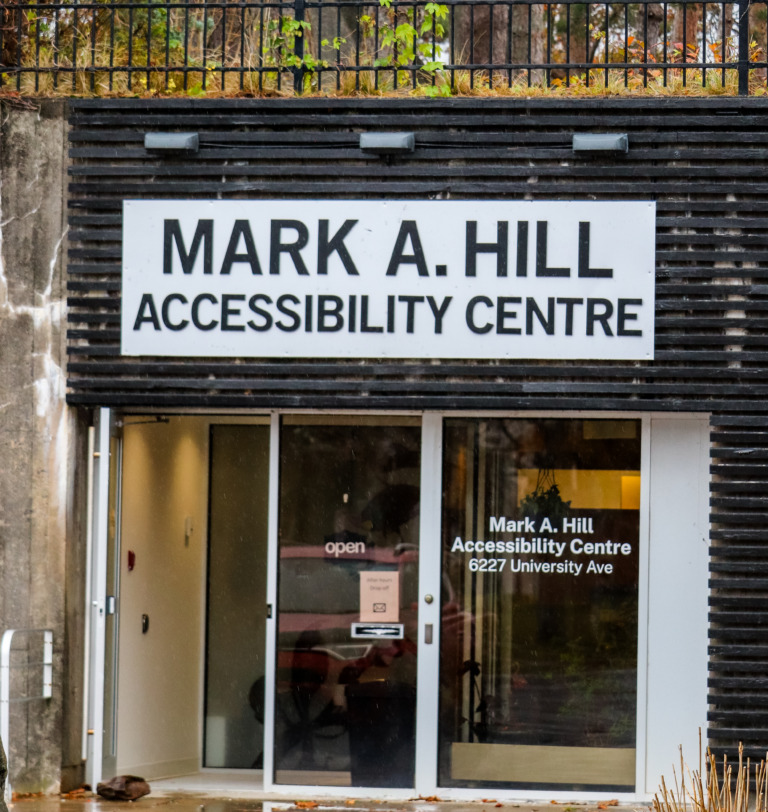
NSCAD added demands for increased accessibility, and Acadia removed demands for divestment, as their student union said they were separately working towards divestment. King’s students added support for their Foundation Year Program instructors, whose union is currently in a strike position, as a main strike goal.
MSVU’s student union formally exempted itself from a strike motion, citing risks to international students, among other concerns, but still supported strikers throughout the week. SMU does not have a student union that could mandate a strike, but its student association released resources to support strikers.
David Westwood, president of the Dalhousie Faculty Association, sent an email to union members on March 17 encouraging them to support striking students.
“I believe there is tremendous value in DFA members supporting the DSU in this strike,” said Westwood in the email. “It meant a great deal to me that so many students stood with us during the lockout when we needed all the support we could get.”
Strike support wasn’t unanimous
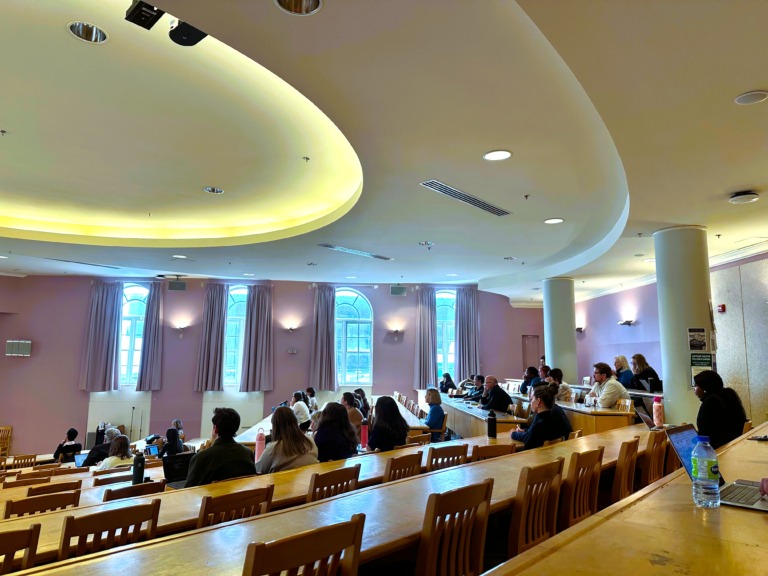
Protestors attempted to disrupt a class during a March 20 rally on Dalhousie’s Studley Campus, walking into a lecture hall in the Marion McCain Arts and Social Sciences Building. One protestor, holding a megaphone, said, “Dalhousie students, you are on a union-mandated strike. I implore you all to do an early dismissal of class.
“You’re all sitting here while our university invests in war crimes,” the protestor said.
“Shoo shoo,” said Serguei Iakovlev, the math professor teaching the class. “You cannot just come in without my consent.” The protestors left, and no students followed them.
“It’s their choice to strike, but it’s also my choice to go to my class,” Andre Deseau, a first-year engineering student in the interrupted class, told the Dalhousie Gazette after class ended. “I feel I should have the right to go to class uninterrupted, and today I felt that was very disrespected.”
The strike ended on March 21 with an open meeting for strike organizers to discuss the future of the strike. Organizers addressed shortcomings in turnout at Dal and communication troubles, while suggesting plans for clearer messaging and better coordination from NSSS.
Students also discussed taking riskier actions for future strikes, such as hard picketing and class disruptions.
“Whether it’s this year, next year, or the one after that, we’re going to get [our demands],” said Malcolm during the provincial rally on March 18.
NSSS’s plan to build towards a two-week strike next year and an indefinite strike in 2028 remains unchanged.
Strike organizers have discussed connecting this plan with other student strike movements, including national, Quebec, New Brunswick and Ontario movements. Student strike events are planned to continue through the summer, building on their strike efforts.
While NSSS didn’t accomplish its long-term goals with the strike, organizers said it was successful in the strike’s main goal — building the movement’s capacity and momentum for future strike efforts.
“For the first time in a long time, this week has made me actually feel hopeful for the future,” said Abogado. “We can work towards a better future … I have faith in our youth.”
With files from Jonas May and Dalhousie Gazette staff