Q&A with DSU vice-president academic and external candidate, Orpy Dey
The DSU general election’s voting period is from Feb. 10 to 11
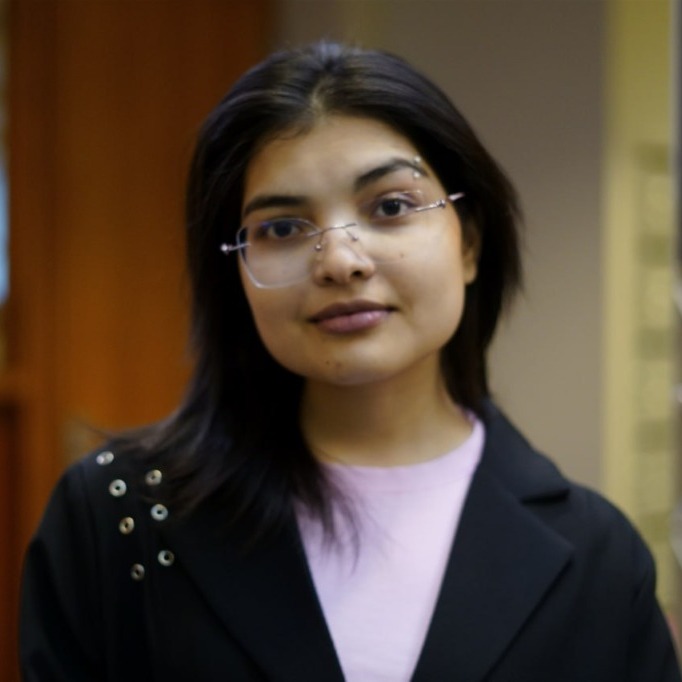
Orpy Dey is a third-year computer science student running in the Dalhousie Student Union’s general election for vice-president academic and external.
Dey is running uncontested for this position. She ran for president in last year’s by-election.
She is currently the creative director for the Dalhousie Bengali Student Association and the outreach director for the Dalhousie Palestinian Society.
This interview has been edited for clarity, grammar and length.
Why are you running for this position?
Being close to DSU for a long time, I have seen how they operate, how they monitor and how the accessibility of DSU is just so hard. Everything altogether made me feel like, coming from a marginalized background and being an international student, if I had some information regarding all the available programs, policies, budget cuts and everything, my first year [at Dalhousie] would have been easier.
What are the three most important things your campaign is based on?
My platform is built around four priorities: affordability, accessibility, transparency and academic flexibility. Affordability is recognizing that financial pressure shapes academic life. As VPAE, I would recognize that financial pressure is there, and I will advocate for more bursaries and more scholarships. Accessibility is treating access as a system responsibility. When you are asking for accessibility as a student, the system almost makes it feel like you’re begging for something that you are entitled to, but I want to change that aspect of accessibility. Transparency, so students know what happens to their concerns once they’re raised. When the DFA lockout happened, our executives did such an amazing job, but this transparency can be even better. I will make sure [students] know what I’m talking about. If they have any concerns, I’ll make sure they feel safe to come to me. Academic flexibility means ensuring fairness and consistency when students face hardship. I will make sure they have all the resources they need to study and thrive.
What’s the biggest issue currently facing students that you plan to address?
The VPAE has to make this [role] personal. You will be going to [the administration] and raising an issue, so you must be 100 per cent concerned for the students — you have to be willing to work outside of your office hours, going above and beyond. Even though we are not the decision-makers, I will make sure that the student tuition fee doesn’t go up. Housing prices are a big thing in Halifax. I’ll do everything I can to help the current VPAE’s housing project go further. My main concern would be funding, such as advocating for scholarships and emergency bursaries, because students are facing financial crises. When you are an international student, when you are coming from a marginalized background, you have a tight budget.
How are you going to ensure Dalhousie student voices are being heard and properly represented?
I will host town halls and general meetings every month or two. I will release a survey where students can voice their concerns. My primary goal is to make them feel safe; that’s why I have to go to them and talk to them. I will make those resources available when I am not.
What is the biggest challenge you anticipate facing in this role?
A lot of students don’t have any idea about what VPAE does, what the role is about. I feel like that lack of information and lack of transparency is the biggest challenge. I’ll make sure that this communication gap is mitigated, because the communication gap is too large, and students don’t know where they can go when they are in need of help.