Dalhousie is betraying its students and its principles
This gas drilling agreement contradicts everything the university taught me
Dalhousie University’s decision to partner with Nova Scotia to support the development of the province’s fossil fuel industry betrays everything the school has ever taught me.
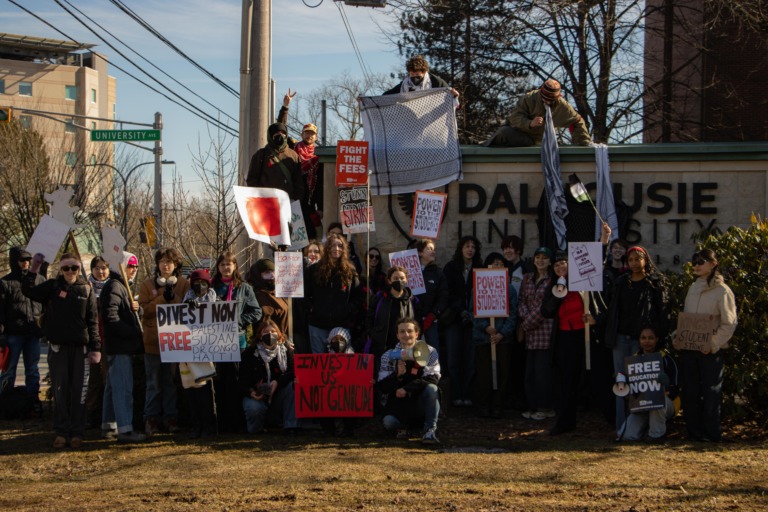
As a sustainability and economics student and organizer for Divest Dal, a community group advocating for the university to reallocate its unethical and unsustainable investments, this issue was already on my mind when the Department of Energy released the agreement on Feb. 5.
I was supposed to be reading for class and working on assignments, but it felt like the most important thing I could do for my education was read the agreement.
By the end of the contract, I just felt restless and even more confused. How can the institution that provides me with an education in sustainability execute a program that directly contributes to environmental degradation and global warming?
I also don’t understand why Dalhousie is signing this contract when only about $5 million of the $30 million is actually going into the institution. Over $24 million of public funds provided by the province will be used to incentivize gas companies involved in the project.
I don’t even need my economics degree to know this is bad business.
While this new agreement is incredibly frustrating, Dalhousie’s support of the fossil fuel industry isn’t new.
In 2014, a previous group of Divest Dal members wrote a report detailing why Dalhousie should divest from fossil fuels. In response, the university’s investment committee recommended against divestment in a report to the board of governors.
One of the committee’s reasons was that Dalhousie educates students in fields that could lead to jobs in the fossil fuel industry, such as geology and earth sciences. The university argued that divestment would send inconsistent messaging to students in these programs.
The university said the board should consider the following questions: “Should the university educate students to work in resource industries in which it would no longer invest?” and “Would doing so be consistent and ethical?”
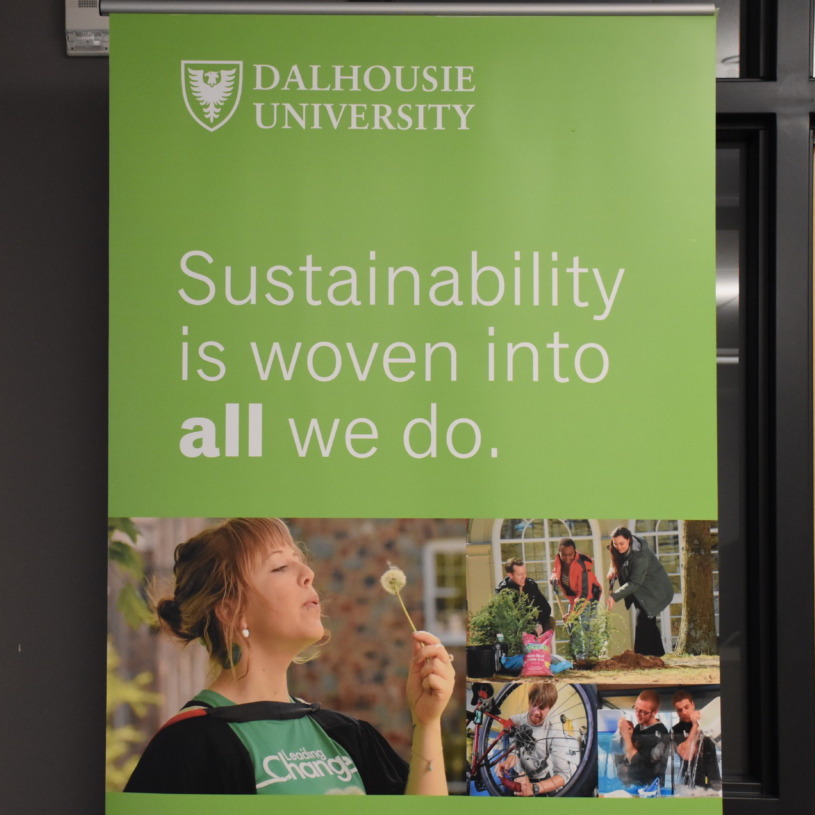
But Dalhousie proudly flaunts its commitment to sustainability on its website, and it’s actively training many students for careers in the sustainability industry as well. You can’t have your cake and eat it too, Dal.
Do we also have to remind Dalhousie that there’s no such thing as truly sustainable fossil fuel production? Such a “sustainable” university should know that carbon capture is a mythical technology that will not protect us from surpassing the atmospheric carbon limit we need to maintain to avoid the urgent climate deadlines scientists warn about.
If Dal is using these principles to evaluate their decisions, then I have a revised ethical question to consider: Is following through with this agreement consistent and ethical?
Obviously not. As an educational institution, it’s unethical to support the development of an industry its training students to find alternatives to. As a research institution, it’s unethical to support the development of an industry that’s rigorously proven to destroy the planet.
As I near the end of my degree, I find myself questioning every morning whether to do readings for my classes on environmental activism or write letters to my representatives and organize protests.
Dalhousie isn’t giving its environmental students many options.
We can either feel powerless and try to ignore that our school is helping develop the province’s natural gas industry, or we can take time away from our sustainability classes and try to convince the university not to put our futures at risk.
Dalhousie cannot continue to claim leadership in sustainability while actively undermining the future it teaches students to protect. This partnership forces students like me to choose between our education and our ethics — an impossible and deeply unfair position.
If the university believes in the principles it instills, it must align its actions with its teachings and stand on the side of a livable future.