Editorial opinion: Students need to ask for the pony, not the unicorn
The student strike’s poor organization sets students up to fail
This op-ed is a product of the Dalhousie Gazette’s editorial board, made up of the entire editorial team, debating a topic relevant to students until it comes to a consensus.
The upcoming Nova Scotia student strike risks doing more harm than good in the fight for tuition reductions and divestment. But the problem isn’t the intention — it’s the strategy behind it.
Student activism is important, but timing, purpose and organization are everything.
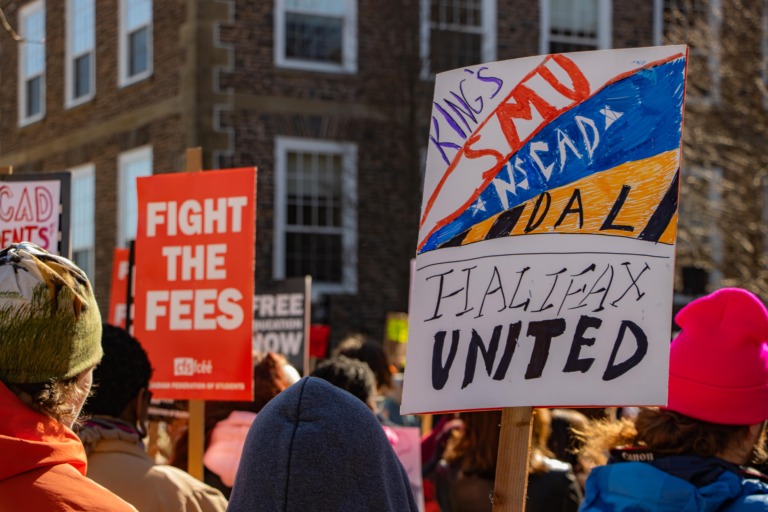
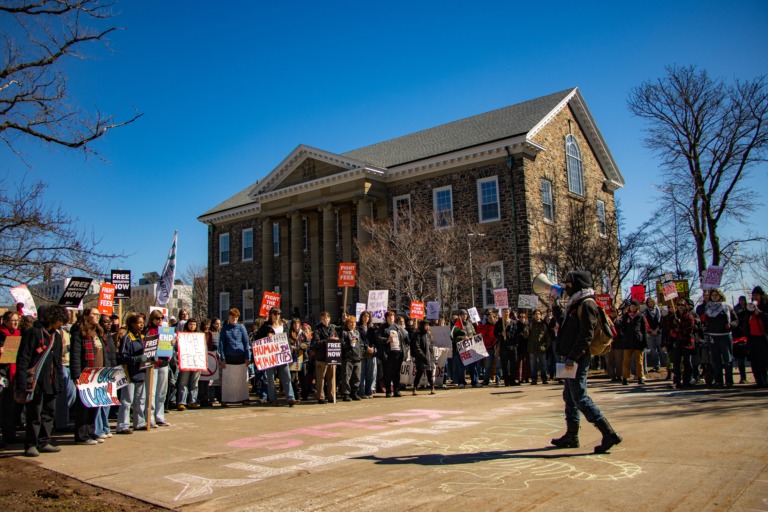
Dalhousie University students should show up to support calls for divestment and affordable tuition, but as it stands, it’s difficult to imagine students skipping class during exams for a strike that feels more like a Hail Mary than a real strategy for change.
This strike is likely to fall flat because it lacks a pursuit of attainable policy objectives, the kind that build credibility and momentum for student movements by showing an ability to secure tangible wins. Instead, student organizers are focusing their efforts on a 20 per cent tuition reduction and the elimination of international student differentials, both to be made possible by increased government funding — two things that aren’t happening after March 21.
Something we could’ve really gone after: tuition refunds for the three weeks of classes we missed. Something tangible. Something that’s an actual catalyst, with the power to prove our organizing capacity. That’s what the OSAP cuts are for Ontario. The refunds are something we can fight for here — and maybe win. Even if the goal was a tuition freeze for out-of-province students, let’s start there.
This strike isn’t going to work because we’re showing up to the bargaining table asking for a unicorn when we don’t even have a pony. Let’s start by securing the pony; if we do, maybe one day the unicorn won’t seem so out of reach.
The difference is that ponies exist, and getting one could be attainable with concentrated effort and stronger leadership. Not even the student strike organizers believe what they’re asking for is achievable, so why should students?
In a recent interview with the Gazette, Aaron Abogado, a Nova Scotia Student Strike organizer, said there’s “no belief that this will really [lead to] divestment or cheaper tuition.”
“It’s that it will build capacity, build the movement,” he said, adding that the organization hopes to utilize smaller strikes to lead into an indefinite strike in May 2028.
Then what are students skipping class right before exams for?
For one, student organizers are hurting their cause with the strike’s confounding timing; if they wanted a strike, it should’ve been at the beginning of the semester.
On top of that, who is this strike really hurting? Students have already paid tuition for the class period the strike is asking them to miss, which is all that university admin cares about. Dalhousie showed they couldn’t care less about students missing class time, when they forced us to miss three weeks of it at the start of the school year.
Students have no chips to bring to the bargaining table. University admin and provincial officials won’t be moved by students skipping a couple of lectures they’ve already paid for. Admin will probably be high-fiving that they’ll save a few bucks on the school’s water and hydro bills that week.
It would be easy to write off the strike’s horrible timing as a byproduct of last-minute planning, especially because most students are seemingly unaware that the strike is happening, but holding it in March has actually been in the works for months.
Our editor-in-chief started getting emails about the March 16-21 strike back in October. It’s a waste of effort to plan this so far in advance, but doom it to fail by placing it right before exam season, arguably the most crucial time of the year to be in class.
If organizers actually wanted to make an impact, they would’ve planned the strike for the start of January and organized a movement to withhold tuition payments until demands were met. That’s the only thing the university and province care about. Organizers clearly had the time to plan for January, considering they decided on the March strike date back in October.
Regardless, the student strike is championing important issues that students should stand behind. But if it hopes to achieve anything, it should focus on securing achievable wins first rather than mind-blowingly unrealistic ones.
By missing those smaller victories, coupled with questionable organizing choices, the strike risks making students look incapable of organizing, failing to build momentum for further action.