The case for separatism
The right to vote on separation is important, as crazy as it may seem
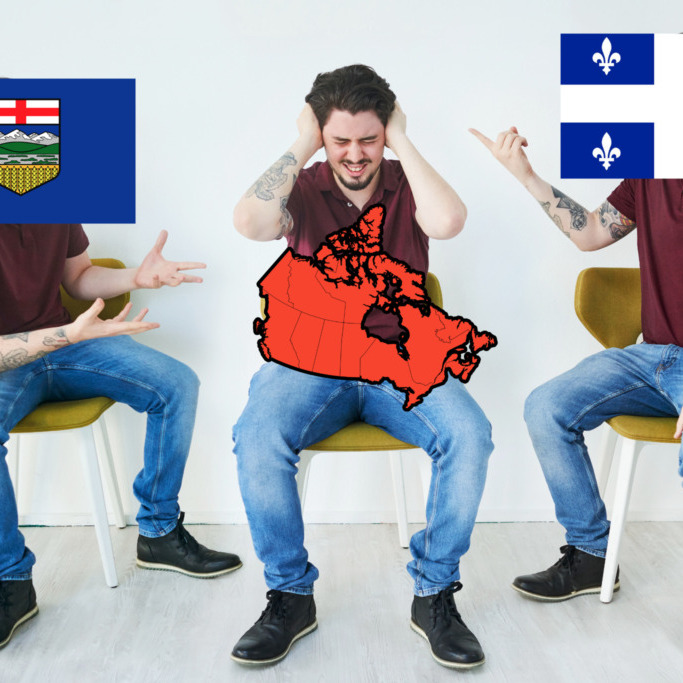
Separatism is in vogue. Several separatist organizations are gaining traction in Alberta, and the Parti Québécois is currently projected to win Quebec’s October election with a separation referendum among the party’s core policies.
These movements put two of the 10 provinces at risk of seceding, but the significance of both is largely overblown.
While the PQ is on track to be elected and push for a referendum, only 26 per cent of Quebecers polled in a recent Angus Reid Institute survey said they would, or are leaning towards, voting to separate if a referendum were held. Another Angus Reid survey found support in Alberta was similar, at 29 per cent, with most in that group saying they’re leaning toward separation rather than being definite in their choice.
Regardless, the question is back in the national consciousness: What does separatism mean for Canada, and is there room for it in our federation?
There absolutely should be.
Separatist movements are often derided as traitorous and un-Canadian. But criticism of specific movements often bleeds into antagonism for separatism as a concept, and that’s the real un-Canadian behaviour.
Provincial separatism is a protected legal process and a core part of what Canada is. We should be doing everything in our power to uphold it.
Everyone should have the right to self-determination. For provinces, that means self-governance, if that’s what its citizens want. If the majority of a province doesn’t want to be in Canada, they shouldn’t have to be. Letting them leave is better for everyone.
Our confederation is strongest when Canada is something provinces opt into, rather than something they’re forced into, and that only works when leaving is an option.
There’s already a legal outline for leaving. Following the 1995 Quebec referendum, where 50.58 per cent of Quebecers voted to stay, and 49.42 per cent to leave, the federal government passed the Clarity Act, outlining the process for provincial separation.
Ironically unspecific, the act requires Parliament to determine whether a separation vote demonstrates a “clear majority” after a qualitative evaluation, rather than relying on the 50 per cent threshold.
If that happens, the federal government, involving all other provinces and Indigenous groups, is obligated to negotiate with the separatist province. If negotiations are successful, that province can become independent with a constitutional amendment.
I don’t have to agree with separatist movement supporters, but my responsibility to uphold their right to pursue a secession referendum through democratic processes comes before any qualms I have with that decision.
I’ll argue for them to stay, but I’ll never try to stop them from voting how they please. People have a right to be stupid, and they have a right to vote to secede. As frustrating as it is when those overlap, both must be upheld.
There are still serious issues with separatism. The entire province of Alberta is on treaty land, protected by agreements made between the Crown and the Indigenous groups who inhabit it.
It’s not the Alberta government’s land to unilaterally declare sovereignty over, and guaranteeing the treaties are upheld must supersede — and may negate the chance of — an independent Alberta. This is why it’s crucial that the Clarity Act’s negotiation process mandates the involvement of Indigenous groups.
There’s also the treason problem. While exercising the right to push for separation is unequivocally not treasonous, making deals with foreign governments to destabilize Canada while still being a part of Canada is a different story.
Leaders of the Alberta separatist movement have reportedly held covert meetings with the Trump administration. Similarly, Quebec separatists have previously sought endorsement and support from France in their pursuit of independence.
The right to vote to leave the Canadian federation doesn’t include the right to sell out to other countries. That’s an inexcusable act from a province, regardless of whether it’s trying to be a sovereign country. But these are problems with the processes of separatism, not the concept itself.
Separation would also likely destroy the provinces pushing for it.
In an Angus Reid Institute survey, 74 per cent of Albertans who said they’d vote against secession also reported they’d leave the province if it left Canada. Quebec’s economy would likely be in trouble if the province left. Federal funding through equalization payments made up almost nine per cent of Quebec’s total revenue for the 2024-25 fiscal year.
The right to vote on separation means that the provinces that stay in Canada do so because they want to, not because they have to. A country held together by shared values and a shared desire to be Canadian is stronger than one held together by force.
I’ll fight for Alberta and Quebec to stay in Canada, but I’ll fight twice as hard to give them the opportunity to leave. That’s democracy.