
Nova Scotia Student Strike timeline
A recap of the Dalhousie Gazette’s daily coverage of the provincial movement
March 26, 2026 / Jonas May
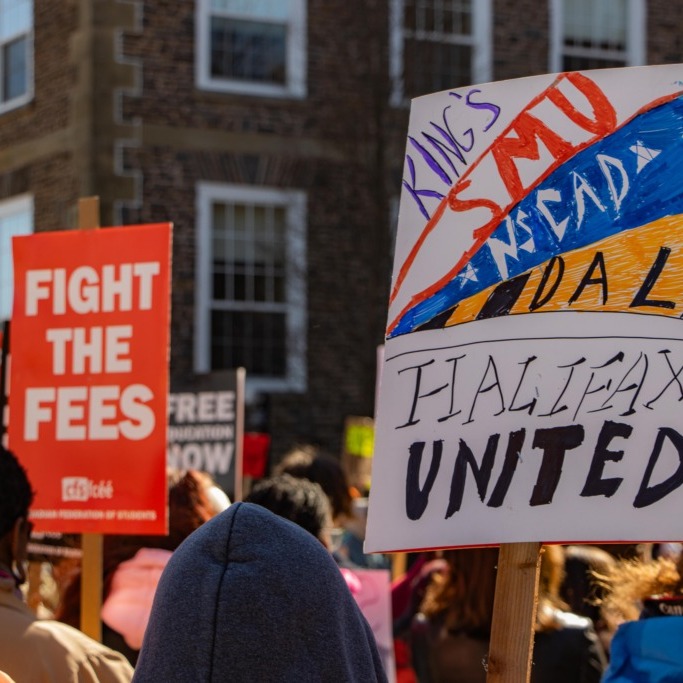
Students across Nova Scotia went on strike from March 15 to 21, demanding lower tuition rates and divestment from weapons manufacturers and fossil fuel companies.
Nova Scotia Student Strike (NSSS) organized the strike efforts, marking the first provincial student strike in Canada outside of Quebec. This week-long strike was the beginning of the advocacy organization’s three-year plan, building to an indefinite strike in 2028.
NSSS organizers conducted rallies, educational panels and soft picketing to convince students across the four participating universities not to attend classes during the week.
Dalhousie students voted in favour of a strike motion at a DSU special general meeting on March 12. The motion passed with 62.4 per cent in favour of the strike — 145 votes in support to 81 votes against.
The University of King’s College, Nova Scotia College of Art and Design and Acadia University student unions also participated in the strike, which asked students at participating universities not to attend classes or submit assignments over the strike week.
Saint Mary’s University, St. Francis Xavier University, Mount Saint Vincent University and Cape Breton University did not pass official strike mandates, but some SMU and MSVU students participated in the strike regardless.
Related: Live: Student Strike Updates
Day 1: Sunday, March 15
Over 150 protestors attended a rally outside the old Memorial Library on Spring Garden Road to kickstart the first day of the strike.
Students and other supporters of the movement marched through the streets of downtown Halifax to NSCAD’s Duke Street Campus.
Day 2: Monday, March 16
Students began picketing at NSCAD and SMU on the first school day of the strike. Students at Acadia in Wolfville, N.S., organized a sit-in outside of the university’s administration offices instead of picketing.
Dalhousie’s senate passed a limited academic amnesty motion encouraging instructors to provide students participating in the strike with academic protections from March 17 to 21.
The motion, which the DSU tabled, allowed students to request academic amnesty from their professors for one class or assessment per course. The final decision to grant amnesty was up to the instructors.
Picketing efforts at Dalhousie were delayed until the amnesty motion passed to ensure participants could be protected from academic penalties.
Day 3: Tuesday, March 17
The first day of picketing at Dalhousie was cancelled due to heavy wind and rain. Picketing at NSCAD was also cancelled.
David Westwood, president of the Dalhousie Faculty Association, sent an email encouraging union members to grant students academic amnesty for the duration of the strike. DFA members consist of 90 per cent of the university’s faculty members.
The King’s teachers’ association, consisting of six Foundation Year Program professors, also released a letter expressing its support for students participating in the strike.
NSSS organizers held a strike organizing panel in the Student Union Building. The panel was focused on building the national student strike movement and included organizers from Ontario and Nova Scotia.
Day 4: Wednesday, March 18
A provincial rally consisting of over 300 students from Dalhousie, King’s, NSCAD, SMU and MSVU was held in front of Dalhousie’s Henry Hicks Academic Building.
Dalhousie Gazette reporters went to Dalhousie President Kim Brooks’ office to request comment on the strike following the rally, but were told by office staff that she was out of the office for the week.
Dalhousie students began their picketing efforts in the morning. On-site Gazette reporters witnessed four to six picketers at a time throughout the day.
Around 75 Acadia students held their own rally at 12 p.m., marching the streets around campus.
Day 5: Thursday, March 19
Dalhousie students did not picket as scheduled on Thursday; Dalhousie NSSS organizers instead directed students to attend a rally at SMU.
The rally consisted of approximately 45 strikers and supporters. The strike ended with students marching and picketing on the sidewalks around SMU’s campus.
Day 6: Friday, March 20
Another rally was held at Dalhousie on Friday, with over 50 protestors marching from Robie Street to the Henry Hicks building.
Strikers disrupted an ongoing class in the Marion McCain Arts and Social Sciences Building on their way to the Hicks, attempting to convince students to leave the lecture hall and join the rally. No students joined.
Day 7: Saturday, March 21
The final rally of the week-long strike was cancelled due to heavy rain.
An open general meeting to discuss the future of the strike movement was held at Dalhousie, with students from Dalhousie, King’s, SMU and NSCAD in attendance.
Students suggested clearer messaging from NSSS, urging them to take riskier actions such as hard picketing and class disruptions.
NSSS’s plan to build towards a two-week strike next year and an indefinite strike in 2028 remains unchanged.
With files from Dylan Follett, Claire Kelly and Dalhousie Gazette staff

Other Posts in this category
Make-A-Wish partner society founded at Dalhousie

DSU rehires same security contractor for DalFest after alleged assaults last year, adds new safety measures

Tony turns Provincetown into Hollywood

Meta’s AI glasses are for perverts
MacLeod is out of tune with Nova Scotians