Making Space for the arts in Halifax
With arts budget cuts, Gareth Wasylynko’s documentary is more relevant than ever
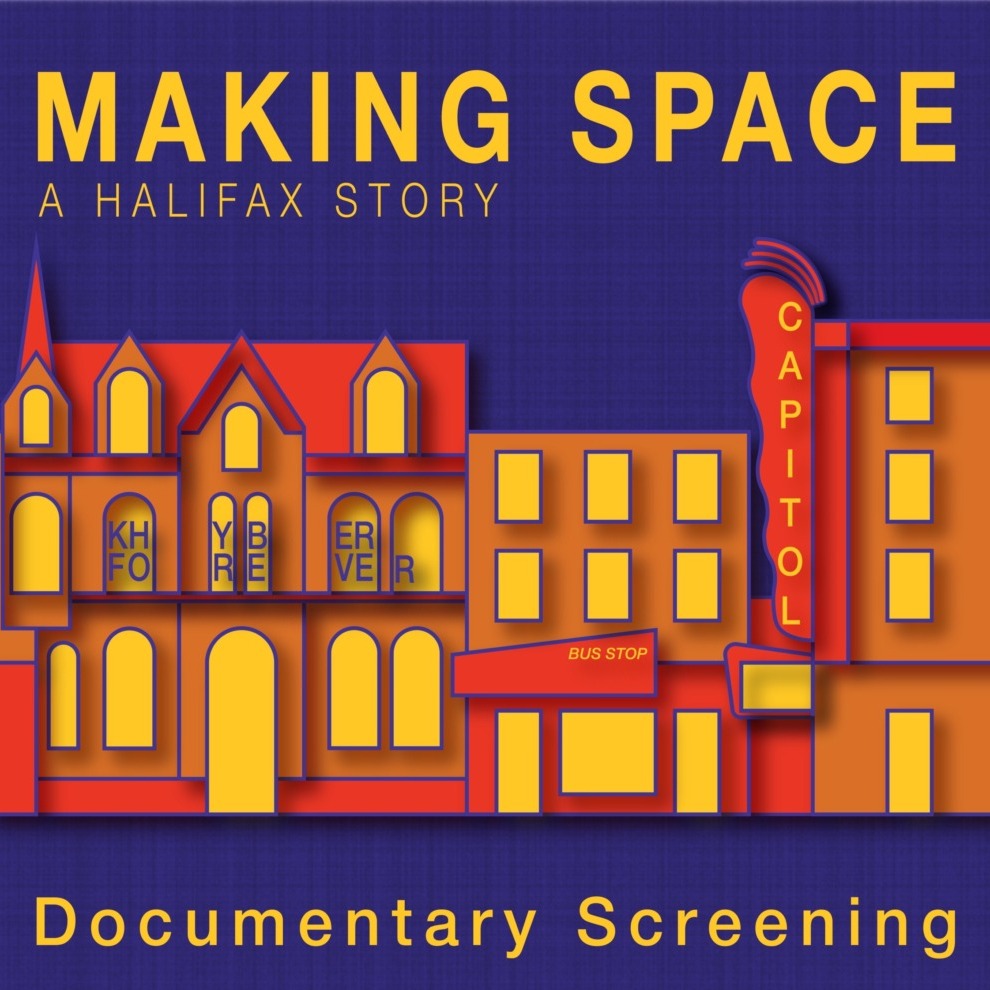
Gareth Wasylynko didn’t consider himself an artist until he made a documentary. After watching a presentation about the Bus Stop Theatre Co-operative buying their own theatre space, he decided to create Making Space: A Halifax Story.
Wasylynko’s documentary is about the future of the arts in Halifax, platforming the artists currently fighting to keep artistic spaces accessible despite financial roadblocks.
With the recent provincial budget cuts to arts and culture funding, Wasylynko says Making Space is more relevant than ever.
Related: ‘Have some guts, reverse the cuts:’ thousands gather to protest arts budget cuts
Wasylynko began filming interviews with Halifax artists in 2024. Working entirely on his own, he completed the whole production as a side project over almost three years.
The documentary aims to raise awareness of the city’s arts spaces, highlighting how it’s become increasingly difficult to own and manage them. As the city gets more expensive, artists are struggling to keep their spaces afloat.
“The budget cuts are just another blow to that [artistic] spirit, but I don’t see that spirit going anywhere,” Wasylynko says. “It just makes you wonder, if we already have the spirit … What would it look like if we actually had a reasonable amount of resources?”
Wasylynko documents how some artists have bought their own spaces, seeing firsthand the personal sacrifices they make.
“Any space you see existing, exists because there were people that put in untold hours of volunteer labour and sweat into making it happen,” he says. “Those are the heroes of the city.”
With reduced arts and culture funding in Nova Scotia, Wasylynko says artists will be forced to work harder while earning less.
“More people will have to sacrifice their unpaid labour to make [art] happen,” he says. “If we want things to continue, there will need to be more of that [sacrifice], which isn’t fair or sustainable to ask of individuals.”
After talking with members of Halifax’s arts community, Wasylynko noticed a recurring pattern. In the 1970s, people protested the closing of the Capitol Theatre; today, they rally against cuts to arts and culture budgets.
“It worried me that we hadn’t learned from previous examples.”
After five screenings at different venues around the city, Wasylynko plans to make the documentary available online to reach a wider audience.
“The truth is, I’ve changed it after every screening,” he says. “There has to be a point where you just say, ‘I’m not changing this anymore.’”
He found that piecing the interviews together into a cohesive narrative was the most difficult part.
“That’s just a classic challenge of documentary filmmaking,” he says. “But I wouldn’t classify it as the same challenge the art spaces face. It’s just creating something challenging, but also fun.”
Wasylynko is already working on a new documentary and is excited to collaborate with more people. Making Space taught him lessons he’s eager to apply to the new project.
“I’m excited to work with other people and take the next step with my filmmaking,” he says. “My approach to future projects will be, ‘You do most of the work before you start filming.’”